Table of content
There are three main ways to replace a single missing tooth: a dental implant, a dental bridge, or a partial denture (removable “flipper”). An implant is the longest-lasting and most natural option because it replaces the root and doesn’t touch the neighbouring teeth; a bridge is faster and cheaper upfront; a partial denture is the cheapest short-term fix. This guide compares all three — cost, how long they last, pros and cons — so you can choose the right one for your tooth and budget.
Single Tooth Replacement Options Compared
Here’s the quick side-by-side before we look at each option in detail:
| Dental implant | Bridge | Partial denture / flipper | |
|---|---|---|---|
| How long it lasts | 15–25 years, often a lifetime¹ | ~10–15 years | ~5–7 years |
| Neighbouring teeth | Left untouched | Filed down to hold the bridge | Not altered |
| Jawbone | Preserved² | Bone under the gap still shrinks | Bone still shrinks |
| Feel & stability | Like a natural tooth (fixed) | Fixed, stable | Removable, can move |
| Treatment time | 3–6 months (with healing) | A few weeks | Fastest |
| Relative cost | Highest upfront, best value long-term | Mid | Lowest |
Short version: for a single tooth in a healthy mouth, an implant is usually the best long-term investment. A bridge or denture makes sense when cost, speed or bone rule an implant out.
Option 1: Single Tooth Implant
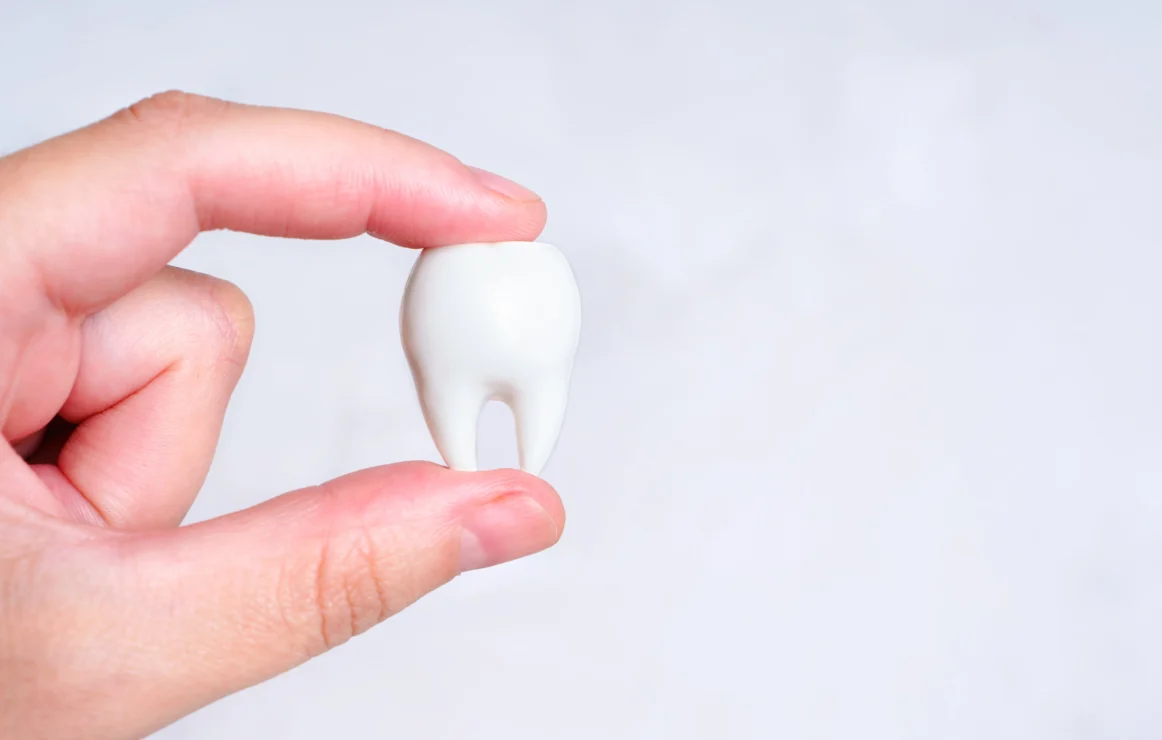
A single tooth implant is a titanium (or zirconia) post placed into the jawbone as an artificial root, topped with a custom crown. It’s the only option that replaces the root, which is why it preserves bone and doesn’t rely on the teeth around it.
- Pros: longest-lasting, most natural look and feel, protects the jawbone, leaves neighbouring teeth untouched.
- Cons: highest upfront cost, needs minor surgery and a few months of healing, requires enough bone (a small bone graft can fix this).
It’s the go-to choice for a single gap, including at the front — see front teeth implants for the aesthetic detail, and the recovery timeline for what healing involves.
Option 2: Dental Bridge
A dental bridge replaces the missing tooth with a false tooth held by crowns on the two neighbouring teeth. It’s fixed and looks natural, and it’s quicker than an implant.
- Pros: faster (a few weeks), lower upfront cost than an implant, no surgery, fixed in place.
- Cons: the two healthy teeth either side must be filed down; the bone under the gap keeps shrinking; typically lasts 10–15 years.
A bridge is a solid choice when the neighbouring teeth already need crowns anyway, or when an implant isn’t possible.
Option 3: Partial Denture (Flipper)
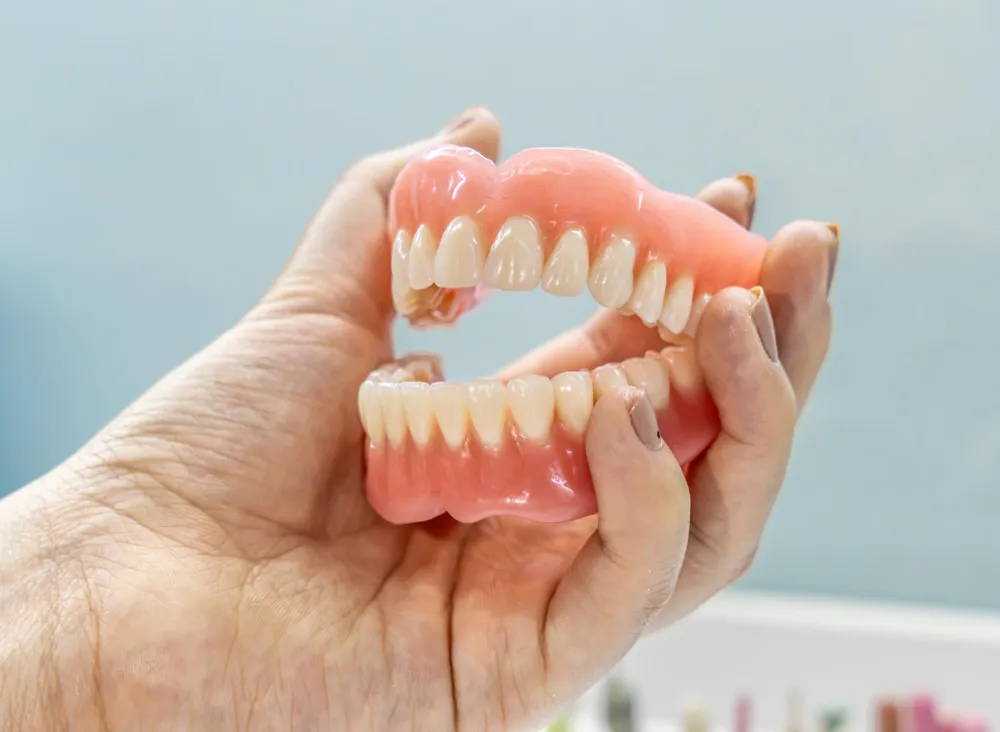
A partial denture — often a small “flipper” for one tooth — is a removable false tooth on a gum-coloured base. It’s the cheapest and fastest way to fill a gap.
- Pros: lowest cost, no surgery, ready quickly, often used as a temporary tooth while an implant heals.
- Cons: removable and less stable, can feel bulky, doesn’t stop bone loss, needs replacing every few years.
It’s best as a short-term or budget solution, or a temporary while you plan something permanent. If you’re weighing removable vs fixed teeth more broadly, see dentures vs implants.
Which Single Tooth Replacement Is Best for You?
Three questions usually decide it:
- Long-term or short-term? Want a permanent, once-and-done tooth — implant. Need something cheap and fast now — bridge or denture.
- Are the neighbouring teeth healthy? If yes, an implant avoids damaging them. If they already need crowns, a bridge can make sense.
- How much bone do you have? Enough bone favours an implant; very limited bone (without grafting) may point to a bridge or denture.
Whichever you choose, replacing the tooth reasonably soon matters: once a tooth is gone the jawbone starts to shrink and the neighbouring teeth can drift into the gap.²
How Much Does It Cost to Replace One Tooth?
Cost is often the deciding factor, and it’s the main reason many patients have single-tooth work done in Turkey — typically up to around 70% less than US or UK private prices, using the same premium implant brands. As a guide:
| Option (one tooth) | US / UK private (guide) | Turkey (guide) |
|---|---|---|
| Implant + crown | $3,000–$5,000 / £2,000–£3,000 | from ~$400–$700 |
| Bridge | $1,500–$3,000 / £500–£1,000+ | from ~$200–$500 |
| Partial denture / flipper | $500–$1,800 / £300–£600 | from ~$150–$300 |
The exact figure depends on the material, the crown, and whether a bone graft is needed. For the full breakdown, see our guide to dental implant costs in Turkey.
Prices are guide ranges only and vary by case; ask for a written, itemised quote before you travel.
What Happens If You Don’t Replace a Missing Tooth?
Leaving a gap isn’t harmless. Over time the jawbone in that spot resorbs (shrinks),² the teeth either side can tilt into the gap, and the opposing tooth can over-erupt — which changes your bite and makes later treatment more complicated. Replacing the tooth keeps the surrounding teeth and bite stable, which is why dentists usually recommend not waiting too long.
Frequently asked questions
What is the best way to replace a single missing tooth?
How much does it cost to replace one tooth?
Implant or bridge for one tooth – which is better?
Can you replace a single front tooth?
How long does it take to replace one tooth with an implant?
What happens if I don't replace a missing tooth?
Not sure which option is right for your missing tooth? Send DentSpa a photo and we’ll give you an honest recommendation and an exact quote — at a European award-winning clinic in Istanbul that has treated 50,000+ international patients. Book a free consultation or message us on WhatsApp — no obligation.
Sources
- Dental implant survival in studies with ≥10-year follow-up (~90–95%) — PubMed — https://pubmed.ncbi.nlm.nih.gov/25467739/
- Residual ridge resorption after tooth loss (bone shrinks in the gap) — PubMed — https://pubmed.ncbi.nlm.nih.gov/23697296/
- NHS — Guy’s and St Thomas’ NHS Foundation Trust: Dental implants — https://www.guysandstthomas.nhs.uk/health-information/dental-implants
- American Dental Association — MouthHealthy: Implants — https://www.mouthhealthy.org/all-topics-a-z/implants













 70%
70%