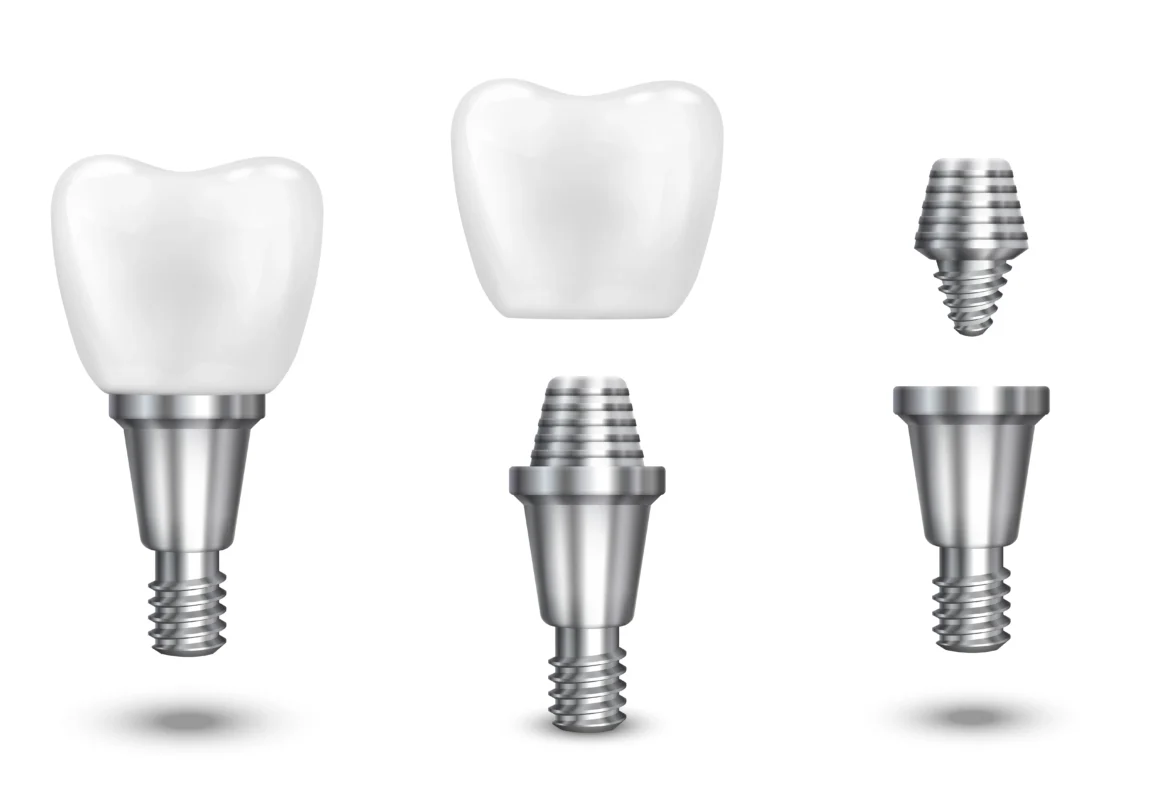
No — getting a dental implant is far less painful than most people fear. The surgery itself is done under local anaesthetic, so the area is completely numb and you feel only pressure, not pain. Afterwards there is some mild, temporary soreness for a few days, easily controlled with ordinary over-the-counter painkillers. In fact, most patients report the experience is easier than they expected — often no worse than having a tooth extracted. Here is an honest look at how much implants hurt during and after surgery, how long it lasts, and how the discomfort is kept to a minimum.
Do Dental Implants Hurt During the Surgery?
During the procedure itself, you should not feel pain. The dentist first numbs the area with local anaesthesia, exactly as for a filling or a tooth extraction, so while the implant is placed you may feel pressure or slight vibration, but not pain.1 Placing a single implant usually takes under an hour, and many patients are surprised by how straightforward it feels.
If you are anxious or having several implants placed at once, sedation can be added so you feel relaxed and barely aware of the procedure. Either way, you will not be lying there feeling the surgery — the goal is for the placement to be completely comfortable.
What About Pain After the Implant?
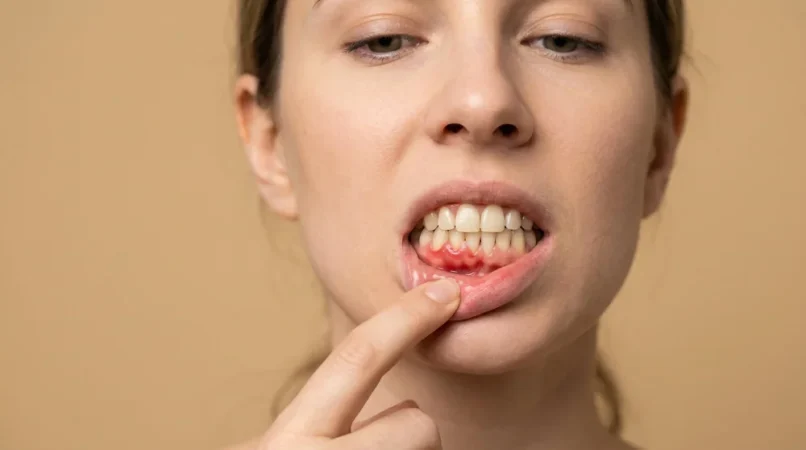
Once the anaesthetic wears off a few hours later, it is normal to feel some mild, temporary discomfort — much like after a tooth extraction. The most common after-effects are:
- Mild soreness or tenderness around the implant site
- Some swelling and occasional bruising of the gum or cheek
- A little bleeding on the first day
This is usually well controlled with over-the-counter pain medication such as ibuprofen or paracetamol, along with an ice pack, rest and soft foods for a day or two. For most people it is an inconvenience rather than real pain. For the full healing routine, see our guide on how to speed up healing after dental surgery.
How Long Do Dental Implants Hurt?
For most patients the discomfort is short-lived. Studies that measured pain after implant surgery found it tends to peak in the first 24 hours and then fade, largely settling by around 72 hours.2 In day-to-day terms:
- Day of surgery: numb from anaesthetic, then mild soreness as it wears off
- Days 1–3: mild soreness and swelling, at their peak, managed with painkillers
- Days 3–7: discomfort eases noticeably; most people are back to normal
- Following weeks: the implant quietly fuses with the bone (osseointegration) — a process you do not feel
Occasionally a little tenderness when chewing can linger for a week or so, but ongoing sharp or worsening pain is not expected and should be checked.
Do Dental Implants Hurt Forever?
No. Once it has healed, an implant should feel just like a natural tooth and should not hurt at all. Pain that returns or persists after healing is not normal — it can be a sign of infection, gum inflammation around the implant (peri-implantitis), or rarely nerve irritation causing numbness or tingling.3 If that happens, it usually responds well to early treatment, so see your dentist rather than waiting. You can read the warning signs in our guide to dental implant failure, and what determines how long an implant lasts in our guide to dental implant lifespan.
How Is Implant Pain Kept to a Minimum?
A comfortable implant experience is mostly down to good planning and technique. The main things that keep pain low are:
- Local anaesthesia (and sedation if needed) so the placement is painless
- 3D (CBCT) planning that maps the bone and nerves, so surgery is precise and avoids the nerve
- Gentle, well-planned surgery, which means less trauma and less soreness afterwards
- Simple over-the-counter painkillers, ice and soft foods for the first few days
- Antibiotics only if your dentist judges they are needed, plus clear aftercare instructions
Because careful planning also lowers the small risks involved, it is worth understanding the wider picture — see our honest guide on whether dental implants are safe. Whether the implant goes in at the same appointment as an extraction or after the socket has healed also affects what the first few days feel like, and that decision is explained in immediate vs delayed implant placement.
Does Full-Mouth or Bone-Graft Surgery Hurt More?
Bigger procedures involve a little more after-surgery soreness, simply because more work is done — but they are still managed in the same way and are not something to fear. Full-arch treatments such as All-on-4 implants, or cases that need a bone graft or sinus lift, may mean slightly more swelling for a few extra days. With proper anaesthesia, sedation where helpful, and good aftercare, most patients still describe the recovery as very manageable. If a graft is part of your plan, the stages are mapped out in our implant timeline with a bone graft.
Comfortable Implant Treatment at DentSpa
At DentSpa in Istanbul, keeping you comfortable is part of the plan, not an afterthought. Every case is mapped from a 3D scan to place implants precisely and avoid the nerves, with local anaesthesia, sedation options for anxious patients, and clear aftercare so you know exactly what to expect.
Experience matters here more than reassurance does, so here is something you can check rather than take on trust: Straumann publishes and verifies on its own website the number of its implants placed at DentSpa over a full year — more than a thousand. See the Straumann Achievement Award and the verification page itself.4
DentSpa was also named best dental clinic in Europe in the odontology category at the European Awards in Medicine,5 and holds the Certification for Excellence in Medical Travel Patient Experience from Global Healthcare Accreditation6 — which matters for implants specifically, because it assesses the aftercare handover that continues once you have flown home. More than 50,000 international patients have been treated here, and you can read what they say in the verified Trustpilot and Google reviews.
Book a free consultation to ask any questions about comfort, pain and what your treatment would involve, or message us on WhatsApp. If cost is your next question, it is set out separately in our guide to dental implant prices in Istanbul.
Frequently asked questions
Do dental implants hurt during surgery?
How long do dental implants hurt after surgery?
Are dental implants more painful than a tooth extraction?
Do dental implants hurt forever?
How is dental implant pain managed?
Is full-mouth or All-on-4 implant surgery more painful?
What should I do if the pain gets worse instead of better?
Sources
- Mayo Clinic — Dental implant surgery (local anaesthesia, what to expect, mild discomfort)
- Investigation and analysis of pain after dental implantation (pain peaks ~24 h, largely resolved by ~72 h), 2021
- Sensory Changes Related to Dental Implant Placement: A Scoping Review (nerve-related numbness/tingling is uncommon and reduced by careful planning), 2023
- Straumann — Certificate verification: DentSpa
- The European Awards in Medicine — DentSpa Clinic — European Award in Medicine in Odontology
- Global Healthcare Accreditation — DentSpa Strengthens Global Trust in Turkey’s Dental Services with GHA Certification














 70%
70%