Table of content
Table of content
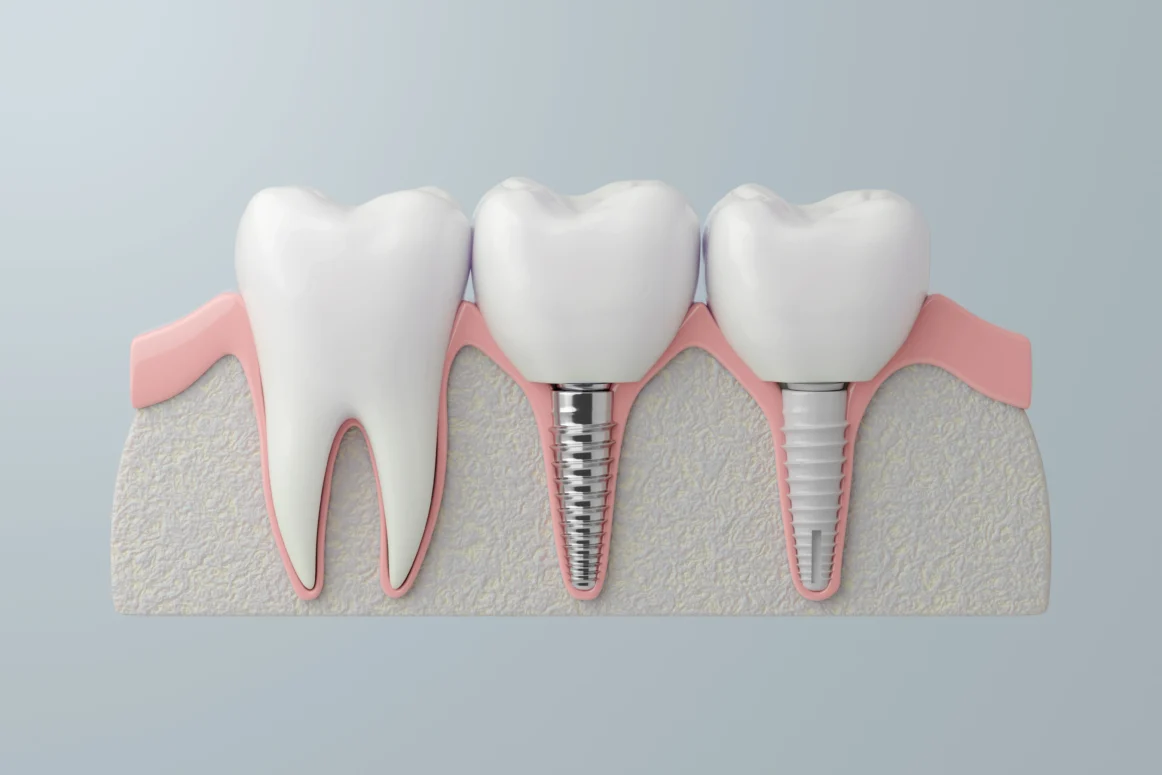
Dental implant recovery is usually far easier than patients expect. The gum heals in about 1–2 weeks, while the implant bonds to the bone (osseointegration) over 3–6 months before the final crown goes on.¹ Most people are back to normal daily life within a couple of days, with mild swelling and soreness that simple pain relief and a soft diet handle well.
If you’re planning treatment, knowing what the healing actually looks like removes most of the anxiety. Below is the realistic timeline, what you’ll feel at each stage, what to eat, the aftercare that decides whether your implant lasts for decades, and exactly when to call your dentist — straight from how we manage recovery for patients at DentSpa.
How Long Is Dental Implant Recovery?
There are two timelines, and people often confuse them:
- Feeling back to normal: most patients return to work and routine within 1–3 days, once the initial swelling settles.¹
- Full healing (osseointegration): the implant needs 3–6 months to fuse firmly with the jawbone before the permanent crown is fitted.¹ For some people it’s quicker; for others, especially after a bone graft, a little longer.
So the surgery itself is a short event. The recovery that matters is the quiet bone-healing underneath, which happens with no pain at all. If you want to understand how that fits into the whole journey, see the step-by-step dental implant procedure — recovery is the stage right after placement.
Dental Implant Recovery Timeline (Stage by Stage)
Days 1–3 — initial healing. Expect mild swelling, minor bleeding and some soreness around the site. This is the peak; it improves daily.¹
Week 1–2 — soft-tissue healing. The gum closes and settles. Most discomfort is gone by the end of this window, and you can usually eat more normally.¹
Weeks 2–6 — early integration. The bone begins bonding to the implant. You feel nothing, but this is the most important phase — protect the area and keep it clean.¹
Months 3–6 — osseointegration completes. The implant becomes a stable anchor. Once your dentist confirms it has fully integrated, the final crown is fitted.¹
If your case needed extra bone first, the timeline shifts — here’s how a bone graft changes the implant timeline so you know what to expect before you travel.
How Painful Is Dental Implant Recovery?
Honestly, less than most people fear. Implant surgery is done under local anaesthesia (or sedation), so you feel nothing during the procedure. Afterwards, discomfort is usually described as milder than a tooth extraction and is well controlled with over-the-counter painkillers for a few days. Sharp or worsening pain after the first week isn’t normal — if you’d like to know the difference between normal healing and a problem, read the warning signs of dental implant failure so you know exactly when to call your dentist.
What to Eat After Dental Implant Surgery
Food is where patients have the most questions. The rule is simple: soft and cool at first, then build back up.
- First 24–48 hours: cool, soft foods that need no chewing — yoghurt, smoothies (no straw), mashed potato, lukewarm soup, scrambled eggs, blended or pureed meals.
- Days 3–7: soft foods you barely chew — pasta, flaked fish, porridge, well-cooked vegetables, ripe banana, soft cheese. Chew on the opposite side to the implant.
- Weeks 2–4: gradually reintroduce firmer foods as comfort allows, while still keeping hard, crunchy items away from the surgical site.
- Avoid: hot, spicy, crunchy (nuts, crisps), sticky (toffee) and very chewy foods (like steak), small seeds or grains that can lodge in the site, alcohol, and using a straw (the suction can disturb the clot) until your dentist clears you.
A few practical tips make a real difference: eat small, frequent meals; choose protein-rich soft foods to support healing; stay well hydrated; and rinse gently after eating once your dentist says it’s safe. Eating gently isn’t just comfort — it’s one of the easiest things in your control that actually speeds healing.
Aftercare That Protects Your Implant
Recovery isn’t just waiting — a few habits decide how well the implant settles and how long it lasts:
- Keep it clean: gentle brushing and the rinses your dentist recommends keep the area free of infection.
- Don’t smoke: smoking is one of the biggest risks to healing — studies show implants fail more than twice as often in smokers as in non-smokers,² so pausing (ideally stopping) around the procedure makes a real difference.
- Rest at first: avoid strenuous exercise for a few days to limit swelling and bleeding.
- Keep your follow-ups: these checks confirm the implant is integrating and let your dentist catch any issue early.
For patients treated at DentSpa, these checks and remote support are built into the plan, so your aftercare continues clearly once you’re home — see how our after-treatment care and follow-up works.
When to Call Your Dentist (Warning Signs)
Most recovery is uneventful, but knowing the difference between normal healing and a warning sign keeps you safe.
- Normal (first few days): mild swelling, light bruising, minor oozing, and soreness that eases a little each day.¹
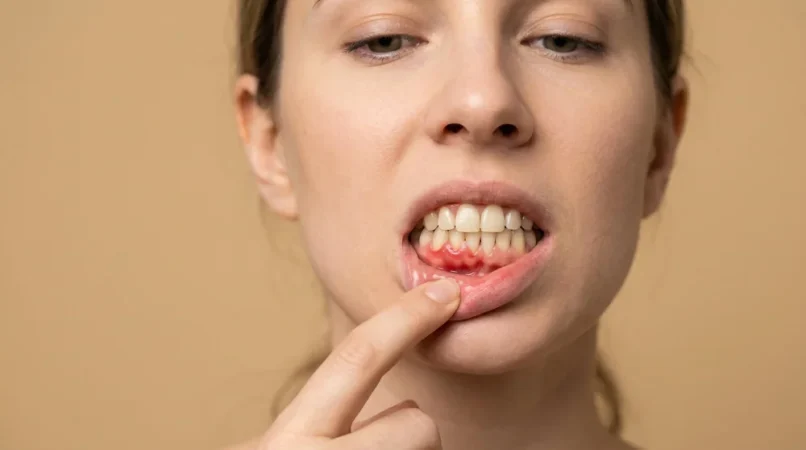
- Call your dentist if: pain gets worse after day 3–5 instead of better, bleeding is heavy or won’t stop, swelling spreads, you notice pus or a bad taste (signs of infection), you develop a fever, the implant or temporary feels loose, or numbness doesn’t fade.
Caught early, almost all of these are simple to manage. If you’re unsure whether what you’re feeling is normal, it’s always better to ask than to wait — the warning signs of implant failure explains what to look for.
What the NHS and Dental Bodies Recommend
Wherever you have your implants placed, the recovery advice from the leading authorities is consistent — which is reassuring, and worth knowing:
- NHS: implant surgery is usually a day case under local anaesthetic; the implant then heals in the bone for about three to six months, and keeping your review appointments matters.³
- Association of Dental Implantology (ADI, UK): long-term success depends on good implant hygiene and regular follow-up and hygienist visits, so osseointegration is monitored and any peri-implant problem is caught early. Patients should also know the warning signs.⁴
- American Dental Association (ADA): a diet of soft foods, cold foods and warm (not hot) soup is advised during healing, with annual recall visits to check and maintain the implant.⁵
In short: a soft diet early on, meticulous cleaning, no smoking, and keeping your check-ups — the same principles we build into every DentSpa recovery plan.
Frequently asked questions
How long until I can go back to work after a dental implant?
When can I eat normally again?
Does recovery take longer with a bone graft or All-on-4?
Is some swelling and bleeding normal?
How can I speed up dental implant recovery?
I had my implants abroad and I'm worried about healing. What should I do?
Planning implants, recovering after treatment, or had your implants done elsewhere and something doesn’t feel right? You don’t have to guess. DentSpa plans every case from a 3D scan, with experienced specialists and a dedicated after-care team, at the European award-winning clinic that has treated 50,000+ international patients. Book a free consultation or message us on WhatsApp and we’ll look at your case — no obligation.
Sources
- Dental implant osseointegration & healing timeline (3–6 months) — NCBI / PMC — https://www.ncbi.nlm.nih.gov/pmc/articles/PMC11794915/
- Smoking and Dental Implants: A Systematic Review and Meta-Analysis (smokers fail >2× as often) — PMC — https://pmc.ncbi.nlm.nih.gov/articles/PMC8780868/
- NHS — Guy’s and St Thomas’ NHS Foundation Trust: Dental implants (procedure, healing, timeline) — https://www.guysandstthomas.nhs.uk/health-information/dental-implants
- Association of Dental Implantology (ADI) — After Care — https://www.adi.org.uk/resources/after_care/
- American Dental Association — MouthHealthy: Implants — https://www.mouthhealthy.org/all-topics-a-z/implants














 70%
70%