Planning dental treatment abroad involves more than the clinical procedure. For international patients travelling from the US, UK or the Gulf, the practical question that lingers longest is usually the simplest one: how do I actually get around?
This guide answers it — from the moment you land to your daily transfers between hotel and clinic, and back to the airport at the end. Nothing exotic, just the logistics, so you can stop thinking about them.
Arrival: From the Airport to Your Hotel
Istanbul has two international airports — Istanbul Airport (IST) on the European side and Sabiha Gökçen (SAW) on the Asian side. Which one you fly into affects your transfer time, so it’s worth checking before you book flights rather than after.
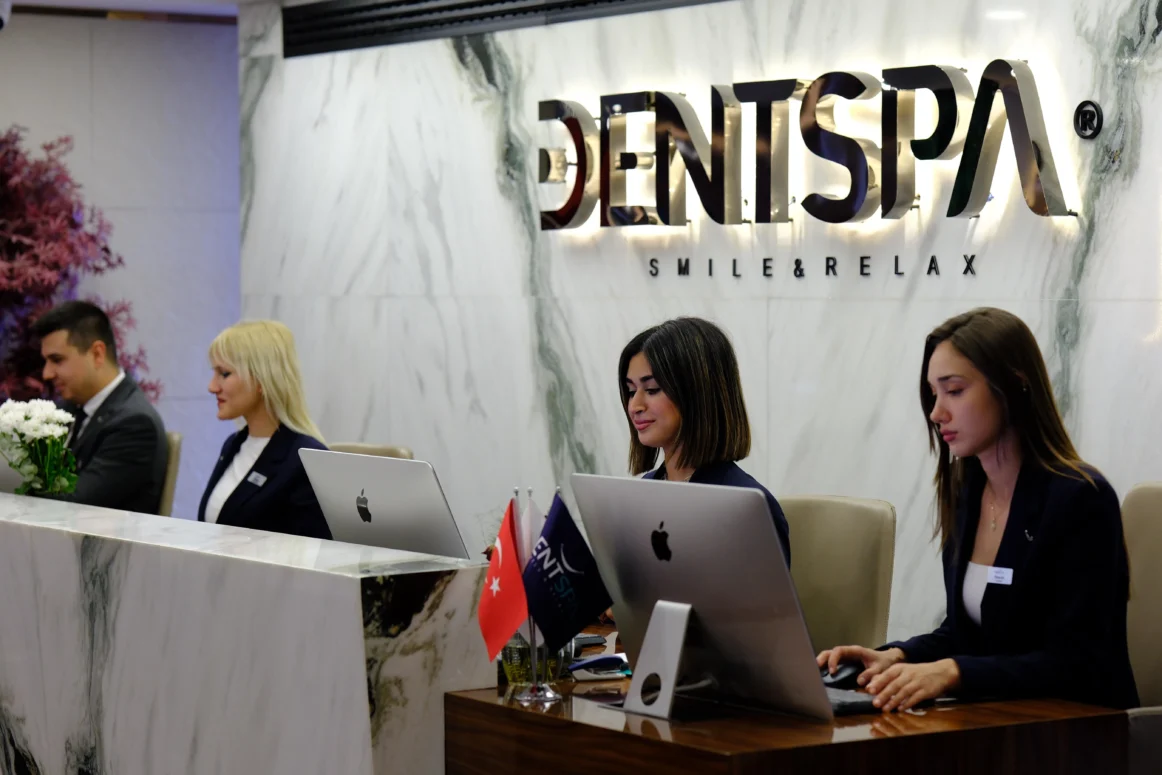
Either way, you don’t need to work out the route. A driver meets you on arrival and takes you to your hotel — no queueing for a taxi with a mouth that’s about to be worked on, and no negotiating a fare in a language you don’t speak. By the time you land, your hotel, appointments and transfers are already scheduled against each other.
Airport transfers and clinic transport are included in the treatment package for international patients. What else is included, and how the whole stay is organised, is on the international guests page and in comfort and care.
Why Transport Is Part of the Treatment Plan
Transport sounds like a convenience. For dental treatment it’s closer to clinical logistics, for three reasons:
- Appointments overrun, and that’s normal. A sinus lift or a full-arch case doesn’t run to the minute. When transport is arranged by the clinic, the driver already knows — you’re not standing outside trying to rebook a ride after surgery.
- You won’t feel like walking afterwards. After implant surgery or bone grafting, there’s often numbness, some swelling and a fair amount of tiredness. Working out the metro is genuinely the last thing you want, and lying down sooner is better for the healing anyway.
- Fewer trips beats faster trips. Because diagnostics and the laboratory are on site, restorations don’t get sent away and come back days later. That removes journeys from your schedule rather than just shortening them.
Getting Around Istanbul on Your Own Time
Istanbul is a modern city with good public transport, and on your free days you should use it. The clinic is in Şişli-Fulya, which sits on the metro line and puts Taksim, Beyoğlu and the historic peninsula within a short ride — the Bosphorus, Hagia Sophia and the Grand Bazaar are all easy afternoons between appointments.
A few practical notes:
- Get an İstanbulkart at any metro station. It’s the city’s official travel card and covers metro, tram, bus and the ferries — far simpler than buying single tickets.1
- Know your line. The Metro İstanbul network runs to over 400 km, and the M2 line covers the Şişli–Mecidiyeköy stretch where the clinic sits. If you fly into Sabiha Gökçen, the M4 connects the airport directly to the Asian side.2
- Traffic is the variable, not distance. Journeys that look short on a map can take far longer at peak hours — which is exactly why treatment-day transfers are scheduled rather than hailed.
- The ferries are the nicest way to cross between the European and Asian sides, and the same İstanbulkart pays for them.
The simple rule: use the city’s transport for sightseeing, and the arranged transfers for anything treatment-related. That way arriving on time is never your problem, and neither is getting back afterwards.
Departure
On your last day you’re collected from your hotel and taken to the airport, timed around your flight. Before you go, make sure you have your written aftercare instructions, any prescribed medication for the journey, and the clinic’s WhatsApp contact saved — the aftercare team stays reachable once you’re home, and your treatment records can be shared with your local dentist. That side of it is covered on the after-treatment page.
If you’ve had surgery, follow the specific advice you were given about how soon it’s safe to fly — it depends on the procedure. Our guide to post-graft care covers what to do on the journey home.
How the Rest of the Journey Is Organised
More than 50,000 international patients from over 50 countries have been treated at DentSpa since 2018, and the logistics are built around that rather than bolted on.
- One coordinator, start to finish. The same person handles your scheduling, transfers and hotel arrangements from the first consultation through to your flight home — in English, French, Arabic, German, Spanish, Russian, Italian or Turkish.
- Transport scheduled against the clinical plan. For staged treatment — All-on-4, full-mouth work, or anything involving a graft — the transfer schedule follows the surgery schedule, not a fixed timetable. The implant timeline with a bone graft explains how those visits are structured.
- Support that doesn’t stop at the car door. Multilingual medical advisors are available throughout your stay, and the aftercare team continues once you’re home.
If you’re still weighing up the trip itself, our guides to dental tourism in Turkey and how to find a dentist in Turkey cover the parts that come before the travel — and what patients made of the experience is in the verified Trustpilot and Google reviews.
The reason transfers are treated as part of the clinical plan rather than a perk is that this is precisely what medical-travel accreditation looks at. DentSpa holds the Certification for Excellence in Medical Travel Patient Experience from Global Healthcare Accreditation, which assesses the parts of treatment abroad a clinical inspection doesn’t reach — information before you travel, care coordination and the handover of aftercare.3 The clinic is also licensed by the Turkish Ministry of Health, certified to ISO 9001 and ISO 10002, a member of the Turkish Dental Association, and was named best dental clinic in Europe in the odontology category at the European Awards in Medicine.
Plan your trip
Send your photos and any existing X-rays and you’ll get a treatment plan back — timeline, approximate cost, and how many days you’d need in Istanbul — before you book anything.
Frequently asked questions
Are airport transfers included in dental treatment packages in Turkey?
Which Istanbul airport should I fly into?
Do I need to arrange my own transport between the hotel and the clinic?
Can I get around Istanbul on my own between appointments?
Will I be able to travel back to the hotel on my own after surgery?
Is there language support during transfers and appointments?
How is transport handled if my treatment needs two visits?
Sources
- 1. İstanbulkart — the official travel card for Istanbul public transport.
- 2. Metro İstanbul — official rail network operator (İstanbul Büyükşehir Belediyesi), for line coverage and timetables. See also Istanbul Airport and Sabiha Gökçen International Airport.
- 3. Global Healthcare Accreditation — DentSpa Strengthens Global Trust in Turkey’s Dental Services with GHA Certification, 16 July 2026.









 70%
70%