Table of content
Table of content
Turkey has become one of the world’s leading destinations for international dental care. The clinics that consistently deliver good outcomes share a clear set of qualities — proper regulation, a specialist-based clinical team, diagnostic-led planning, and logistics built for international patients. The useful thing about that list is that every item on it is something you can check for yourself before you book.
This guide walks through each of them, and how DentSpa delivers them — from your first consultation to your flight home. We’ve treated more than 50,000 international patients from over 50 countries since 2018.
Why patients come to Turkey in the first place
Cost is the honest starting point. A full set of implants in the UK typically runs somewhere around £25,000 to £35,000 — a figure that puts the treatment out of reach for a lot of the people who need it most. In Istanbul, comparable implant work generally falls between £4,000 and £12,000. Both of those are approximate market ranges rather than quotes; your own figure depends on your findings and is confirmed in writing after a consultation.
Travelling abroad for treatment is no longer unusual. The Office for National Statistics publishes estimates of how many Great Britain residents travel overseas for medical treatment, drawn from the International Passenger Survey — official statistics still in development, but the direction is not in dispute.1
The materials used here come from the same international manufacturers supplying clinics in London, Manchester, New York and Los Angeles. Direct flights from major UK airports take roughly four hours.
And beyond the treatment, Istanbul itself is part of it. Patients usually take time to see the city — the Bosphorus, Hagia Sophia, the Grand Bazaar, the rooftop restaurants in Beyoğlu. Most go home with photos that have nothing to do with their teeth.
Credentials and licensing — what to check, and ours
This is the part to verify first, because it’s the part you can verify. DentSpa is licensed and regulated by:
- Ministry of Health (Türkiye) — the primary regulator for all clinical practice in Turkey.
- Turkish Dental Association (TDB) — the professional body for dentists.
- International Health Tourism Authorisation Certificate — required by Turkish law for any clinic treating foreign patients.
- ISO 9001 and ISO 10002 — international standards for quality management and for how patient feedback and complaints are handled.
- Global Healthcare Accreditation — DentSpa holds the Certification for Excellence in Medical Travel Patient Experience, which assesses the parts of treatment abroad a clinical inspection doesn’t reach: information before you travel, care coordination, financial transparency and the handover of aftercare.2
DentSpa was also named best dental clinic in Europe in the odontology category at the European Awards in Medicine, assessed on technology, outcomes in complex cases and patient experience.
One more that’s specific to implants, and unusual because the number doesn’t come from us: Straumann publishes a certificate-verification page recording the implants a clinic placed over a full year. You can look ours up in seconds — see the Straumann Achievement Award and how to verify it yourself.
How a specialist team handles your treatment
Complex treatment moves through several disciplines, and the outcome improves when each stage sits with someone who does that stage regularly. At DentSpa your case is assigned by stage:
- Oral and maxillofacial surgeons handle implant placement, extractions, sinus lifts and bone grafting.
- Prosthodontists design and fit your crowns, veneers and final restorations.
- Periodontists manage gum and bone health — which is what determines how long implants last.
- Endodontists handle root canals when a natural tooth can be saved.
Before you arrive you’ll know who is performing each part. The handovers between specialists happen inside the same clinic, on shared records and digital scans, which keeps the treatment moving to schedule — the thing that matters most when your time in the city is finite.
Built for international patients from the start
DentSpa opened in 2018 built around international patients — that was the premise, not something added later. The coordination team handles airport transfers and hotel logistics for every patient, and the medical advisors speak English, French, Arabic, Spanish, Russian, Italian, German and Turkish.
You’re assigned a dedicated coordinator from your first consultation onwards. They schedule your appointments, arrange transport, handle hotel logistics and stay in contact during your stay. Once you fly home the aftercare team takes over — reachable on WhatsApp, and able to share your treatment records with your local dentist for ongoing care. How the whole process works is set out on the international guests page, and what to expect once treatment is finished is on the after-treatment page.
The diagnostics behind your treatment
Every treatment plan starts with a complete diagnostic workup, not a quote from photos.
- 3D CBCT imaging for full-jaw assessment, implant planning and surgical mapping — this is what shows bone volume, sinus anatomy and nerve position, none of which can be judged from a photograph.
- Digital impressions instead of traditional moulds.
- An in-house laboratory, so restorations are produced on site rather than sent away — shorter turnaround, which matters when your stay is measured in days.
- Digital Smile Design as standard for cosmetic work, giving you a visual preview of the result before any treatment begins.
For someone who’s flown from London or Manchester, seeing the intended result before any tooth is touched isn’t a minor detail. It’s the moment to say if it isn’t what you pictured — while changing it still costs nothing.
What to expect at DentSpa
Your treatment plan is diagnostic-led. We don’t issue final implant plans from photos sent over WhatsApp. Your CBCT scan, bite analysis and gum assessment come first, then the plan. The remote consultation gives you an initial outline; the final plan is confirmed in person once the diagnostics are done.
Your quote is itemised and includes everything. Consultation, scans, materials, follow-up and any adjustments needed during your stay. You won’t arrive in Istanbul to find the price has moved or extras have appeared.
There’s no pressure to commit quickly. Patients book when they’re ready. Coordinators answer your questions, explain what the treatment would involve, and leave the decision with you.
Your aftercare is structured before you leave. Your records are shared with your local dentist if you want them to be, implant work carries a guarantee whose terms are written into your treatment plan, and the aftercare team stays reachable once you’re home.
The questions patients ask before booking
These come up most often, so here are the answers directly.
Who specifically will perform my treatment? You’re assigned to a named specialist before arrival, based on your case — an oral and maxillofacial surgeon for implant work, a prosthodontist for veneers, smile design or full restoration. Their profiles are below and on the doctors page, with education, specialisation and published research on each.
What materials will you use? CE-marked materials from international manufacturers — the same ones supplying clinics in the UK and US. The specific brand depends on the procedure, and the exact materials are named in your treatment plan so any dentist can read your case later.
What does the price include? Consultation, diagnostic scans, materials, all chair time, follow-up appointments during your stay, and the post-treatment guarantee. Airport transfers and clinic transport are part of the international patient package.
What guarantee comes with the work? Implants carry a guarantee; crowns and veneers are guaranteed for the standard warranty period of the specific material used. The full terms are written into your treatment plan before you commit.
What happens if something feels off after I’m home? You reach the aftercare team directly on WhatsApp. Most concerns are handled remotely; if anything needs in-person attention, your records go to your local dentist immediately.
Your stay in Istanbul
How long you’re here depends on the procedure, and the clinical work itself takes only a portion of it. The rest is yours.
Our partner hotels are a short distance from the Şişli-Fulya clinic. Şişli is well connected by metro to Taksim, Beyoğlu and the historic peninsula, so most of the places you’d want to see are a short ride away. Patients regularly fit in a Bosphorus cruise, the Grand Bazaar, or a meal in Karaköy between appointments.
For more involved cases — implants, full-mouth rehabilitation — we suggest keeping a spare day after treatment finishes, for any final adjustments and checks before you fly. Airport pickup at Istanbul Airport or Sabiha Gökçen and clinic transport throughout your stay are included; details are on the comfort and care page, and the clinic itself is on our facilities.
Why patients choose DentSpa
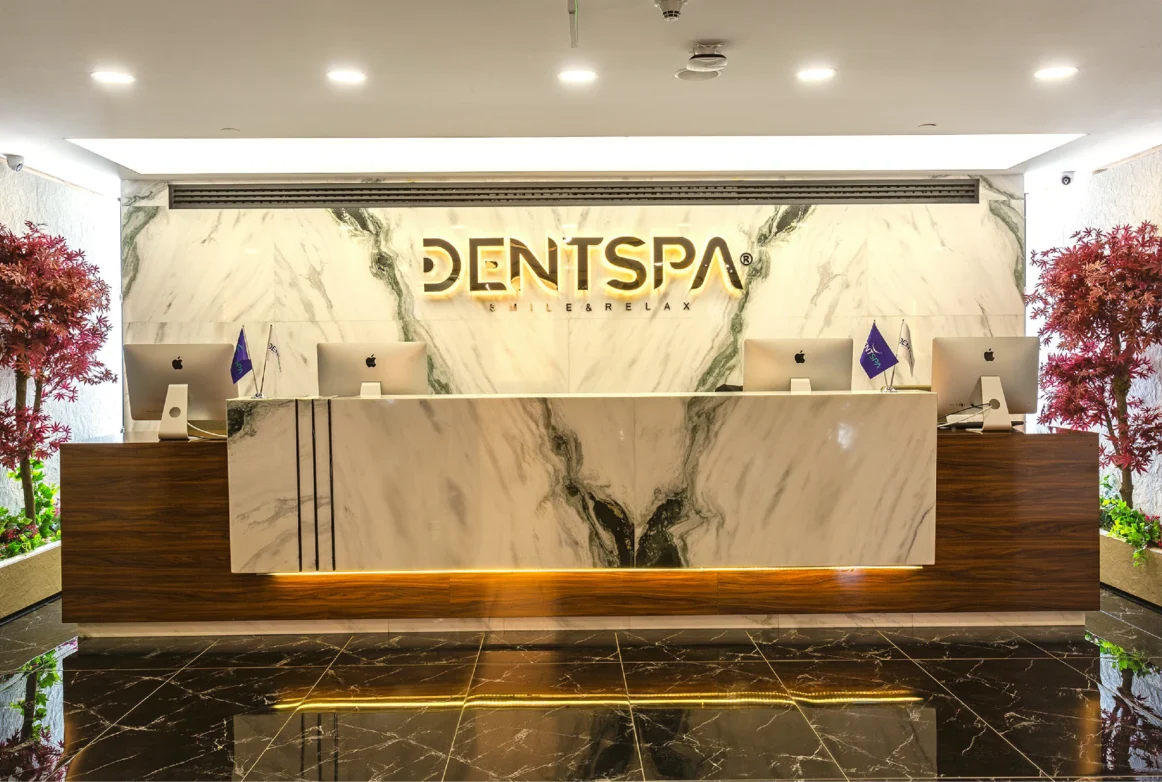
DentSpa opened in 2018 as a Turkish dental clinic built for international patients. Since then more than 50,000 guests from over 50 countries have been treated at the Şişli-Fulya clinic in Istanbul.
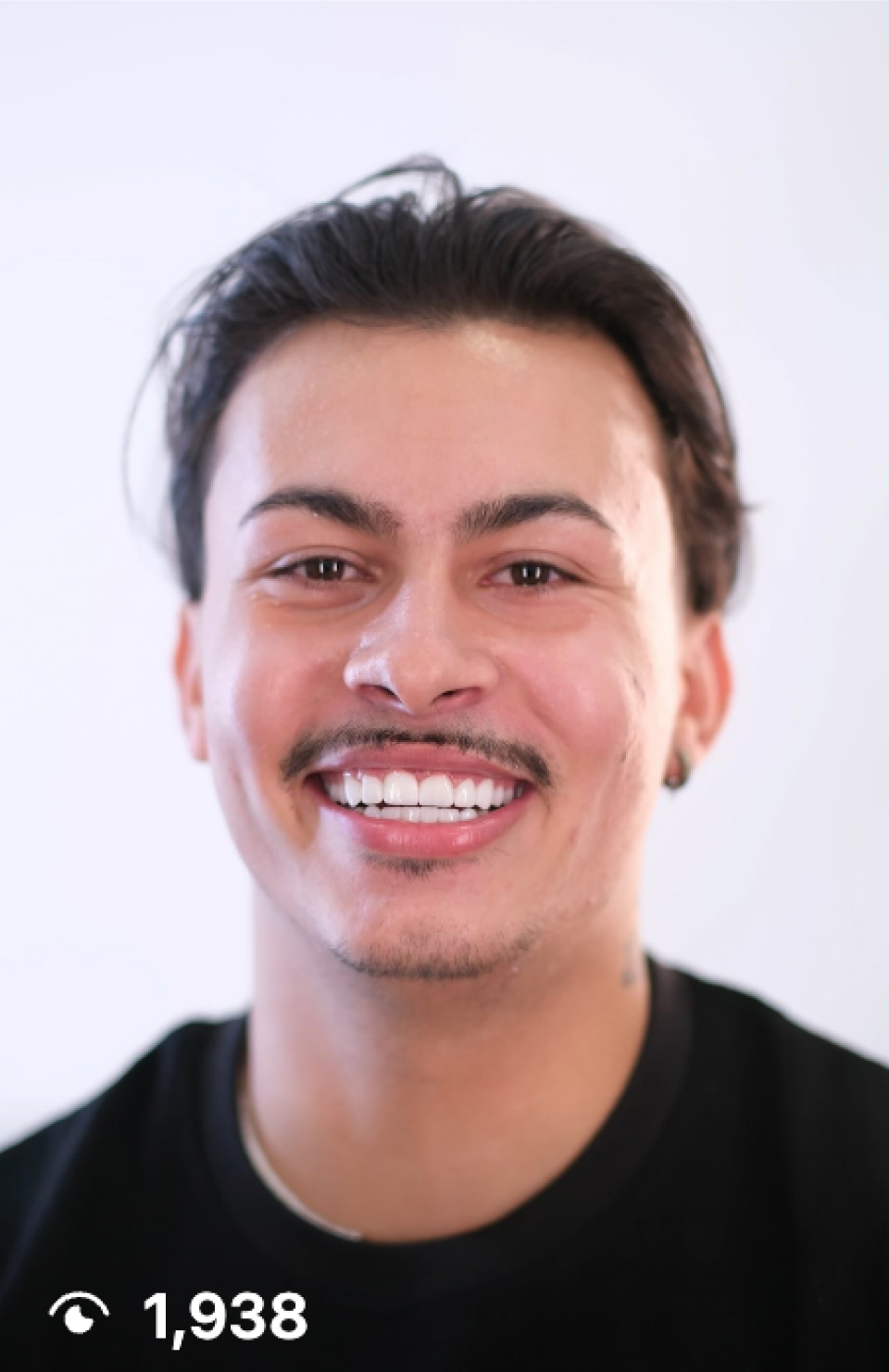
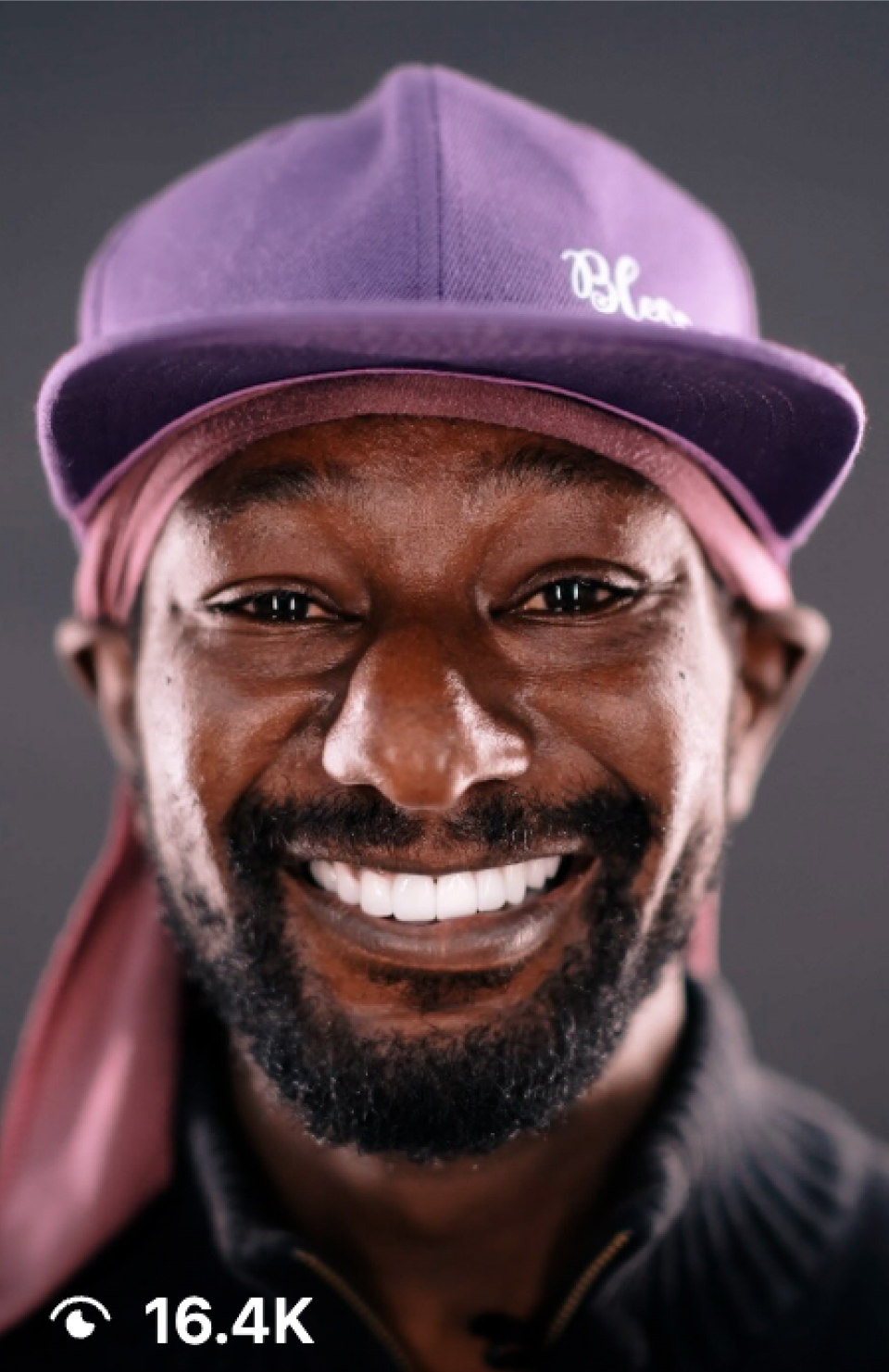
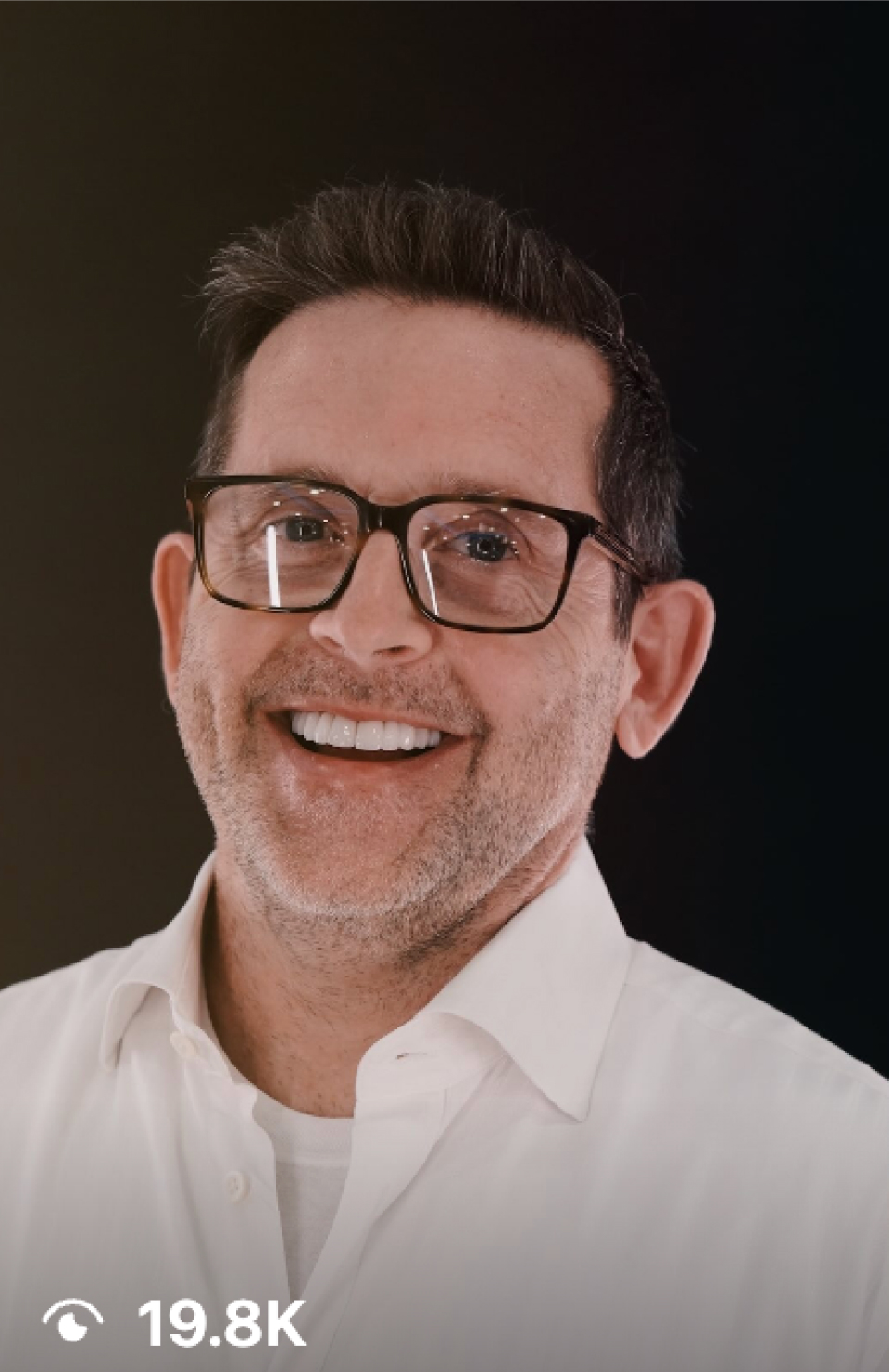
What patients say afterwards is more useful than anything we could write here, and it’s all in the verified Trustpilot and Google reviews — each one linked back to where it was posted, so you can check it yourself. The same themes recur: clear communication before arrival, structured logistics on the ground, and aftercare that doesn’t disappear once you’ve flown home. Real cases are in the Smile Gallery.
If you’re weighing the trip alongside the treatment, our guide to dental tourism packages in Turkey covers how the two fit together.
Meet the team behind your treatment
The specialist model only works if the specialists are good — so here is a snapshot of the clinicians who handle the bulk of complex international cases. The full team is larger, with specialists across every department, and each profile carries their complete record.
Dr. Serdar Yılmaz — Oral & Maxillofacial Surgeon
15 years of experience. PhD in Oral and Maxillofacial Surgery from Marmara University. Handles complex implant cases, bone grafting, sinus lifts and orthognathic surgery. Published in the International Journal of Oral and Maxillofacial Surgery and the Journal of Cranio-Maxillofacial Surgery. Member of the International Association of Oral and Maxillofacial Surgeons (IAOMS). Full profile.
Dr. Madina Gulverdiyeva — Prosthodontic Specialist

16 years of experience. PhD in Prosthodontics from Gazi University. Focuses on full-arch implant prosthetics, aesthetic restorations and All-on-4 and All-on-6 cases, which make up a significant share of the international workload. Member of the International Team for Implantology (ITI). Speaks Turkish, English, Russian and Azerbaijani. Full profile.
Dr. Şükran Baycan — Oral & Maxillofacial Surgeon
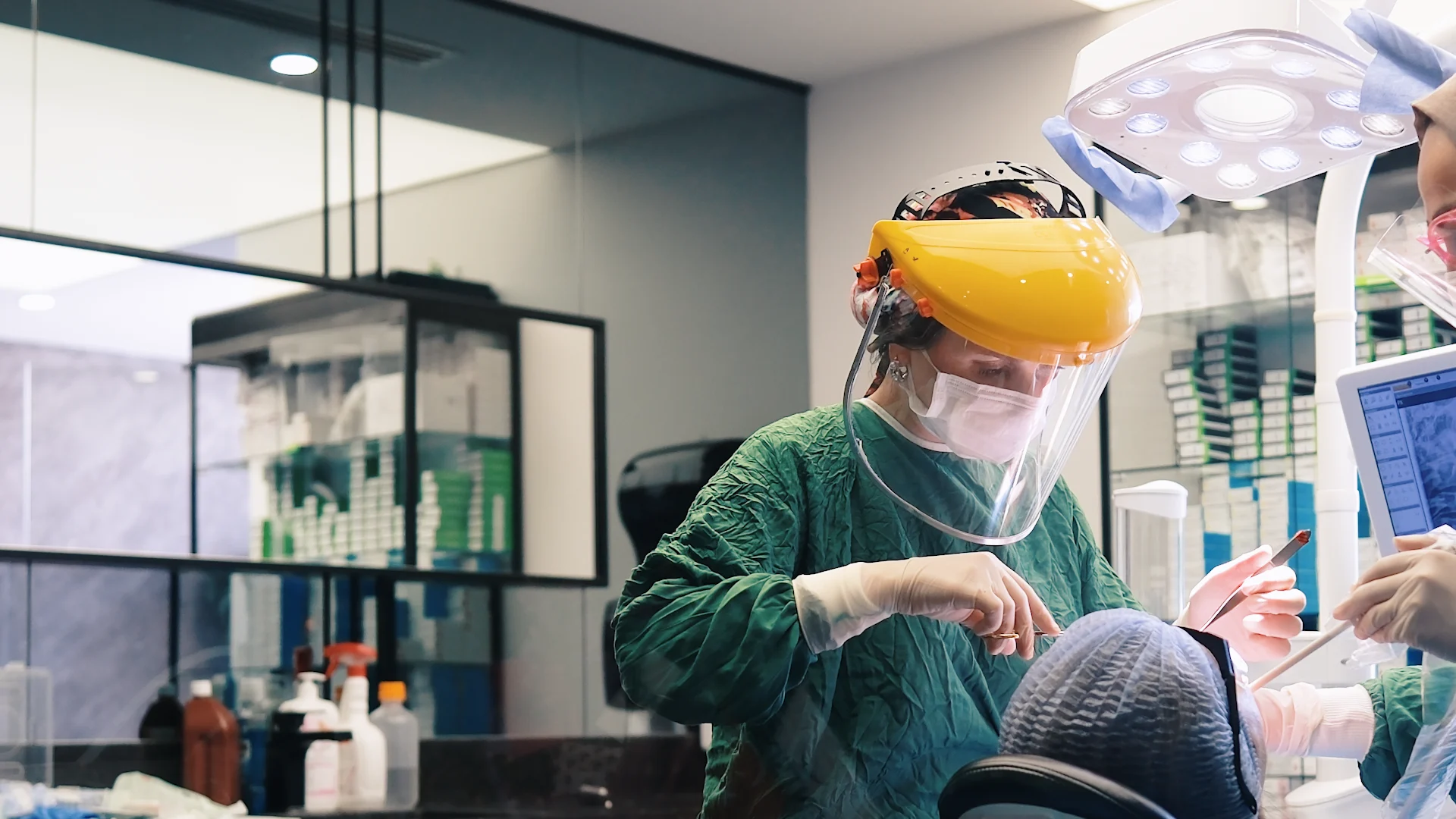
Over 10 years of experience in oral and maxillofacial surgery, specialising in jaw surgery, implantology and complex maxillofacial procedures, with an approach built around keeping patients fully informed and comfortable throughout treatment. Full profile.
Dr. Bürkan Berkay Baş — Prosthodontic Specialist
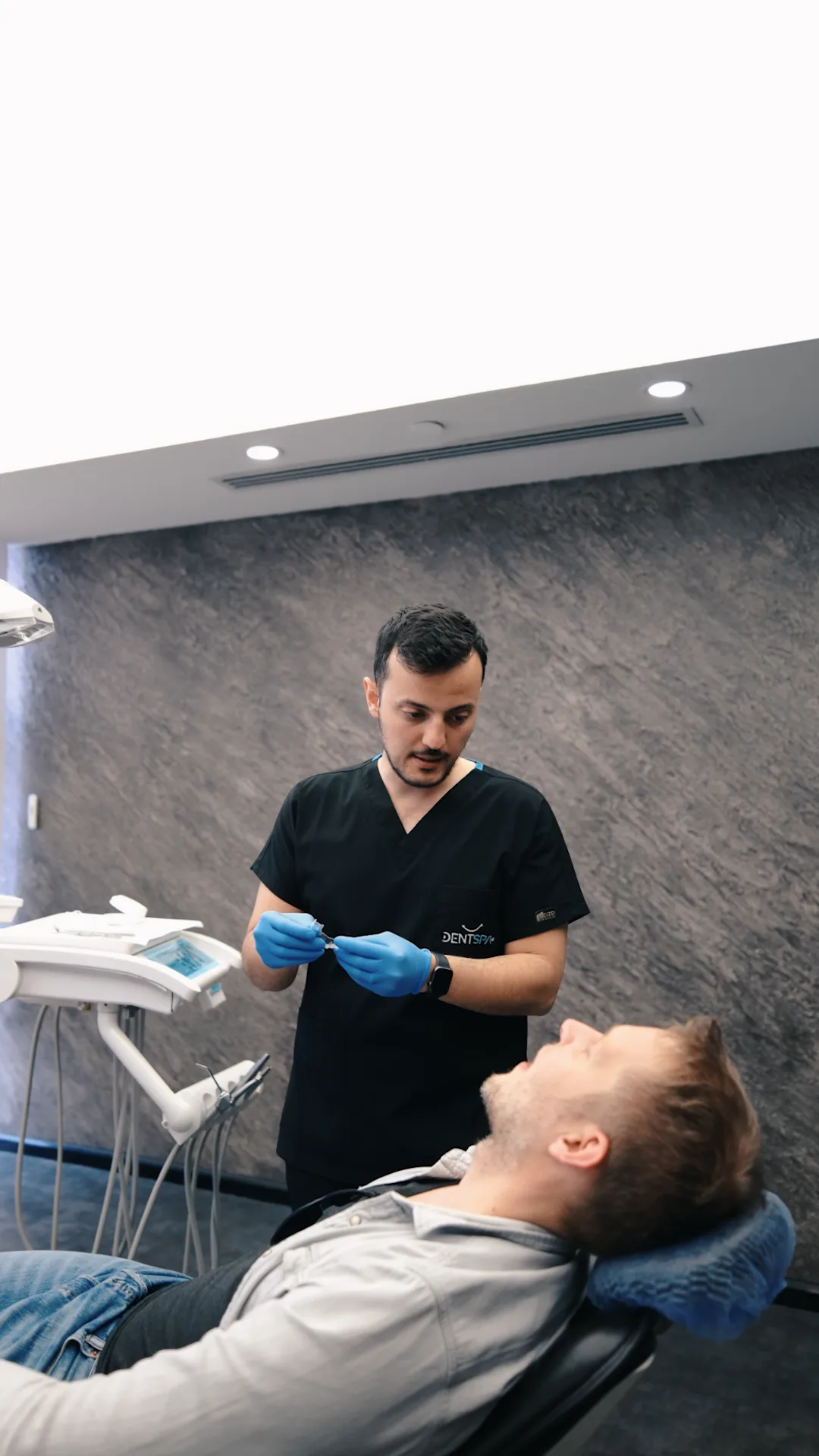
10 years of experience. PhD in Prosthetic Dentistry from Istanbul Medipol University. Specialises in smile design, porcelain veneers and implant-supported restorations. Member of the Turkish Prosthodontics and Implantology Association (TPID) and the ITI Study Club. Published research on zirconia restorations. Full profile.
Dr. Selin Güven — Prosthodontist
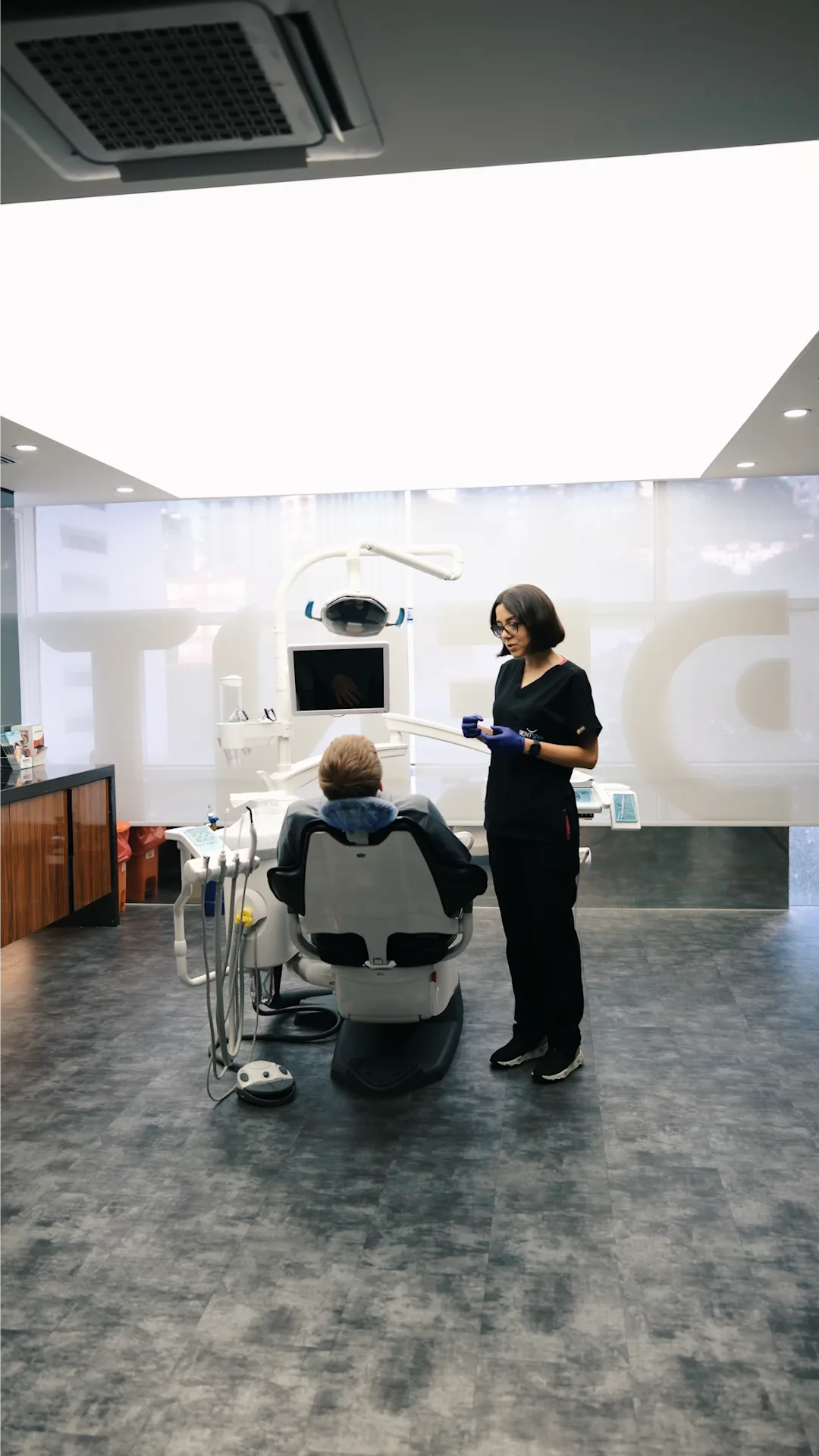
8 years of experience, currently completing a PhD in Prosthetic Dentistry at Istanbul University. Specialises in porcelain laminate veneers, implant-supported dentures and composite layering techniques. Trained through the ITI Curriculum and a member of the Aesthetic Dentistry Academy Association. Full profile.
Book your free consultation
Send your photos and any existing X-rays, and the medical team will review your case and prepare an outline of what treatment could look like — timeline and approximate cost included — before you commit to anything. The consultation is free, there’s no pressure to proceed, and you’ll have a clearer picture of your options either way.
Frequently asked questions
How do I find a good dentist in Turkey?
Are dentists in Turkey qualified?
Which city has the best dentists in Turkey?
How much can I save by having dental treatment in Turkey?
Is the quality the same as in the UK or US?
Will I need more than one trip?
What happens if I need follow-up care after returning home?
Do dentists in Turkey speak English?
Sources
- 1. Office for National Statistics — Estimated number of visits by residents of Great Britain to overseas countries for medical treatment, 2024, released 19 September 2025 (official statistics in development, International Passenger Survey).
- 2. Global Healthcare Accreditation — DentSpa Strengthens Global Trust in Turkey’s Dental Services with GHA Certification, 16 July 2026.






 70%
70%