Table of content
Table of content
Dental treatment shouldn’t feel overwhelming
For many patients in the US and UK, it often does. High costs, long waiting times and care split across different providers make even straightforward treatment difficult to plan.
That’s why more patients are choosing a different approach. Turkey — and Istanbul in particular — has become one of the leading destinations for dental tourism. Not only because of affordability, but because treatment can be planned as a single coordinated journey rather than a series of appointments you have to project-manage yourself.
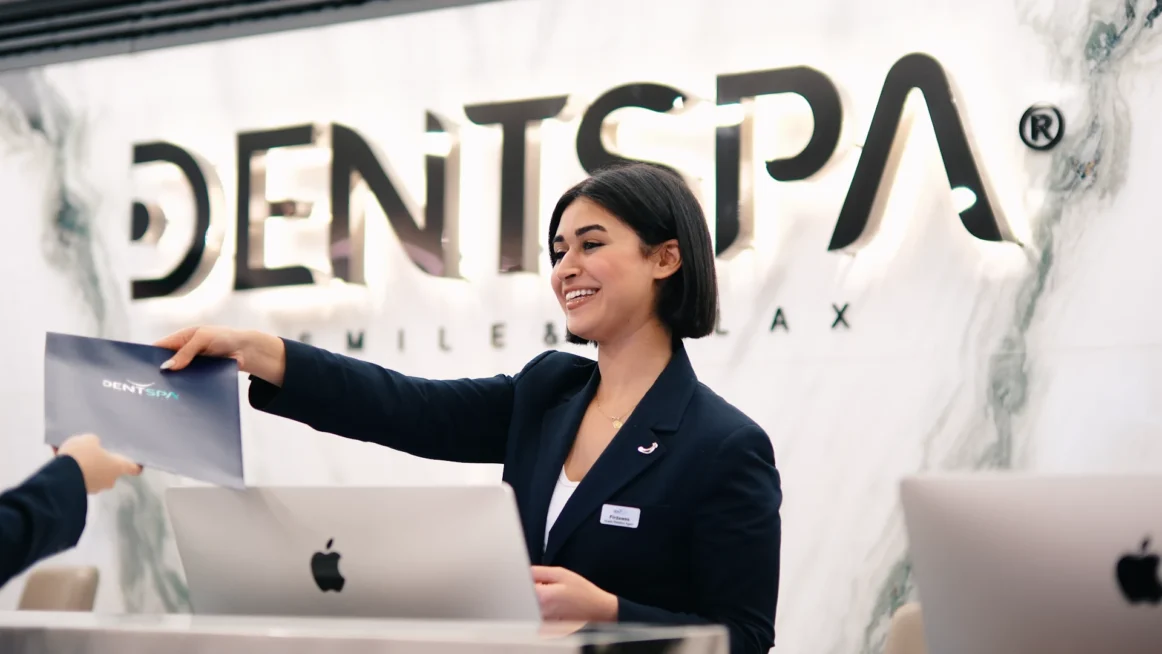
At DentSpa in Istanbul, that’s how it’s structured — from your first consultation to your return home.
Why Turkey, and Why Now
Travelling abroad for treatment is no longer unusual. The Office for National Statistics publishes estimates of how many Great Britain residents travel overseas for medical treatment, drawn from the International Passenger Survey — official statistics still in development, but the direction is not in dispute.1
The reason isn’t hard to find. As an approximate guide to the private market, full-mouth implant treatment in the UK typically runs somewhere around £25,000 to £35,000 — a figure that puts it out of reach for a great many of the people who need it. That’s a market range rather than a quote; your own cost depends on your findings and is confirmed in writing after a consultation.
What has changed on the Turkish side is the infrastructure around the treatment:
- CE-marked materials from the same international manufacturers supplying UK and US practices.
- 3D diagnostics — CBCT imaging and digital impressions rather than estimates from photographs.
- Treatment planning built for people who are flying in, where the sequence and the timeline are agreed before anyone books a flight.
That combination has changed how patients treat the decision. Dental tourism is no longer a last resort — it’s a planned healthcare choice, made in advance, with the plan in hand.
Why Istanbul
Istanbul is the most established option in Turkey, particularly for complex treatment. As the country’s largest city and an international hub, it combines a dense concentration of well-equipped clinics with genuinely easy travel — two well-connected airports and frequent direct flights from across Europe and the UK.
For implants and full-mouth restoration, the practical advantage is experience at volume: the more often a team handles a particular situation, the less of it is unfamiliar. Antalya and Izmir are also popular, especially if you’d prefer a quieter setting alongside treatment — but the city matters less than the specific clinic and the specific clinician, which is covered in our guide to how to find a dentist in Turkey.
Getting around once you’re here is straightforward, and how it works for patients specifically is set out in our guide to transport for dental tourists in Turkey.
What Makes It Safe — the Things You Can Check
“Is it safe?” is really a question about the clinic, not the country — and the useful version of the answer is a list of things you can verify yourself before you commit:
- A Ministry of Health licence and an International Health Tourism Authorisation Certificate — the second is required by Turkish law for any clinic treating foreign patients.
- Accreditation you can look up. DentSpa holds the Certification for Excellence in Medical Travel Patient Experience from Global Healthcare Accreditation, which assesses exactly the parts of treatment abroad a clinical inspection doesn’t reach — information before you travel, care coordination, financial transparency and the handover of aftercare.2 It is also certified to ISO 9001 and ISO 10002 and a member of the Turkish Dental Association.
- A written treatment plan before you fly, naming the material, the number of teeth and what is and isn’t included.
- Independent recognition. DentSpa was named best dental clinic in Europe in the odontology category at the European Awards in Medicine — and for implants specifically, Straumann publishes the number placed here over a full year on its own verification page, which you can check in seconds: see the Straumann Achievement Award.
- Aftercare that’s arranged before you leave, not improvised once you’re home.
Most problems in dental tourism trace back to unclear planning rather than to the treatment itself. Every item on that list is a way of testing the planning before you’re committed to it.
Start from Home: Your Treatment Plan Before You Travel
Your treatment journey begins before you book a flight. Request a free consultation, send your photos and any existing X-rays, and the medical team reviews your case and comes back with:
- a preliminary treatment plan
- an estimated timeline
- an approximate cost
That gives you clarity early, with no commitment — and enough time to plan the trip rather than rush it. The remote review gives you the outline; the final plan is confirmed in person once the diagnostics are done, because a plan built from a photograph isn’t a plan.
Real Stories, Real Transformations
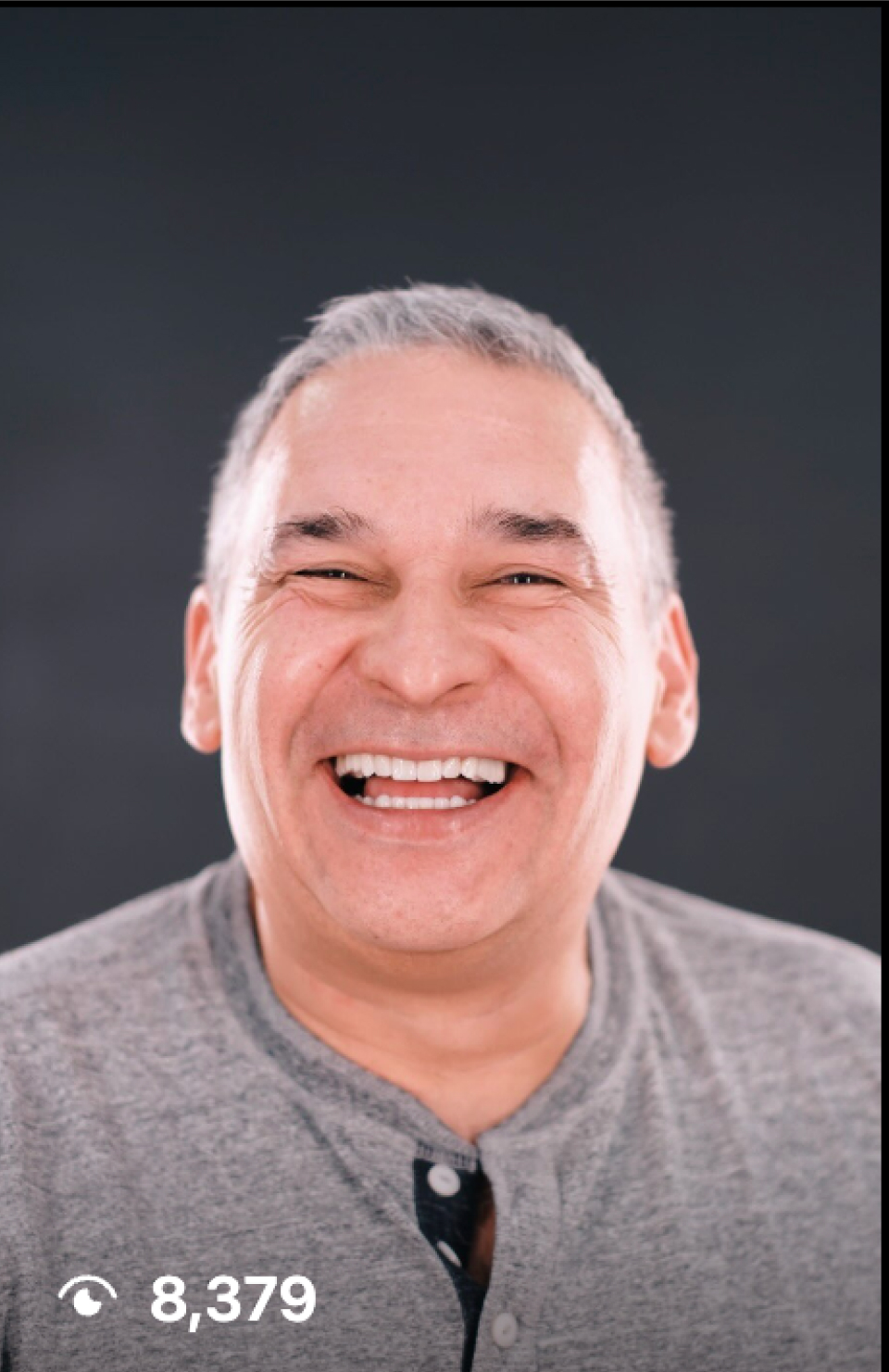
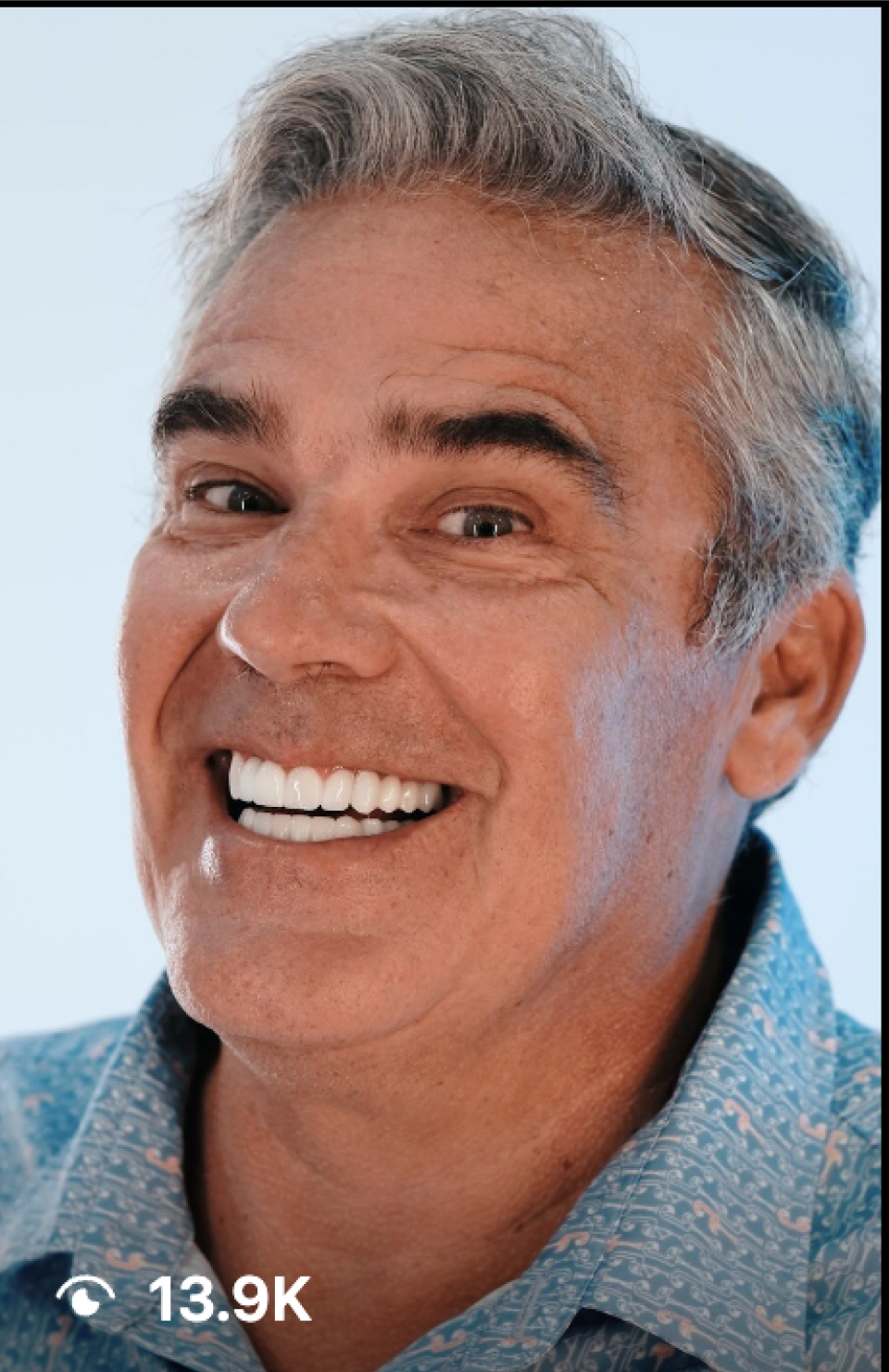
Plans and statistics matter, but patients tell the story better. If you’re looking for specific cases, browse the Smile Gallery for before-and-after results, and the verified Trustpilot and Google reviews for detailed feedback from patients — each linked back to where it was posted, so you can check it independently.
What DentSpa Treats
Smile makeovers. A Hollywood Smile at DentSpa is designed around your facial proportions and your bite, not applied as a template — combining custom veneers, crowns and professional whitening. You see the plan through Digital Smile Design before any irreversible work begins, which is the moment to change it if it isn’t what you pictured.
Implants and full-mouth reconstruction. From a single gap to a full arch, including All-on-4 and All-on-6. Where the bone isn’t there to start with, it’s rebuilt first — see bone grafting and sinus lift, and our guide to the implant timeline with a bone graft if you want to know how long that adds. Temporary restorations mean you don’t leave the clinic without a working smile while the final ones are made.
Restorative crowns. Whether as part of a makeover or to save a weakened tooth, crowns are made from digital impressions rather than traditional moulds, in the clinic’s own laboratory — which matters practically when your time in the city is finite.
Specialist work handled in-house. Complex needs stay with the clinic’s own specialists rather than going out to referral: jaw surgery where corrective work is needed to support function and implant success, root canal treatment to save natural teeth, and TMJ therapy for jaw joint pain and bite dysfunction.
Over 50,000 International Patients
World-class dentistry is about more than technical skill — it’s the peace of mind that comes from a coordinated experience. More than 50,000 patients from over 50 countries have been treated at the Şişli clinic since 2018.
What to expect:
- Care that continues after you leave. The aftercare team stays in contact once you’re home, and your records can go to your local dentist — details on the after-treatment page.
- A dedicated coordinator managing arrival, translation and local logistics, so you’re not organising this yourself. How it works is on the international guests page.
- CE-marked materials named in your treatment plan, so any dentist can read your case afterwards.
Plan Your Treatment in Turkey
Getting the smile you’ve wanted should be a considered decision, not a logistical burden. Istanbul makes it possible to combine serious dentistry with a straightforward trip — what it takes is a clear plan, agreed before you go.
Take the first step with a free consultation. You’ll get your options explained and a treatment path that fits your life — before you commit to anything.
Frequently asked questions
How much can I save by having dental treatment in Turkey?
Is dental treatment in Turkey safe?
Which city is best for dental tourism in Turkey?
Are dentists in Turkey qualified?
Will I need more than one trip?
What happens if I need follow-up care after returning home?
Is the quality the same as in the UK or US?
Is dental tourism in Turkey really worth it?
Sources
- 1. Office for National Statistics — Estimated number of visits by residents of Great Britain to overseas countries for medical treatment, 2024, released 19 September 2025 (official statistics in development, International Passenger Survey).
- 2. Global Healthcare Accreditation — DentSpa Strengthens Global Trust in Turkey’s Dental Services with GHA Certification, 16 July 2026.









 70%
70%