Quick answer: Mini dental implants are smaller, narrower implants — a one-piece screw under about 3 mm wide — used to replace small teeth or, most often, to stabilise loose dentures. They involve less invasive surgery, faster healing, and lower cost than conventional implants, and can sometimes be placed where there isn’t enough bone for a standard implant. They aren’t right for every case, so an assessment decides if they suit you.
This guide explains how mini implants work, who they help, their pros and cons, how long they last, and what they cost in the UK compared with Turkey.
What are mini dental implants?
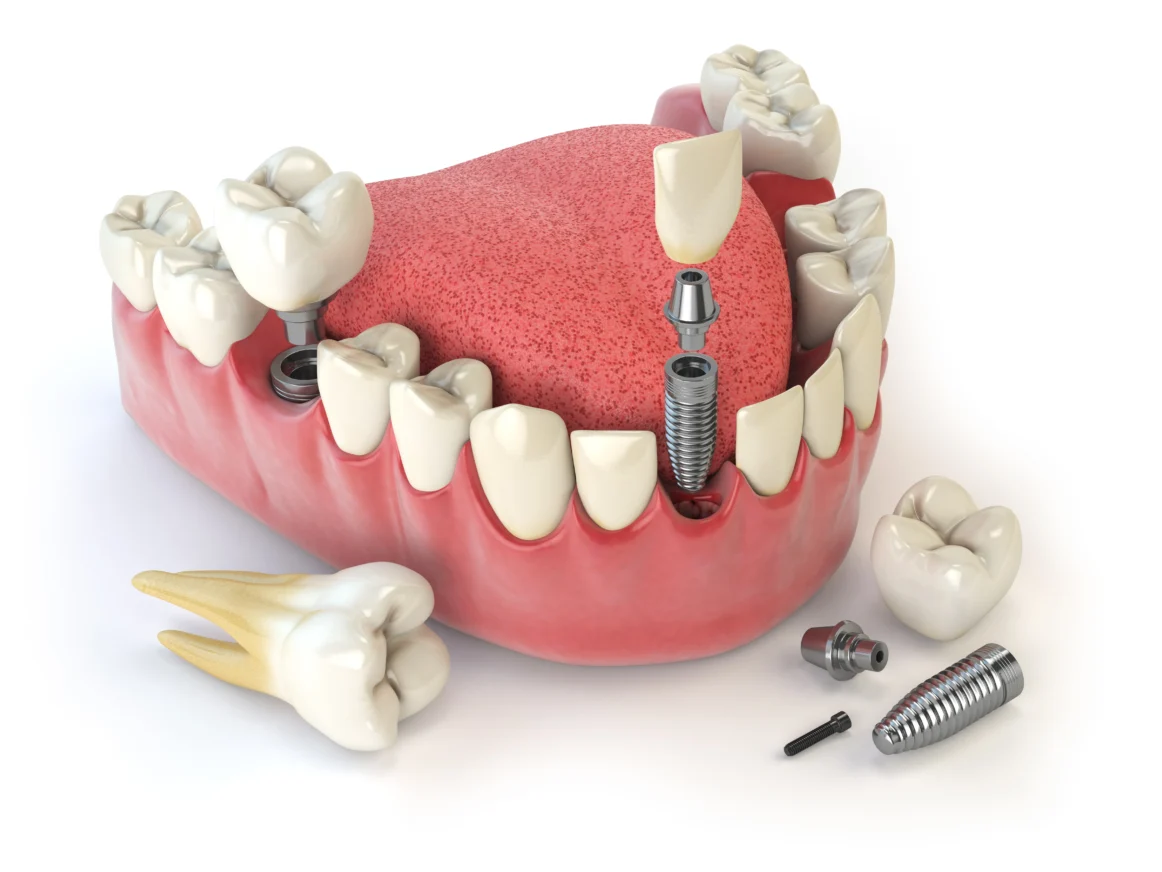
A standard implant is usually a two-piece system (a post plus a separate abutment). A mini dental implant is a single, narrow titanium screw — typically less than 3 mm in diameter — with the connection built into one piece.¹ Because it’s thinner, placing it is generally simpler and less invasive than a conventional implant.
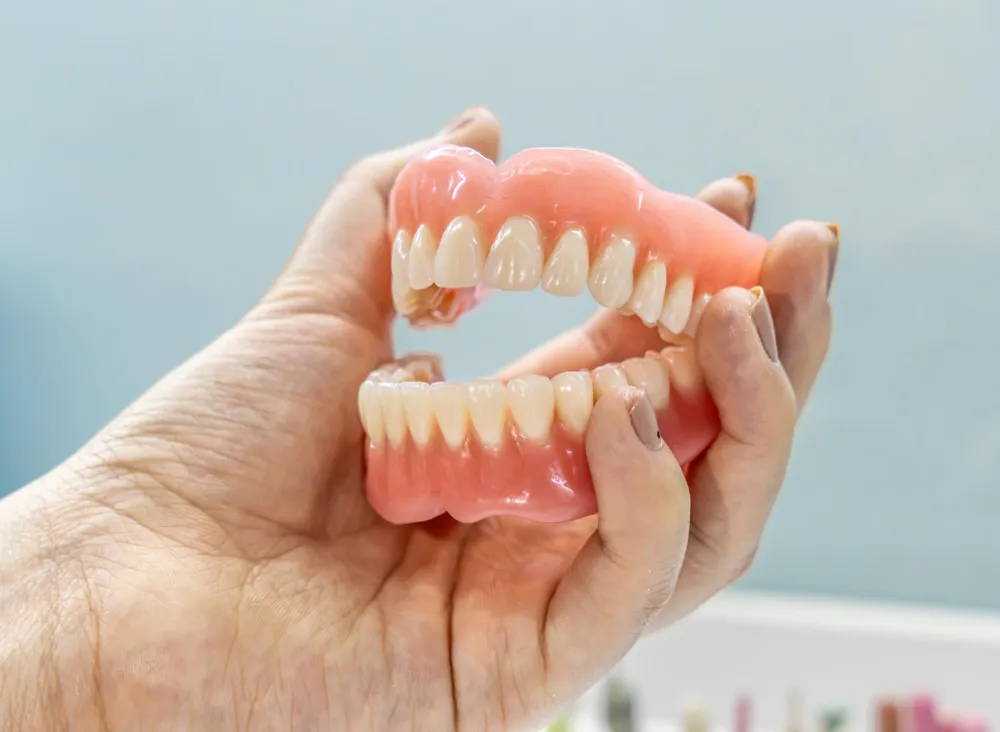
Mini implants are used in two main ways: to replace small or narrow teeth, and — very commonly — to anchor a loose lower denture so it clicks into place and stops moving when you eat or speak.¹
Mini vs traditional dental implants
Both replace missing teeth, but they suit different situations.
| Mini implants | Traditional implants | |
|---|---|---|
| Width | Under ~3 mm, one piece | Wider, usually two pieces |
| Surgery | Less invasive | More involved |
| Healing time | Often faster | Longer integration |
| Bone needed | Can work with lower bone density | Usually needs more bone (or grafting) |
| Best for | Stabilising dentures, narrow gaps | Long-term single/multiple tooth replacement, heavy chewing |
| Cost | Lower | Higher |
A key practical point: because they’re narrow, mini implants can sometimes avoid the need for bone grafting that a wider implant might require.¹ For a fuller picture of all the options, see our guide to the types of dental implants.
Pros and cons
Advantages
- Less invasive surgery and often a faster healing time¹
- Lower cost than conventional implants
- Can stabilise a loose denture, improving comfort and confidence
- May be possible without bone grafting in lower-density bone¹
Things to weigh
- As with any implant, success depends on healthy gums and good aftercare
- Not suitable for every case — heavy chewing forces on back teeth usually call for standard implants
- The narrow screw can carry less load than a wider implant
- Long-term evidence is strongest for denture stabilisation
Who are mini dental implants for?
They’re a strong option if you wear a lower denture that slips, have a narrow ridge or limited bone, or want a less invasive, lower-cost route to securing teeth. They’re less suitable if you grind heavily, have untreated gum disease, or need to restore a back tooth that takes a lot of chewing force. If you’re comparing routes, our overview of alternatives to dental implants and implants vs removable dentures puts the choices side by side. An examination — including a scan of your bone — is the only way to confirm suitability.
How long do mini dental implants last?
Looked after well, dental implants are designed to last many years, and mini implants used to stabilise dentures have a solid track record. Longevity depends far more on bone quality, your bite, oral hygiene and not smoking than on the implant being “mini” — and no dentist can promise an exact lifespan. Regular check-ups and good cleaning around the implant are what protect it over time.
Mini dental implants cost: Turkey vs the UK
Mini implants cost less than conventional implants, but private implant treatment is still expensive in the UK, which is why many patients compare prices abroad. At DentSpa, implant treatment is offered at up to around 70% less than typical UK private prices, with the exact figure depending on how many implants you need and the complexity of your case — so a personalised quote follows an assessment and scan. You can see how implant pricing works on our dental implants cost in Turkey guide.
Lower price doesn’t mean lower quality. DentSpa was named Best Clinic in Dentistry in Europe at the European Awards in Medicine 2024 (Odontology), has treated more than 50,000 international patients, uses 3D CT/CBCT planning, and is TDB- and ISO-certified, with aftercare support once you’re home.
Wondering if mini implants are right for you?
Whether a mini or standard implant suits you depends on your bone and your goals, so the simplest first step is a free consultation: upload a few photos for a preliminary view, or message our team on WhatsApp. No pressure — just honest advice from a dentist before you decide.
Frequently asked questions
What are mini dental implants used for?
Are mini implants better than regular implants?
How long do mini dental implants last?
Do mini dental implants need bone grafting?
How much do mini dental implants cost?
Sources
- Healthline — “All About Mini Dental Implants: Benefits, Procedure, and More” — https://www.healthline.com/health/mini-dental-implants













 70%
70%