Table of content
A dental implant passport is a personal record card that lists exactly which implants you had — the brand, model, size, position, and dates of treatment. It lets any dentist, anywhere in the world, understand and continue your care without guesswork. If you have implants placed abroad, it’s the single document that keeps your treatment traceable for life.
As more people travel for dental implants in Turkey and elsewhere, this small card has become one of the most useful things you leave the clinic with. Below is exactly what’s on it, why it matters, whether it’s the same as insurance, and how to get yours.
Does a Passport Cover Dental Implants? (Clearing Up the Confusion)
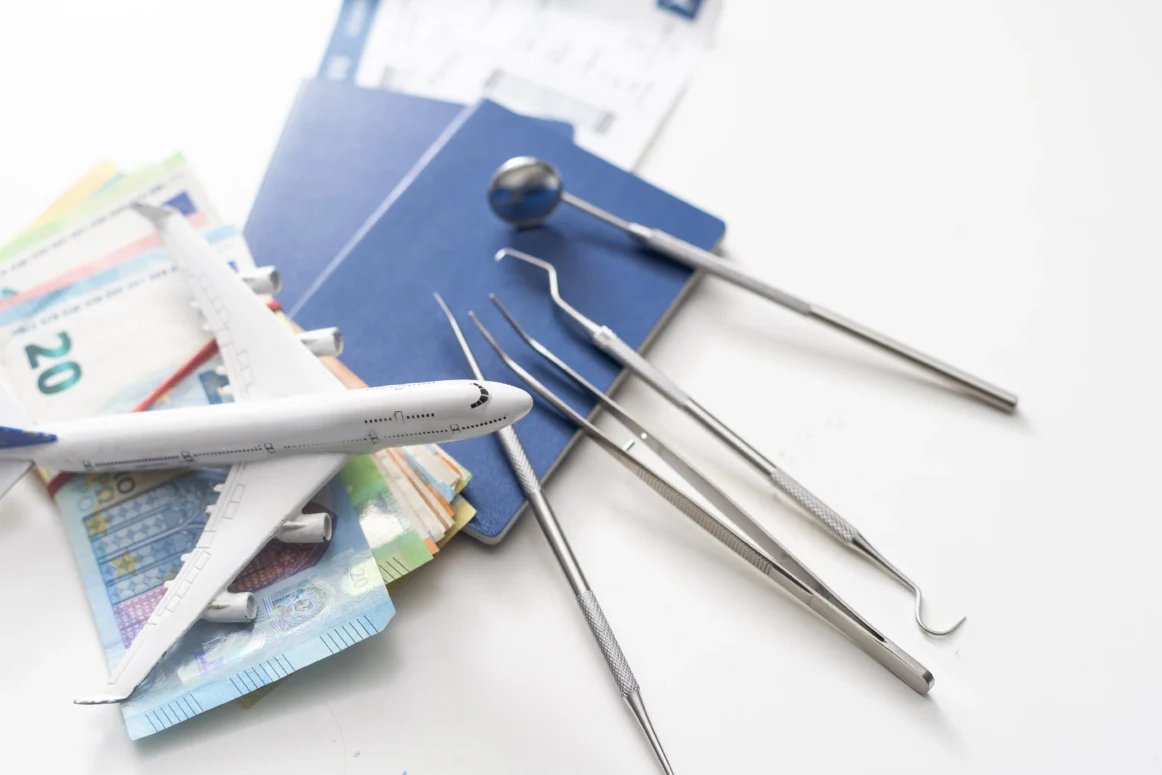
Quick clarification, because the name confuses people: a dental implant passport is not a travel document and not an insurance policy. It doesn’t “cover” the cost of anything. It’s a medical record card — like a logbook for your implants — that proves what was done and which components were used. Think of it as the implant equivalent of a vaccination card: not money, but proof and continuity.
Why Dental Implant Documentation Matters
Dental implants are a long-term solution — the American Dental Association notes they can last many years when properly placed and maintained.¹ But that long life is exactly why documentation matters: a crown or component may need attention years later, and a dentist can only service an implant properly if they know which system it is.
A dental implant passport acts as that record. If you move city or country, a new dentist can read it and continue your care without repeating scans or guessing. It typically records:
- Implant brand and model
- Implant size and placement location
- Number of implants used
- Surgical dates
- Prosthetic components (crown, bridge or full arch)
- Follow-up care instructions
This is especially helpful for international patients who have implant treatment in Turkey and continue follow-up care back home.
What Information a Dental Passport Contains
A dental passport for implants is like a medical record focused specifically on your implant work. A complete one usually includes:
- Patient identification — your details and a treatment ID.
- Implant specifications — the exact system used, including diameter, length and manufacturer.
- Clinical imaging — panoramic X-rays or CBCT scans confirming placement.
- Prosthetic information — the crowns, bridges or full-arch restorations fitted on the implants.
- Treatment timeline — dates of surgery, prosthetic placement and follow-ups.
If your case involved extra steps like a bone graft or sinus lift, those are recorded too — details a future dentist will want to know.
Benefits of a Dental Implant Passport
- Long-term treatment security. If a component ever needs maintenance or replacement, your dentist knows the exact system — no trial and error.
- Easier international follow-up. Back home, a local dentist can pick up your care without repeating diagnostics. See how after-treatment care works.
- Better communication between dentists. Clear records reduce misunderstandings and help clinicians coordinate.
- Peace of mind. Knowing your treatment is documented and traceable makes the whole experience less stressful.
Why It Matters More for Dental Tourism
Turkey is one of the most popular destinations for dental implants, veneers and full-mouth work, thanks to lower prices, modern clinics and experienced implant teams. But because your treating clinic is in another country, the passport does a bigger job: it’s what lets a dentist at home understand your case if you ever need a check or a repair.
When you compare clinics, look past the headline price to what’s included — especially documentation and aftercare. A clear passport and a real aftercare plan matter as much as the cost of the implants themselves. Good planning — from an online consultation reviewing your scans to a scheduled second visit for implants — is what makes treatment abroad safe and traceable.
How to Get a Dental Implant Passport at DentSpa
At DentSpa in Istanbul, implant patients receive full documentation of their treatment as standard. The clinic plans cases with modern digital tools — iTero intraoral scanners, CAD/CAM and 3D CT imaging — and handles complex work including All-on-4 and All-on-6, sinus lift, zygomatic implants for severe bone loss, and bone grafting.
International patients also get multilingual advisors, travel coordination and post-treatment follow-up. DentSpa was named Best Dental Odontology Clinic in Europe 2024 and has treated 50,000+ international patients. To get your treatment plan — and the documentation that comes with it — book a free consultation.
Frequently asked questions
What is a dental implant passport?
Does a passport cover dental implants?
Why do I need a dental passport if I had implants abroad?
What information is on a dental implant passport?
Will my dentist at home accept a dental passport from Turkey?
Do I get a dental passport at DentSpa?
Sources
- American Dental Association — MouthHealthy: Implants (implants can last many years with care) — https://www.mouthhealthy.org/all-topics-a-z/implants
- Dental implant survival in studies with ≥10-year follow-up (~90–95%) — PubMed — https://pubmed.ncbi.nlm.nih.gov/25467739/















 70%
70%