Table of content
Table of content
Dental Implant Surgery in Turkey: What It Involves
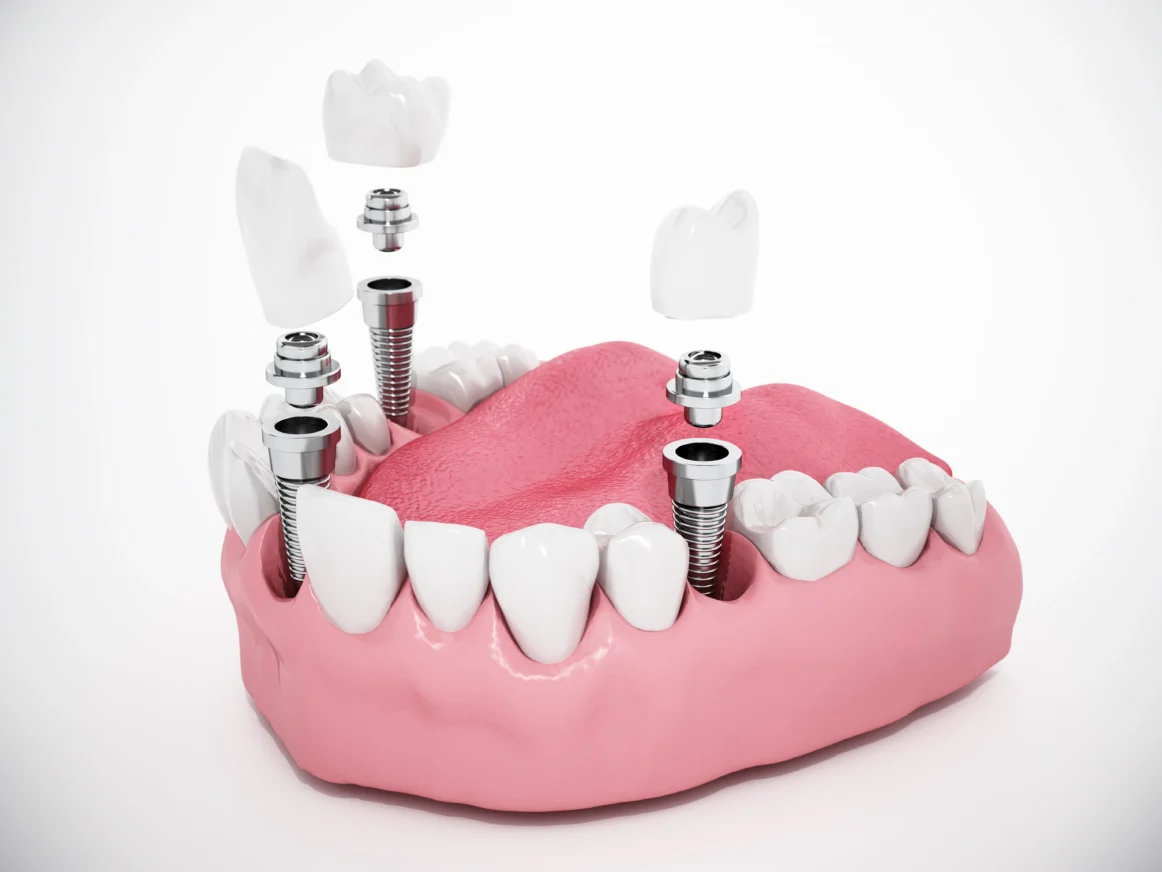
Dental implant surgery replaces a missing tooth root with a small titanium screw placed into the jawbone; once it fuses with the bone (osseointegration), it holds a permanent crown, bridge or full arch of teeth.¹ In Turkey the treatment is usually staged over two visits a few months apart – placement first, then the final teeth once the implant has healed. Below, an oral surgeon walks you through exactly what happens, how many trips you need, recovery, safety and how the cost compares with the UK.
Dental Implant Surgery Step by Step
- Consultation & 3D scan. We take a CBCT scan and photographs to check bone volume and plan the exact implant position. Many patients start with a free online assessment before they travel.
- Preparation. If a tooth still needs removing it is extracted, and where the bone is thin we add a bone graft or, in the upper back jaw, a sinus lift. Not everyone needs this – your scan tells us.
- Implant placement. Under local anaesthetic the gum is lifted and the titanium implant is placed into the jawbone; a healing cap or temporary tooth is fitted so you are never left with a gap.¹
- Healing (osseointegration). The implant fuses with the bone over roughly three to six months. You return home during this phase and we stay in touch through our after-care team.
- Final crown or bridge. On your second visit an abutment is fitted and your custom zirconia or E.max crown – made in our in-house lab – is placed to match your natural teeth.
For a single missing tooth this follows our standard tooth implant procedure; if you have thin bone, read what happens when there isn’t enough jawbone.
How Many Trips to Turkey Do You Need?
Most implant cases need two visits, with a healing period at home in between:
| Stage | What happens | Time |
|---|---|---|
| Visit 1 | Scan, any grafting, implant placement, temporary tooth | ~5-7 days in Istanbul |
| Healing at home | Osseointegration (implant fuses to bone) | ~3-6 months |
| Visit 2 | Abutment + final crown/bridge fitted | ~5-7 days in Istanbul |
In selected cases with good bone, same-day (immediate-load) temporaries may be possible – we confirm this only after your scan. See the full implant timeline with a bone graft for how grafting affects the schedule.
Dental Implant Surgery in Turkey: Cost vs the UK
Implant surgery in Turkey typically costs a fraction of UK private prices – many patients save up to around 70% – without dropping to budget materials. As a rough guide:
| Treatment | From (guide) |
|---|---|
| Single dental implant | from ~£350 |
| Full-arch (All-on-4, per jaw) | from ~£3,000 |
Your final price depends on the number of implants, whether you need grafting, and the crown material – so we give a fixed quote after your scan. For a full breakdown and what’s included, see our guide to dental implant costs in Turkey.
Prices shown are approximate guide figures for general information only and are not a quote or a guaranteed price. Actual costs vary from case to case and are confirmed after a clinical assessment.
Is Dental Implant Surgery in Turkey Safe?
Yes – when it’s done by qualified specialists in an accredited clinic. Osseointegrated titanium implants are one of the most studied treatments in dentistry, with 10-year survival rates of around 95%.² Safety comes from the clinic, not the country: proper planning, sterile surgery, certified implant systems and real after-care.
At DentSpa your surgery is carried out by oral and maxillofacial surgeons and prosthodontists, in a TDB- and ISO-certified clinic named Best Clinic in Dentistry in Europe at the European Awards in Medicine 2024. We’ve treated 50,000+ international patients and place an estimated 3,000+ implants a year, plan every case with CBCT imaging, and support you through a dedicated after-care department once you’re back home. If a problem ever arises, we explain the causes and options honestly – see dental implant failure.
Recovery & Aftercare
Most people are comfortable with over-the-counter pain relief and are back to light activity within a day or two. Some swelling and bruising for a few days is normal. Stick to soft foods, avoid smoking (it slows healing), and keep the area clean as instructed. If you had grafting, follow our post-bone-graft care guidance. Our after-care team checks in during healing and coordinates any follow-up with your dentist at home.
Replacing All Your Teeth: All-on-4 & All-on-6
If you’re missing most or all of your teeth, a full arch can be supported on four or six implants rather than one per tooth. It gives fixed, stable teeth without a removable denture. Learn how we do it on our All-on-4 dental implants page.
What DentSpa Patients Say
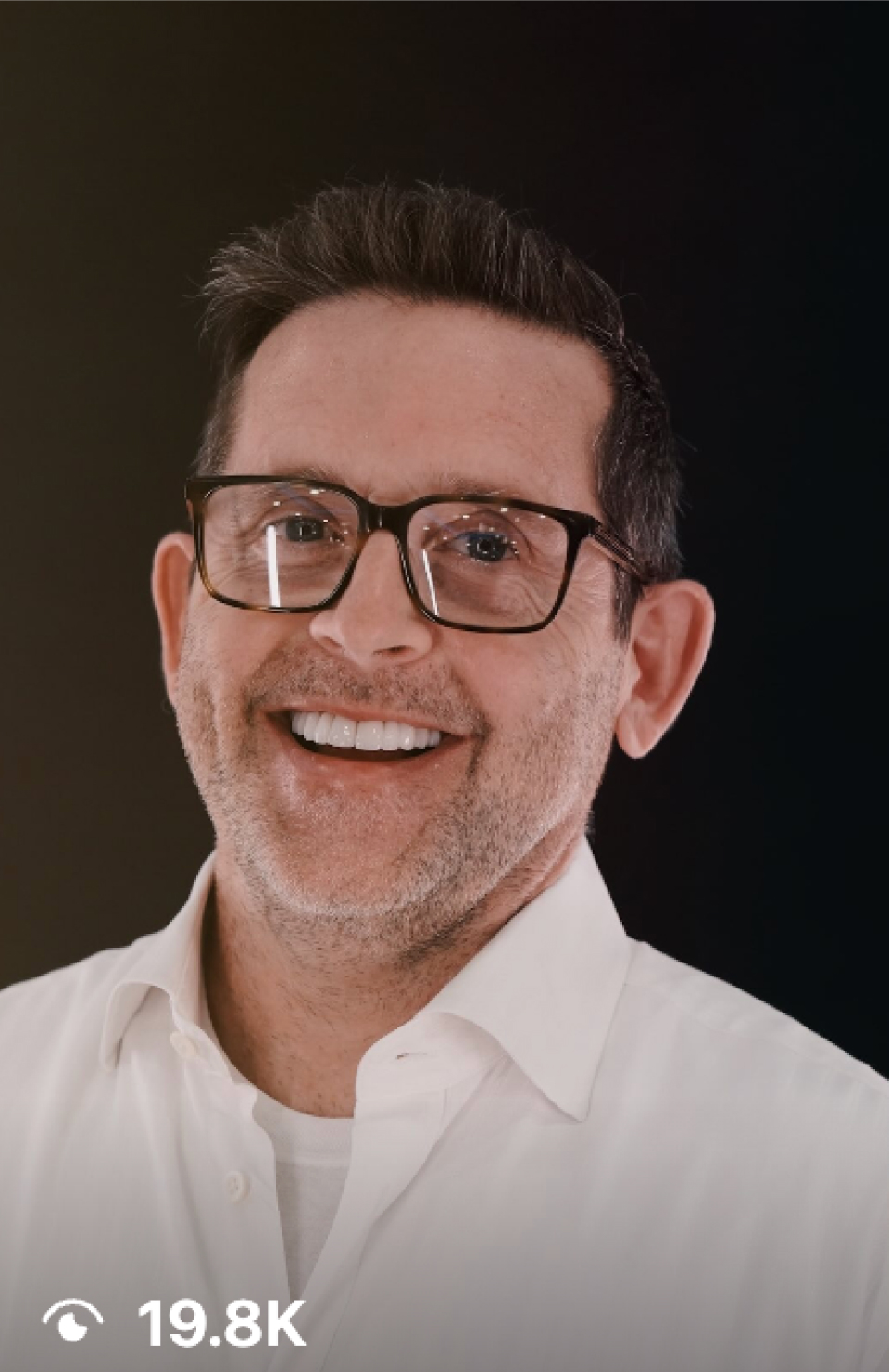
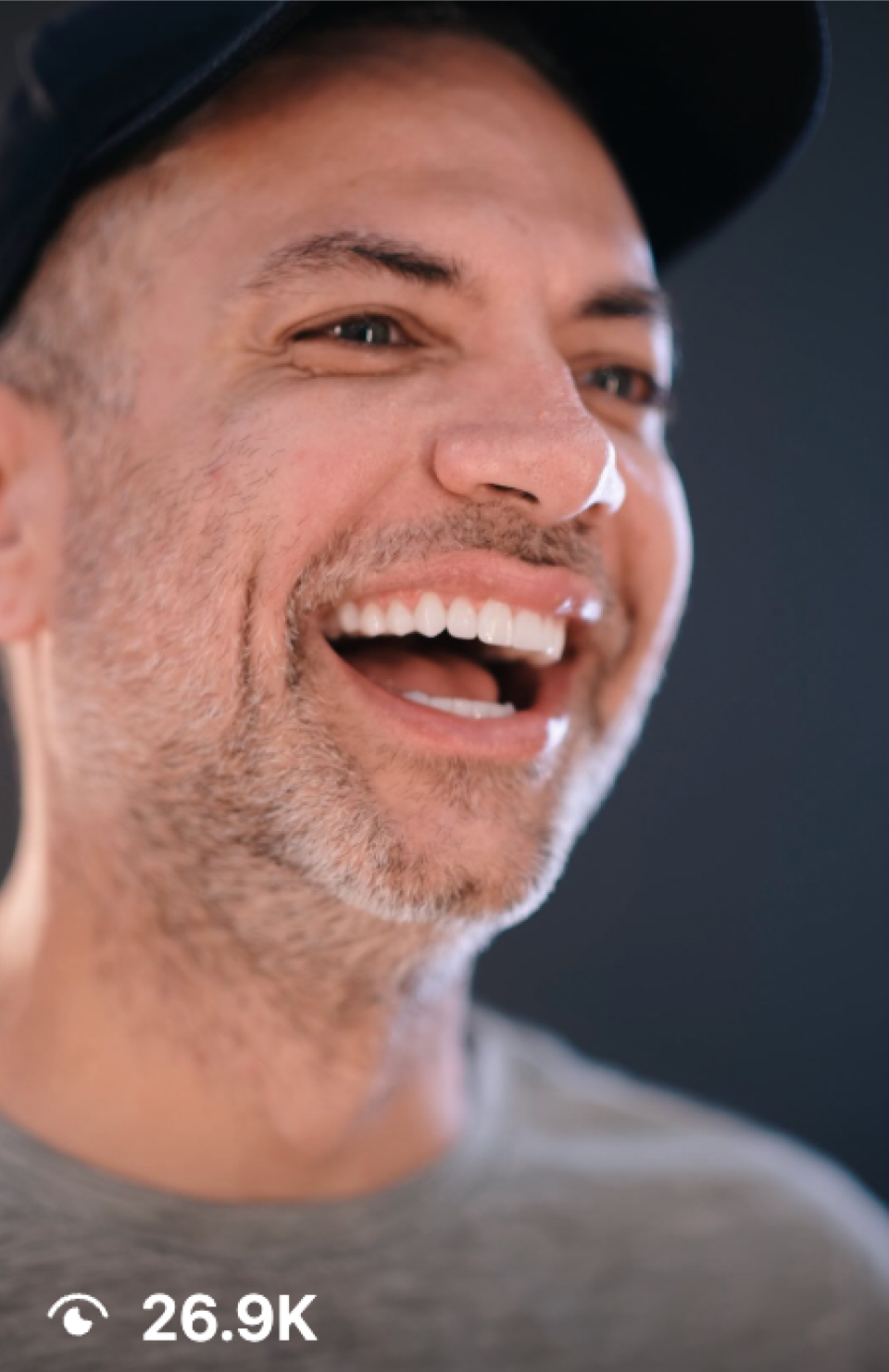
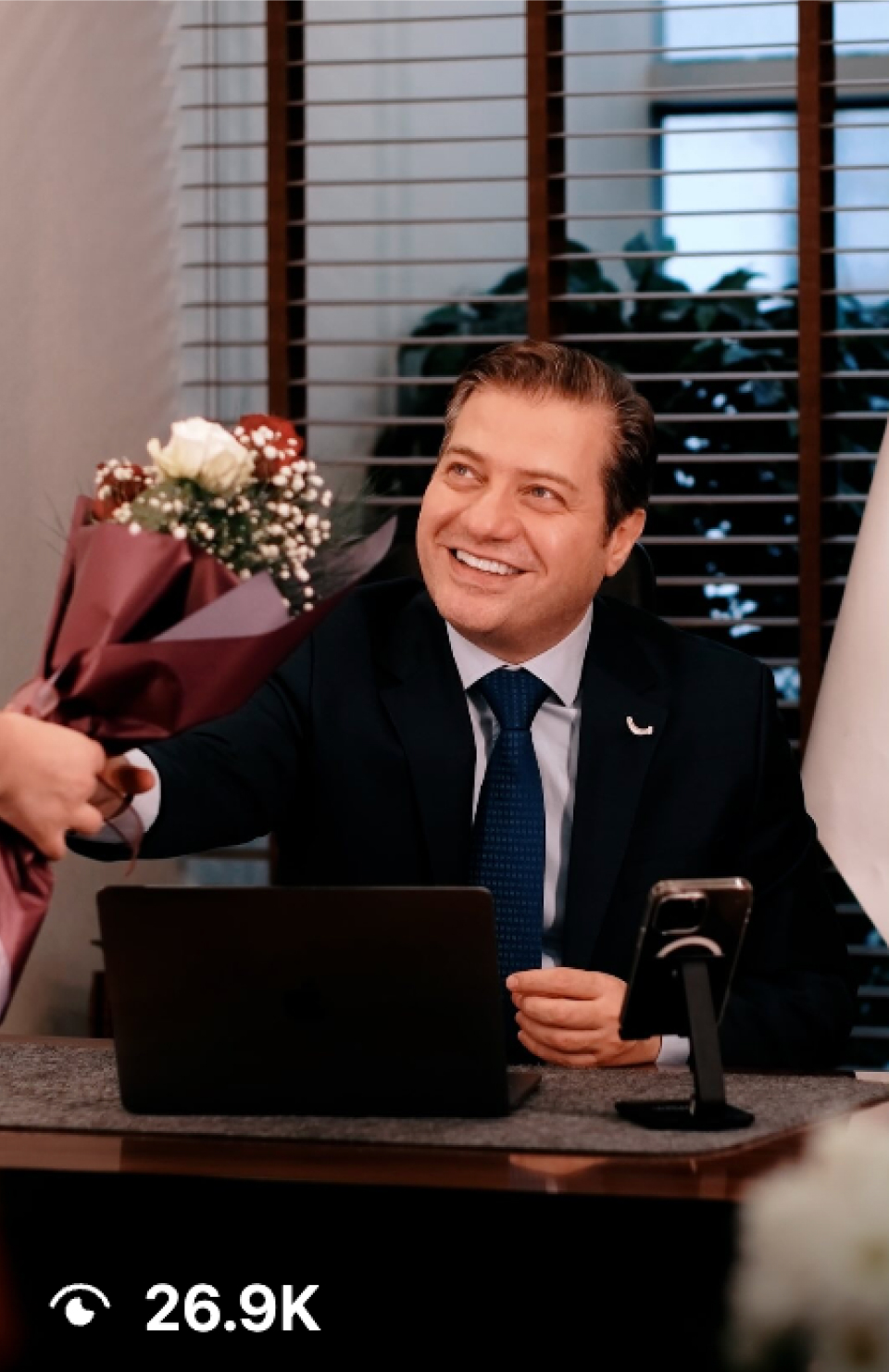
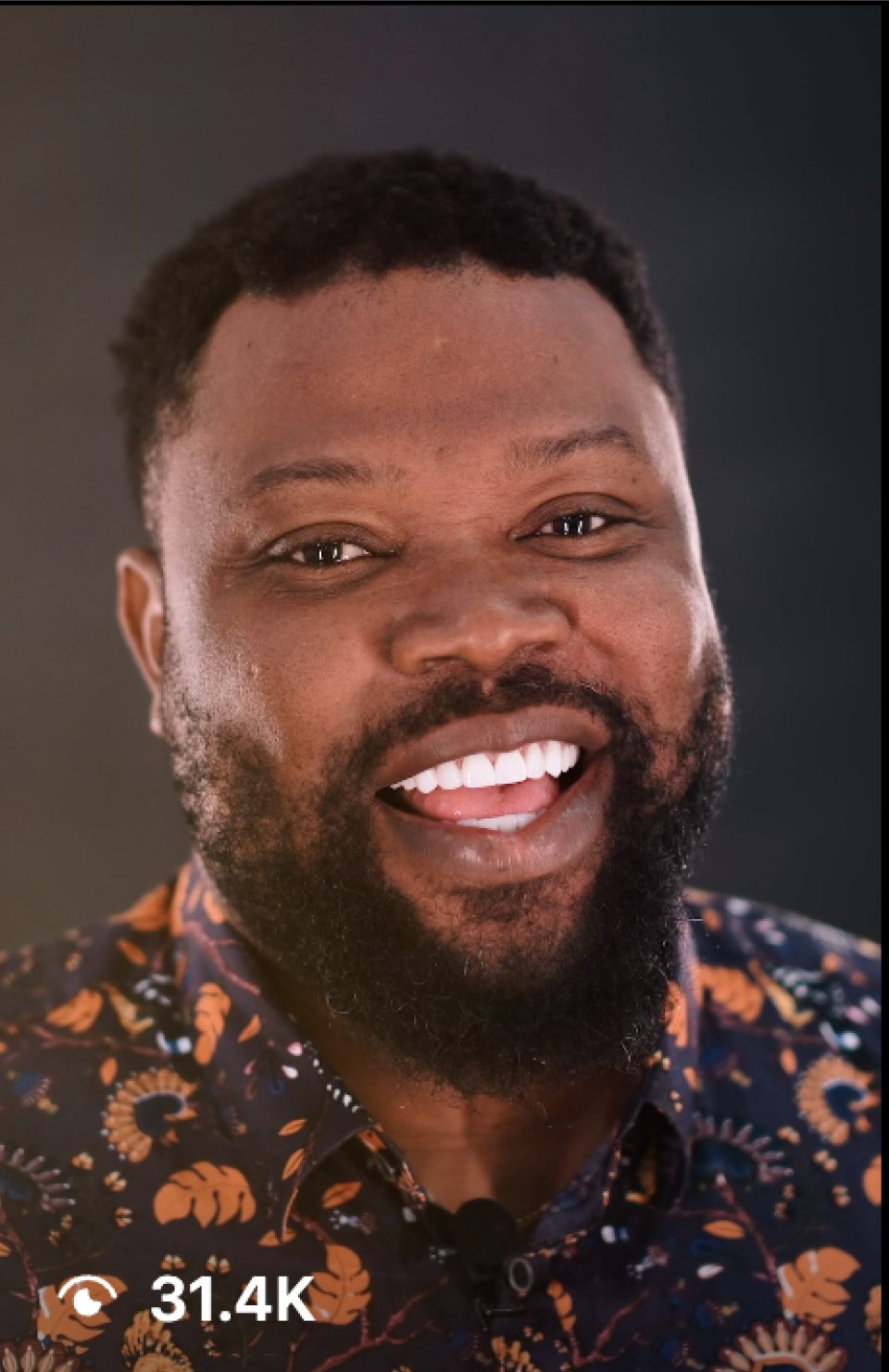
DentSpa is rated 4.8/5 on Google and 4.6/5 on Trustpilot across 5,000+ verified patient reviews. A few, in patients’ own words:
“My process ran over 13 months – I needed a double bone graft, root canals and extractions. The coordination team were very accommodating and the surgeon and cosmetic team were exceptional. Thank you, you have changed my life.”
Verified patient – Google review
“5-star service from start to finish. First-class treatment, lightyears ahead of the UK. Highly recommend.”
Verified patient – Google review
You can read every review – each linked back to its original Google or Trustpilot source – at DentSpa Reviews.
Book Your Free Implant Assessment
Send us a few photos and any recent x-rays for a free, no-obligation assessment, or message us on WhatsApp to ask a question. We’ll tell you honestly whether you’re a candidate, how many trips you’d need and a fixed price – before you book anything.
Frequently asked questions
Is dental implant surgery painful?
How many trips to Turkey do I need for implants?
Do I need a bone graft before implant surgery?
How long do dental implants last?
How much cheaper are implants in Turkey than the UK?
Is it safe to have implant surgery in Turkey?
Why are dental implants so much cheaper in Turkey?
Will UK dentists work on Turkey teeth?
Can your body reject a titanium dental implant?
What is the downside of a dental implant?
What is the number one cause of dental implant failure?
Can only a single tooth be implanted?
Can you trust a dentist in Turkey?
What happens after 20 years of dental implants?
Sources
- NHS – Guy’s and St Thomas’ NHS Foundation Trust. Dental implants (Overview): what they are, the surgery, healing and timeline. https://www.guysandstthomas.nhs.uk/health-information/dental-implants
- NHS – Dental treatments (national guidance). https://www.nhs.uk/live-well/healthy-teeth-and-gums/dental-treatments/
- Moraschini V, et al. Evaluation of survival and success rates of dental implants reported in longitudinal studies with a follow-up of at least 10 years: a systematic review. PubMed, U.S. National Library of Medicine (NIH). https://pubmed.ncbi.nlm.nih.gov/25467739/








 70%
70%