Table of content
What Are Teeth Whitening Strips?
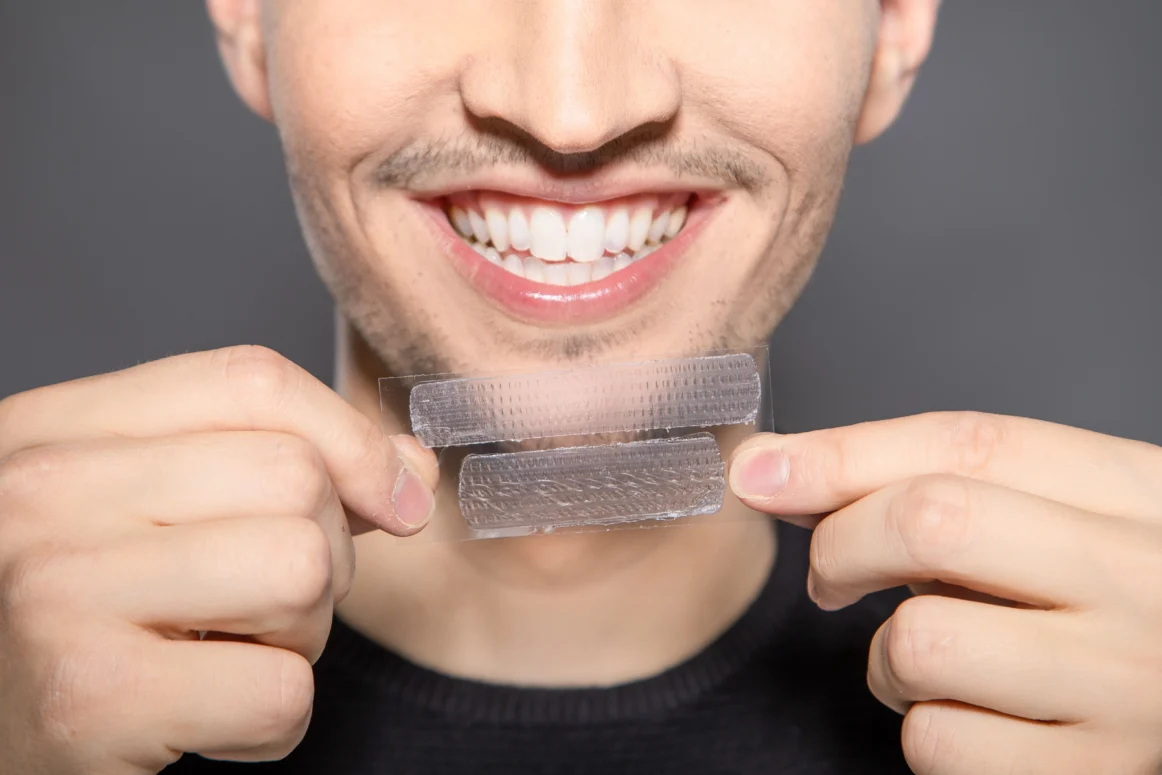
Whitening strips are essentially slim, pliable strips of plastic with a layer of bleaching gel, hydrogen peroxide in particular, that you peel off, paste on your teeth, leave on for roughly thirty minutes, and peel off later. Doing this daily, twice a day for two weeks, begins to erase the stains resting on your teeth’s surface, the same ones that coffee, tea, smoking, or heavily colored foods leave behind.
It’s common for a lot of people to want to use whitening strips because, of course, they are everywhere, and they seem easy enough to use on your own. You don’t need an appointment, and you don’t have to speak with anyone; you can just go to the pharmacy and get a box to use from home. It seems simpler because going to a dentist is a whole ordeal, but..
Do Whitening Strips Really Work?
One of the most frequently asked questions is whether whitening strips really clear out the stains on one’s teeth.
On one hand, whitening strips can eliminate the mild yellow hue resulting from food and liquids, but strips cannot help with internal discoloration, which becomes darker with age, as well as discoloration from medications.
They also have physical limits:
- also have physical limits:Whitening strips don’t cover all teeth if your smile is wide or your teeth are not perfectly aligned. This is why people sometimes feel that whitening strips make teeth patchy; some areas get more gel than others.
- If you have crowded or rotated teeth, you might notice that srips don’t adapt perfectly to crooked teeth, so the gel may not contact every surface.
And importantly, whitening strips don’t change the colour of dental restorations:
- When it comes to the use of whitening strips in conjunction with veneers, it’s essential to note that the strips don’t affect the veneers themselves, but rather the natural enamel that they are covering.
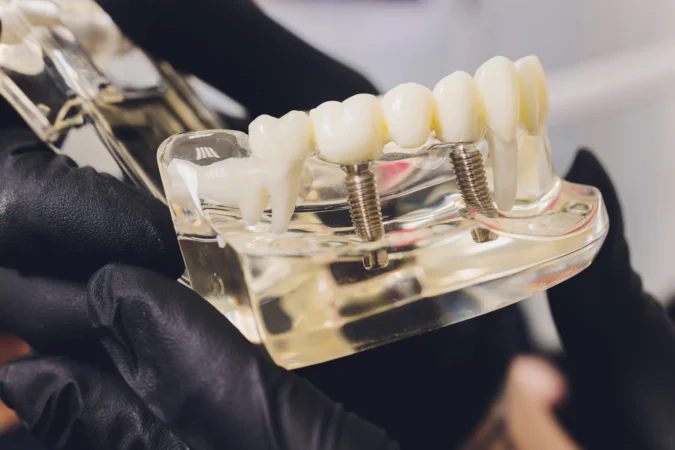
- This is the same case with dentures. These kinds of materials do not react to the bleaching gels and as a result, just the enamel adjacent to them is going to be bleached.
If you already have or are considering veneers, it’s better to read about professional planning first: Dental Veneers in Türkiye.
Are Teeth Whitening Strips Safe for Your Teeth?
Online, you’ll see the same question repeated in different ways.
The science is fairly consistent:
- When used as directed and for short periods, many brands are considered generally safe for healthy teeth.
- Problems begin with overuse, poor fit, or using low-quality products.
Common Side Effects of Teeth Whitening Strips
There’s no doubt that many individuals experience some form of discomfort when using whitening strips for the very first time. This may occur despite their ease of use and gentleness on your teeth. Nonetheless, you’re bound to experience a number of side effects as a result of using such strips. Some of these side effects involve:
- Tooth sensitivity
The bleaching agents can pass through enamel and irritate the dentin, leading to sharp pain with hot, cold, or sweet foods. This is especially noticeable if you already have sensitive teeth. - Enamel stress and erosion risk
Overuse has been linked with enamel softening and surface changes, which is why people ask if teeth whitening strips can damage teeth. The risk increases when strips are used too often or when the formulas contain harsh, unregulated bleaching agents. - Gum irritation and burns
Many patients report that whitening strips burn their gums after the gel sits too long on the soft tissue. The result can be:- Gums turning white or
- White spots appearing on gums
All of these point to chemical irritation. Repeated trauma may contribute to gum problems, which is why some fear whitening strips cause gum recession. If you already have delicate or receding gums, you really shouldn’t experiment without guidance. Talk to a professional to help you on the matter: Receding gums: causes and treatment.
- Uneven whitening and patchy teeth
Because strips don’t always sit evenly, it’s common to see whitening strips make teeth patchy. This is mainly cosmetic, but very frustrating if you expected a uniform Hollywood smile. - Product quality and expiry
Using very old or low-quality strips can change both effectiveness and safety. So, to the question “can I use expired teeth whitening strips”; most dentists would advise against it. Old gel may be unstable, less effective, or more irritating.
Even when brands like Reach whitening strips are sold in trusted pharmacies, they still must be used carefully and only as instructed.
When Whitening Strips Are a Bad Idea
There are several situations where whitening strips could do more harm than good:
- You have sensitive teeth or previous whitening pain
- You have receding gums or a history of gum recession
- You wear veneers, crowns, or dentures
- Your teeth are severely crooked or stained
- You’re unsure about is whitening strips good for your teeth long term
In these cases, professional assessment is more important than a quick over-the-counter solution.
Safer Alternatives & The Path to Your Hollywood Smile
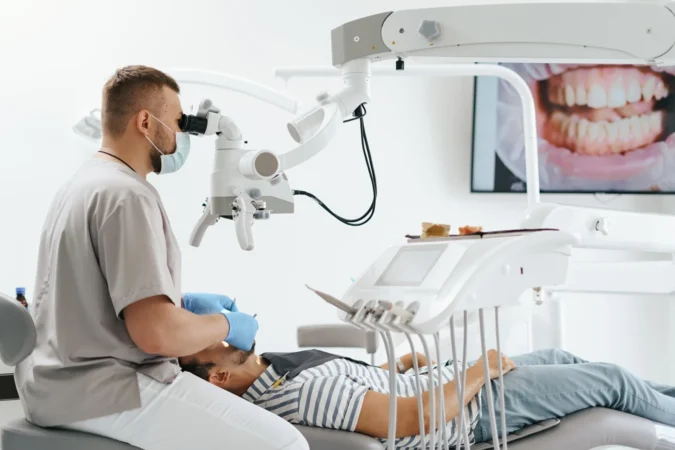
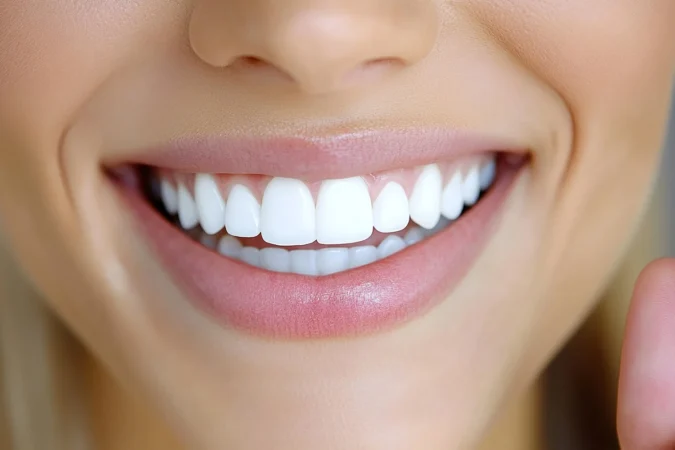
If you are concerned about the risks of commercial whitening strips, medical experts recommend choosing safer, professional solutions. These include In-Clinic Professional Whitening for controlled results, Custom-Fit Trays, or addressing underlying dental issues first. For a more complete transformation, Dental Veneers offer the ultimate solution for deep stains and structural corrections. A “Hollywood Smile” is no longer a luxury reserved only for celebrities; thanks to the booming medical tourism in Turkey, you can now access world-class dental care from top-tier experts at reasonable prices. DentSpa is here to make this dream accessible to everyone—contact us today for a free full consultation to start your journey. But why exactly is Dent Spa the perfect choice for you?
Why Choose DentSpa in Turkey
At Dentspa, we analyze more than your teeth color; we assess your entire oral health status. More than 50,000 patients from around the world choose DentSpa for their dental care, not just because of affordability, but because of trust, expertise, and results.
Awarded as a top European clinic, DentSpa is home to a team of highly experienced dentists, including PhD-level specialists, professors, and associate professors who focus on long-term oral health, not quick fixes.
The moment you chose DentSpa as your treatment destination, you choose:
- High-quality materials only – medical-grade whitening gels, carefully controlled exposure times.
- A to Z care and aftercare – from online consultation, to your visit in Turkey, to follow-up once you’re back home.
- Latest technology – modern whitening systems that protect enamel and gums more effectively than home strips.
- Tailored plans – if you have sensitive teeth, receding gums, or are considering veneers or correcting crooked teeth, your whitening is integrated into a broader treatment plan, not done in isolation.
- Clear communication – our multi-lingual team ensures easy communication every step of the way. We’re here for you in your own language.
For many international patients, choosing DentSpa is all about experience.
Travelling to Turkey for dental treatment allows patients to combine high-quality care with a memorable visit.
Instead of repeating at-home whitening attempts, some people choose to address their dental concerns properly while enjoying a short stay in one of the world’s most popular medical tourism destinations.
Protect Your Smile With Professional Guidance
A confident smile starts with healthy teeth and gums.
The surface of teeth shows immediate improvement when applying whitening strips but most users fail to see the potential dangers which these products hide. People should get professional advice before using any harmful dental products because experts will recommend safer alternatives that protect both teeth and gums.
Book your free consultation with one of our experts to decide whether whitening strips are the right choice for you. Click here to access our contact form.
Frequently asked questions
Should I use teeth whitening strips at all or is there a better option?
People often question their decision to use teeth whitening strips after reading about the possible adverse effects of these products. The strips become suitable for use when your teeth and gums remain healthy during use and the product is approved by a dentist for short-term application.
People with dental sensitivity, existing dental work, gum recession, those seeking veneers, or major aesthetic changes should choose professional whitening services at DentSpa Dental Clinic in Turkey because they provide better safety and deliver superior results that last longer.
Do whitening strips work on yellow or crooked teeth, veneers, or dentures?
Whitening strips show effectiveness when treating teeth with light yellow stains so the answer to “do whitening strips work on yellow teeth” becomes a cautious yes. However, the strips fail to address deep stains effectively.
In addition, the whitening strips cannot reach every tooth which results in uneven whitening results; especially if you have crooked teeth. The material used in veneers and dentures fails to respond to whitening treatments because it does not behave like natural tooth enamel.
Why do whitening strips hurt or burn my gums and make them white?
It’s usually because the gel has sat on the gums instead of just the teeth. This condition leads to white discoloration of the gums. The white spots which appear on gums after using whitening strips result from chemical reactions rather than dental health improvement.
You should stop treatment and get your gums checked.
What are the risks of overusing teeth whitening strips?
Overusing whitening strips or applying them incorrectly may increase the risk of gum irritation, enamel weakening, and persistent tooth sensitivity. Long-term enamel damage can make teeth more vulnerable to discomfort and other dental issues. For this reason, repeated or prolonged use should be discussed with a dentist.
Are teeth whitening strips safe when used correctly?
When used as directed and for limited periods, teeth whitening strips are generally considered safe for most people. However, overuse or improper application may lead to side effects such as tooth sensitivity, gum irritation, or enamel weakening. Damage to the enamel can cause discomfort and pain over time.
For this reason, it’s important to read the manufacturer’s instructions carefully, and consult your dentist for better advice on the best whitening approach for your case.













 70%
70%