Table of content
Table of content
If at any time you have looked in the mirror and seen hard, yellow or brown deposits stuck to your teeth, particularly at the back or around the gum line, then you might be dealing with tartar buildup. Many people begin their search for terms like how to clean teeth tartar, how to remove tartar from teeth, or what dissolves tartar on teeth in the hope that they might easily solve the problem at home.
The honest answer? Once tartar has formed, it is nothing like plaque. It is not easy to remove from your teeth on your own. There are things that may keep tartar from forming, or at least slow its development, but to remove existing tartar, you will need to have professional dental cleaning.
In this guide, we will show you what tartar actually is, what to do or not to do, how dentists remove it, and what teeth look like before and after removal, as well as how to prevent its reoccurrence.
What Is Tartar on Teeth?
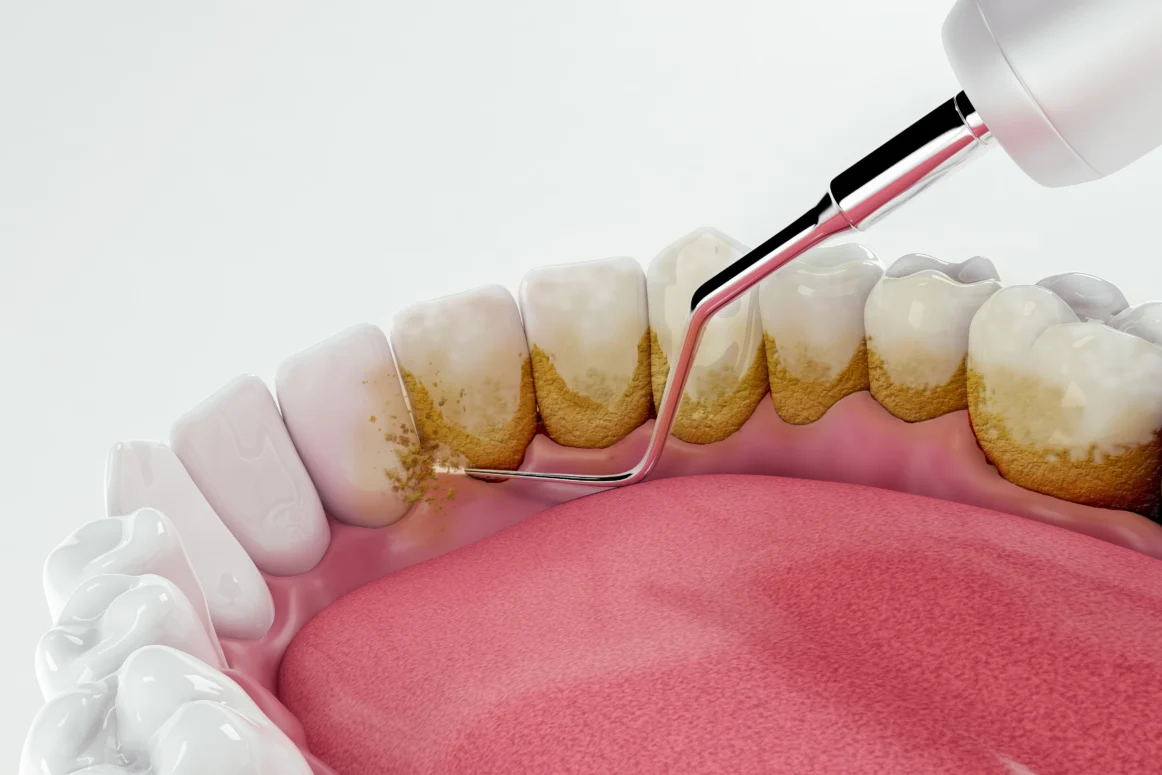
Tartar, also called dental calculus, is basically hardened dental plaque. Plaque is the soft, sticky film that forms on your teeth every day from bacteria, food, and saliva. If plaque isn’t removed with regular brushing and flossing, it starts to harden.
Once it hardens, it turns into tartar.
Tartar:
- Feels rough and hard
- Sticks firmly to teeth
- Often builds up near the gum line or behind the lower front teeth
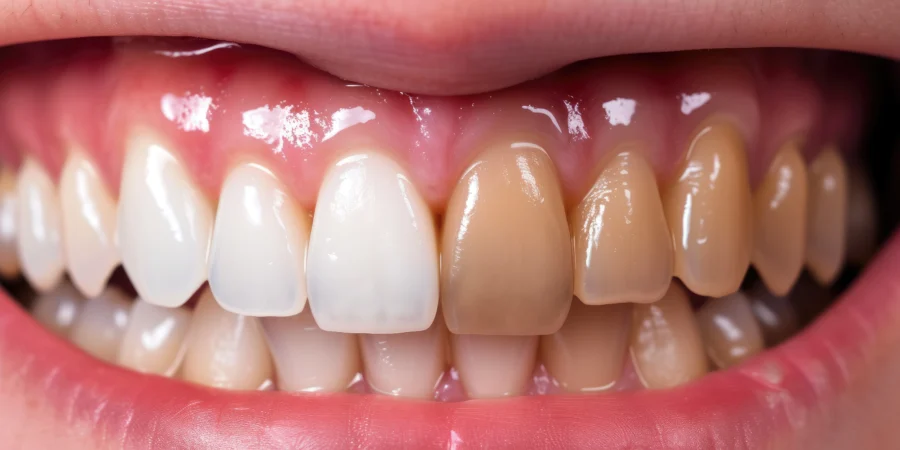
- Can look yellow, brown, or even dark
- Makes it easier for more plaque to stick
- Can irritate gums and contribute to gum disease and bad breath
According to sources like the NHS tartar cannot be removed by normal brushing once it has formed. That’s the key difference between plaque and tartar.
How Does Tartar Form?
Tartar doesn’t appear overnight. It usually follows this pattern:
- You eat and drink → plaque forms on your teeth
- If plaque isn’t removed regularly, it starts to harden
- Minerals in saliva help turn plaque into tartar
- Tartar builds up over time, especially in hard-to-clean areas
- Gums can become irritated, swollen, or start bleeding
Common reasons people get tartar buildup include:
- Inconsistent brushing and flossing
- Skipping regular dental cleanings
- Smoking or tobacco use
- Dry mouth
- Crowded teeth or hard-to-reach areas
Can You Remove Tartar from Teeth at Home?
The short answer: No, not safely and not completely.
Once plaque has hardened into tartar, it sticks tightly to the tooth surface. A toothbrush—even an electric one—can’t scrape it off. Floss can’t remove it either. And trying to chip it away yourself can damage your enamel or gums.
But what about brushing? Is it more effective in removing tartar? The answer lies in two facts:
- Brushing prevents plaque from turning into tartar
- Brushing does not remove tartar once it’s already there
So brushing is still extremely important—but it’s mainly for prevention, not for removing existing tartar.
What About Baking Soda, Oil Pulling, or “Natural Remedies”?
You’ll see a lot of claims online about:
- Baking soda
- Oil pulling
- Vinegar or lemon
- “Natural tartar removers”
Here’s the reality:
- These do not remove hardened tartar
- Some of them are abrasive and can wear down enamel
- Acidic methods can damage tooth structure
- Scraping tools at home can cut gums or chip teeth
In other words, these methods can do more harm than good.
How Do Dentists Remove Tartar?
This is where professional dental cleaning comes in.
When people ask how dentists remove tartar or how does a dentist remove tartar, the answer is: through scaling.
A dentist or dental hygienist uses special instruments to:
- Gently break tartar off the teeth
- Clean along the gum line
- Remove buildup between teeth
- Smooth the tooth surfaces so plaque sticks less easily
This process is safe, controlled, and designed to protect your enamel and gums.
Depending on how much tartar you have, this can be:
- A routine dental cleaning
- Or a deeper cleaning if there’s gum disease involved
In short, professional dental cleaning is the proper way to remove tartar from teeth.
It’s the only reliable and safe method once tartar has formed.
Tartar Before and After Dental Cleaning
People are often surprised by the difference.
Before tartar removal:
- Teeth may look yellow or brown near the gums
- Gums may bleed easily
- Breath may smell unpleasant
- Teeth may feel rough
After tartar removal:
- Teeth feel smooth again
- Gums often look less swollen
- Breath improves
- Teeth usually look cleaner and brighter
- It becomes easier to keep plaque under control
This is why regular professional cleaning plays such a big role in oral health.
Does Removing Tartar Loosen Teeth?
No. Tartar doesn’t hold your teeth in place.
What can happen is this: if someone has advanced gum disease, tartar may have been “hiding” bone loss or gum recession. Once the tartar is removed, the teeth might feel different—but the cleaning itself does not loosen healthy teeth. In fact, removing tartar helps protect your teeth and gums.
How to Prevent Tartar Buildup
Since tartar is hard to remove once it forms, prevention is the real goal.
Good tartar control habits include:
- Brush your teeth twice a day
- Use fluoride toothpaste
- Floss daily
- Consider an electric toothbrush
- Rinse your mouth after meals if you can
- Visit your dentist for regular cleanings
- Avoid smoking or tobacco use
These steps help stop plaque from turning into tartar in the first place.
So, if you are looking for a conclusion on how to deal with tartar, here it is:
- You cannot safely remove hardened tartar at home
- Brushing and flossing help prevent tartar, not remove it
- “Natural remedies” and scraping tools can damage your teeth and gums
- Dentists and dental hygienists remove tartar using professional tools
- Regular dental cleaning is the safest and most effective solution
When Should You See a Dentist?
If you:
- See or feel hard deposits on your teeth
- Have tartar behind your lower teeth or near your gums
- Notice bleeding gums or bad breath
- Haven’t had a dental cleaning in a long time
then a professional check-up and cleaning is the right next step.
At Dentspa Dental Clinic, you can book a free consultation to have your teeth and gums checked, talk through your options, and get a clear, honest plan for your dental care—without pressure.
Taking care of tartar early is one of the simplest ways to protect your gums, your teeth, and your smile for the long term.
Tartar Removal and Dental Care in Turkey
For many people, coming to Turkey for dental treatment isn’t just about getting tartar removed or having a cleaning. It’s also about the trip itself. You’re in a new place. You walk around. You eat different food. You see a different side of life. And somehow, that makes the whole dentist part feel less heavy.
At clinics like Dentspa Dental Clinic in Turkey, the treatment still comes first. The cleaning is done properly. The focus is on keeping teeth and gums healthy for the long run. But for a lot of international patients, there’s also something nice about not going straight back to your daily routine after the appointment. You step outside into a different city, a different culture, and for a few days the whole experience feels more like a trip than a medical chore. That’s exactly what finally makes people take care of their teeth in a less stressful environment.
Why Choose Dentspa Dental Clinic for Cleaning Tartar?Get Your Celebrity Smile in Three Days, Or It’s Free!
Dental care shouldn’t be rushed—especially when it comes to things like tartar removal, gum health, and long-term tooth stability. At Dentspa Dental Clinic, every patient starts with a proper examination before any treatment is planned. The dental team takes the time to look closely at:
- how much tartar buildup is present,
- the condition of the gums,
- the overall health of the teeth,
- and whether there are signs of gum disease, sensitivity, or other issues that need attention first
From there, treatment is planned carefully, not based on a one-size-fits-all approach. Dentspa works with a team of experienced dentists and specialists who use modern diagnostic and planning tools—such as digital scanning and detailed treatment planning systems—to make sure each case is handled with precision and common sense, not guesswork.
The clinic is equipped with up-to-date technology and follows strict hygiene and sterilization standards. This means treatments like professional cleaning and tartar removal are not only effective, but also safe, controlled, and as comfortable as possible.
With experience treating over 50,000 international patients, the team is used to handling everything from routine cleanings to more complex dental situations. Patients also benefit from a clear and organized process:
- treatment options are explained in plain language,
- costs and steps are discussed upfront,
- and the focus is always on protecting natural teeth and gum health long term—not quick fixes.
For patients coming from abroad, Dentspa also pays attention to the experience outside the dental chair:
- help with planning appointments and treatment schedules,
- clear communication in multiple languages,
- and an organized, calm environment that feels more reassuring than clinical.
The idea is simple: combine proper medical care with good planning, modern tools, and real attention to the patient—so dental treatment feels predictable, safe, and worth the journey.
Start with a Simple Check-Up
Tartar buildup is another dental condition that never solves itself, and it’s especially true that the longer you wait, the further it could potentially impact not only your gums, but also your teeth.
However, the positive news here is that it’s an issue which, with proper care, has the possibility of being managed.
If you’re unaware of how much tartar you have, or whether it’s something that a basic cleaning will take care of, the best place to start is a proper and in-depth examination.
At Dentspa Dental Clinic, you have the chance not only to set up a free consultation in which your teeth and gums will be assessed, but also to take full advantage of a clear and
honest discussion of the possibilities that are open to you, all with absolutely no pressure whatsoever. Taking care of tartar buildup may not seem like a big issue, but could potentially have a huge payoff in the long run.














 70%
70%