Table of content
Table of content
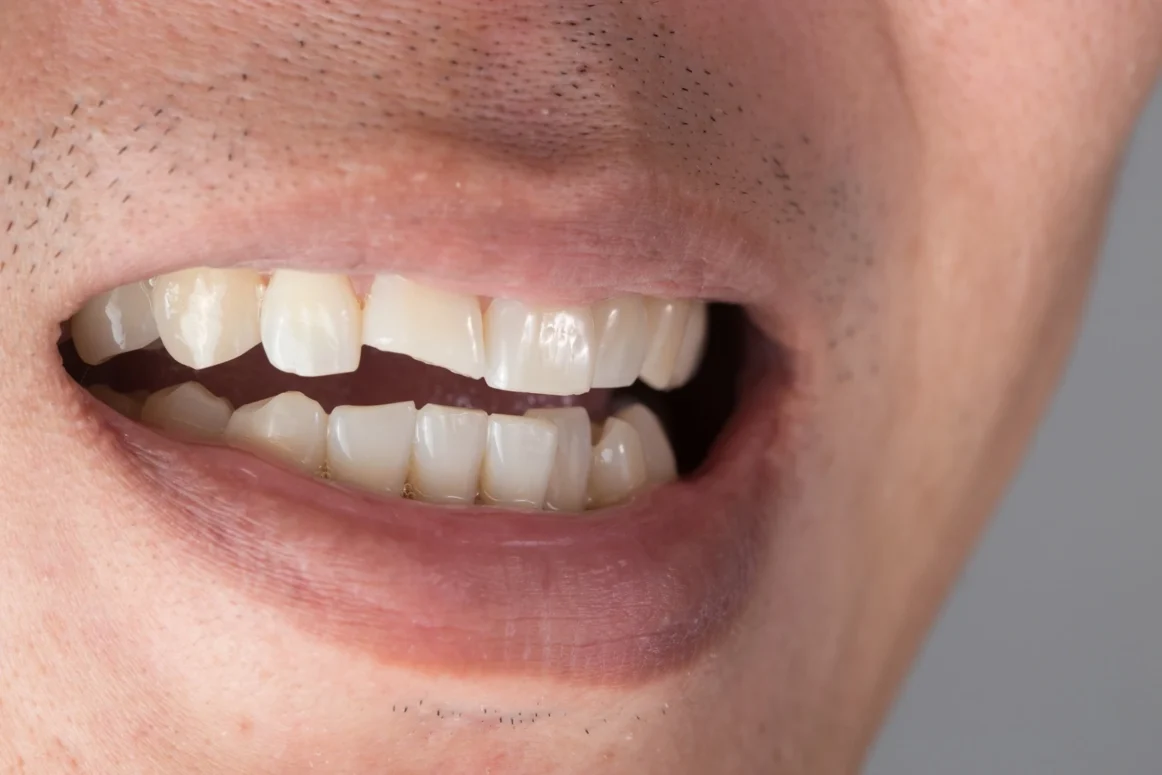
Chipping a front tooth usually doesn’t happen in some dramatic way. A lot of the time it’s something simple. You bite something hard. You trip. An old filling breaks. And suddenly there’s a piece missing from a tooth you see every time you look in the mirror.
That’s when the questions start. Can this be fixed quickly? Will it look normal again? Is this going to be expensive?
The good thing is, this usually isn’t a big drama to fix. These days, dentists deal with chipped front teeth all the time. There are a few different ways to sort it out, and most of them don’t take long. It’s not some long, complicated process. We’ll talk about the main options, what they’re actually good for, what people usually end up paying, and what it’s like to get it fixed—whether you do it near home or somewhere like Turkey.
So, What Actually Happens When You Chip a Front Tooth?
Front teeth are pretty strong, but they’re also the ones that get hit first. You bite something hard. You trip. Or the tooth’s just been worn down over time. A bit of it breaks off. Sometimes it’s just a tiny corner you barely notice. Other times it’s a bigger piece, and suddenly the tooth feels sharp or looks uneven every time you see it.
A chipped tooth can be:
- purely cosmetic, with no pain at all,
- slightly sensitive to cold or air,
- or, in more serious cases, painful if the inner part of the tooth is affected.
According to the American Dental Association (ADA) and the NHS, chipped teeth should always be checked by a dentist—not only for appearance, but to make sure the tooth is still healthy and protected from further damage or infection.
Do You Always Need to Fix a Chipped Front Tooth?
Not every chip is an emergency, but front teeth play a big role in both your smile and your bite. Even a small chip can:
- make the tooth weaker over time,
- catch on your lip or tongue,
- look noticeable when you smile or talk,
- or slowly get bigger if it’s left unprotected.
That’s why dentists usually recommend repairing chipped front teeth—not just for looks, but also to protect the tooth and keep it strong.
How to Fix a Chipped Front Tooth: Main Treatment Options
There isn’t just one way to fix a chipped tooth. The right choice depends on:
- how big the chip is,
- where it’s located,
- how healthy the tooth is,
- and what kind of result you want (quick fix vs long-term solution).
When a front tooth chips, dentists don’t usually jump to just one solution. There are a few ways they can fix it, and most of the time it comes down to one of three things: bonding, veneers (including Lumineers), or, if the tooth is in bad shape, a crown.
1. Composite Bonding for a Chipped Front Tooth
Composite bonding is usually the simplest way to deal with it. It’s the option dentists often pick when the chip isn’t huge and the tooth is still in decent shape.
The way it works is pretty straightforward. They take a tooth-colored material and basically rebuild the missing bit of your tooth right there. They shape it by hand, set it with a special light, and then smooth and polish it so it blends in. When it’s done properly, most people can’t even remember which tooth was chipped.
Why people choose bonding:
- Usually done in one visit
- No or very minimal tooth drilling
- Matches your natural tooth color
- More affordable than veneers or crowns
Things to keep in mind:
- Not as durable as porcelain
- Can stain over time
- May need touch-ups or replacement after a few years
Bonding is often ideal for small to medium chips and for people who want a quick, conservative repair.
2. Veneers for a Chipped Front Tooth
Porcelain veneers are thin shells that cover the front surface of the tooth. They’re custom-made to match your smile and are bonded permanently to the tooth.
They’re a popular choice when:
- the chip is more noticeable,
- the tooth also has color or shape issues,
- or you want a longer-lasting, highly aesthetic result.
Advantages of veneers:
- Very natural-looking
- Resistant to staining
- More durable than composite bonding
- Can improve shape and color at the same time
Things to consider:
- Usually require some enamel removal
- Cost more than bonding
- Are a more permanent solution
Lumineers are a type of ultra-thin veneer that sometimes need less tooth preparation, depending on the case.
3. Crowns (When the Damage Is More Serious)
If a large part of the tooth is broken, or if the tooth is weak, cracked, or has had a root canal, a dental crown might be the better option. A crown covers the entire tooth, restoring both strength and appearance.
Crowns are usually recommended when:
- the tooth structure is significantly damaged,
- there’s a risk of the tooth breaking further,
- or the tooth needs both protection and cosmetic repair.
How Fast Can a Chipped Front Tooth be Fixed?
Most of the time, it’s quicker than people expect.
If you’re going with bonding, it can often be done in one visit. You come in, they fix the chip, and you leave with your tooth looking normal again.
Veneers usually take a bit longer. There’s normally one visit to plan things and get everything ready, and another to place them. So it’s more than one appointment, but still pretty straightforward.
Crowns are similar. They often take two visits too, unless the clinic has same-day equipment that can make the crown right away.
If speed is what you care about—especially when it’s a front tooth you don’t want to keep hiding—bonding or veneers are usually the fastest ways to get your smile back to looking normal.
Is Fixing a Chipped Tooth Painful?
Honestly? Most people think it’s going to be way worse than it actually is.
If it’s just a small chip and they’re doing bonding, a lot of the time you don’t even get numbed. You feel the dentist working, sure. Some pressure. Some poking around. But pain? Not really.
With veneers or crowns, the tooth needs a bit of prep, so yeah, it can feel a bit sensitive. Nothing crazy though. And if it starts to bother you, they just numb the area and you’re fine.
Now, if the nerve is already involved, that’s a different story. In that case, they deal with that first (sometimes with a root canal) before fixing how the tooth looks. Once that part is sorted, the rest is usually pretty simple.
Most people leave the clinic kind of surprised. Like, “Oh… that’s it? I stressed about this for nothing.”
How Long Do These Repairs Last?
This depends on the type of treatment chosen by your dentist:
- Composite bonding: usually several years, with good care
- Porcelain veneers: often 10–15 years or more
- Crowns: can last many years, sometimes decades, depending on care
Good oral hygiene, avoiding biting very hard objects, and regular dental check-ups all help extend the life of any repair.
Cost to Fix a Chipped Front Tooth
The cost depends on:
- the treatment you choose,
- how complex the repair is,
- the materials used,
- and where you get treated.
When people ask about price, the honest answer is: it depends on what you end up doing.
If you go with bonding, that’s usually the easiest on the wallet. It’s a pretty simple fix, it doesn’t take long, and there’s no lab work involved, so the cost stays relatively low.
Veneers are a step up in price, but they’re also more of a long-term solution. They tend to hold up better over time and keep their look, which is why a lot of people don’t see them as a quick patch, but more as something they do once and enjoy for years. If you are looking for a comparison between bonding and veneers’ costs, you may find this article helpful.
Crowns are usually the most expensive route. There’s more work involved, more materials, and more steps from start to finish, so the price naturally goes up with that. You may get a real insight into what crowns’ exact costs look like here.
And if you’re in the US or the UK, you’ve probably noticed how fast cosmetic dental costs can climb—especially if your insurance isn’t helping out. That’s why some people start looking into getting a front tooth fixed in Turkey, where you can often get the same kind of treatment for a more reasonable price, without having to compromise on quality or materials.
For patients from the USA and UK, cosmetic dental treatment abroad has become a practical option—not just for cost reasons, but also for entertainment, experiencing a new culture and getting treated in a less stressful environment.
Why Choose Dentspa Dental Clinic for Fixing Chipped Front Teeth
When it comes to your front teeth and your smile, this isn’t something that should be rushed or treated like a quick fix. At Dentspa Dental Clinic, everything starts with actually looking at your tooth properly before anyone talks about treatment.
The dentist will take the time to check things like:
- how big the chip really is,
- what shape the enamel is in,
- how healthy the tooth and the gums around it are,
- and whether a simple repair is enough or if the tooth needs something more protective.
From there, the plan is built around you—not around some standard formula. Sometimes bonding makes the most sense. Sometimes a veneer or a crown is the better long-term move. The point is, the choice is made for the right reasons, not just because it’s faster or looks good in photos.
And because Dentspa has treated over 50,000 international patients, the team is very used to working with people who are traveling specifically for dental care—and making sure everything is clear, well planned, and stress-free from the start. Patients benefit from:
- clear explanations in simple language,
- transparent treatment planning,
- modern technology and strict hygiene standards,
- and an organized, calm environment that makes the process feel predictable and safe.
The focus is always on results that look natural and support long-term oral health—not just quick cosmetic fixes.
Start with a Simple Check-Up
If you’ve chipped a front tooth, the best thing you can do is honestly just have a dentist take a look at it. Sometimes it really is a small, easy fix and you’re done in no time. Other times, it’s smarter to go for something a bit more solid so you’re not dealing with the same chip again a few months later.
At Dentspa Dental Clinic, you can start with a free consultation. They’ll check the tooth properly, walk you through your options in plain language, and help you figure out what actually makes sense for you—no pressure and no sales talk. Fixing a chipped tooth early usually saves you a lot of trouble later on and helps keep both your smile and the tooth itself in good shape.
Frequently asked questions
What’s the best option for a chipped front tooth?
There isn’t one answer that works for everyone. A small chip might only need bonding. A bigger one might look better with a veneer. If the tooth is already weak, a crown can make more sense. It comes down to how bad the chip is and what you want the result to be in the long run.
Does dental insurance cover chipped tooth repair?
That really depends on your insurance. If the repair is seen as medical, some plans will cover part of it. If it’s mainly cosmetic, a lot of plans won’t. There’s no simple rule here—you pretty much have to check your own policy or ask the clinic to look it up.
Can a small chip be fixed in one visit?
Usually, yeah. If it’s a small chip, bonding is often a same-day thing. You come in with a chipped tooth, you leave with it looking normal again. If the damage is bigger, it just takes more work and more time.
How long does composite bonding last compared to veneers?
Bonding isn’t forever. It holds up for a few years for most people, then it might need fixing or replacing. Veneers last much longer. Ten years isn’t unusual. They also don’t stain as easily. The downside? They cost more. So it’s really about what you want long-term and what you’re okay spending.
Is fixing a chipped front tooth painful?
Most people expect it to hurt a lot. It usually doesn’t. If it’s just bonding, plenty of people don’t even get numbed. You feel some pressure, that’s about it. With veneers or crowns, the tooth needs a bit of work first, so yeah, it can feel a bit sensitive. But nothing crazy. And if it is uncomfortable, they just numb it and you’re fine.













 70%
70%