Table of content
Table of content
A lot of people come in with the same complaints:
“My gums bleed sometimes.”
“My breath isn’t great.”
And that’s kind of it. They live with it.
The problem is, periodontitis isn’t just that.
It’s not about “sensitive gums.” It’s an infection that slowly eats away at what’s holding your teeth in place — the gum and the bone. The annoying part is, you usually don’t feel how bad it is at the start. Most people don’t. Things feel more or less normal… until one day a tooth feels strange. Or your bite feels off. Or you notice gaps changing. And by then, some damage is already done.
That’s why treatment isn’t just “we’ll clean your teeth and you’re good.”
What actually matters is getting the inflammation under control and trying to protect what’s left of the bone and tissue. In some cases, dentists now talk about regenerative periodontal therapy. You might also hear about things like exosome therapy for periodontitis. This treatment is more like asking: can we give the body a better chance to heal when the damage is already there? For some people, that becomes part of a gum regeneration treatment plan.
What Is Periodontitis and Why Does It Cause So Much Damage?
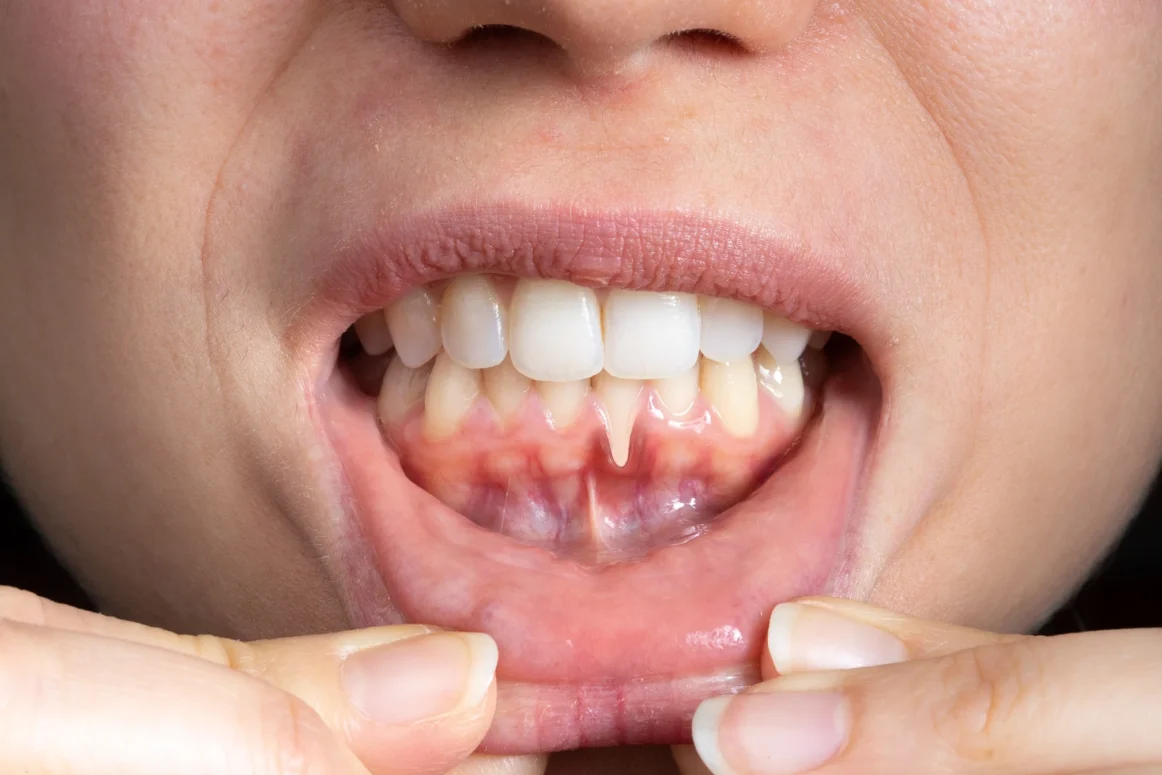
Periodontitis usually starts quietly. Plaque builds up, the gums get inflamed, and over time the infection moves deeper under the gum line. The body reacts with a chronic immune response, and that ongoing inflammation begins to destroy the tissues that anchor the teeth.
As this continues, you get:
- Loss of gum attachment
- Breakdown of the supporting bone
- Deep pockets around the teeth
- And eventually, tooth mobility
This isn’t just a surface problem. It’s a slow, progressive process that affects the entire support system of the teeth.
The Limits of Conventional Treatment
Standard treatment for periodontitis is still very effective—and still absolutely necessary.
This usually includes:
- Scaling and root planing (deep cleaning under the gums)
- Sometimes antibiotics to control infection
- In more advanced cases, surgical procedures to clean deep areas and reshape the tissues
These treatments are great at controlling infection and stopping further damage. But there’s an important limitation: stopping the disease is not the same as fully rebuilding what’s already been lost. Once bone and supporting tissues are gone, the body doesn’t always restore them on its own.
That’s where regenerative approaches come into the conversation.
Inflammation and Tissue Destruction: The Real Problem
The biggest enemy in periodontitis isn’t just bacteria—it’s chronic inflammation.
When inflammation stays active for too long:
- The body keeps breaking down connective tissue
- Bone resorption continues
- The attachment between tooth and gum weakens
- Healing becomes harder and slower
So, modern periodontal care doesn’t only kill bacteria, it works on calming the immune response and creating better conditions for tissues to heal.
How Exosomes May Support Gum Regeneration
This is where exosome therapy for periodontitis sometimes comes up in conversations. Not as a magic fix or a replacement for proper treatment. More like… extra help in cases where the gums have had a hard time healing on their own.
Exosomes are basically tiny signals that cells send to each other. Your body does this all the time when something is inflamed or injured. Exosomes are not new gum or new bone, and they don’t “build” anything by themselves. What they can do is nudge the cells around the area to behave a bit differently during healing.
That’s why dentists are looking at them in gum treatment. The thinking is pretty simple. They may:
- calm down inflammation that just won’t settle
- help the gum-repair cells, fibroblasts, do their job better
- support healing around the tissues that hold the tooth in place
- help soft tissue recover a bit more smoothly after treatment
In real life, periodontitis damages tissue over a long time. Tissue that’s been damaged for a long time doesn’t always heal perfectly, even after good cleaning or surgery. The whole idea here is to make the area a bit more “friendly” to healing instead of constantly fighting inflammation.
What Can Patients Realistically Expect?
This part matters a lot: regenerative treatments are only supportive.
Exosome-based approaches, where used, are:
- A complement to standard periodontal treatment
- Not a replacement for deep cleaning or surgery
- Not a guarantee that lost bone or gum will fully grow back
Good results still depend on:
- Excellent oral hygiene
- Regular professional maintenance
- Controlling risk factors like smoking or diabetes
- And treating the underlying infection properly
In other words, regeneration works best on top of good basics, not instead of them.
Safety Considerations and Who May Be a Candidate
Anything described as a “biological” or “regenerative” treatment needs proper medical control.
That means:
- Clear application methods
- Careful patient selection
- Proper clinical protocols
- And realistic expectations
Not every patient with periodontitis needs regenerative therapy. Many people do very well with conventional treatment alone. Regenerative approaches are usually considered in more advanced or difficult cases, where tissue healing is limited or the risk of progression is higher.
Why Many Patients Look to Turkey for Periodontal and Regenerative Treatments
When gum problems get serious, it usually stops being “just a cleaning appointment.” Suddenly there are scans, treatment stages, healing time, maybe even surgery. And at some point, a lot of people start asking a very normal question: Where should I actually get this done?
For many patients in Europe, the UK, and the US, Turkey comes up pretty quickly. They realize they can get the same kind of modern equipment and experienced specialists without the price getting out of hand.
Most of the cost difference isn’t about cheaper materials or cutting corners. It’s about lower running costs and a different healthcare system. That’s it.
And there’s also the human side of it. Instead of squeezing appointments into a busy life, some people prefer to plan everything as a short, organized trip. You get the treatment done, you actually have time to recover, and the whole thing feels less like a stressful medical race and a bit more… manageable.
Why Choose Dentspa for Periodontal and Regenerative Care?
Treating periodontitis — especially when regeneration is involved — isn’t about quick fixes. It’s about controlling the infection, protecting what’s still there, and giving your tissues the best possible chance to heal. That’s the approach at DentSpa.
In practical terms, this means:
Thorough diagnosis before any treatment
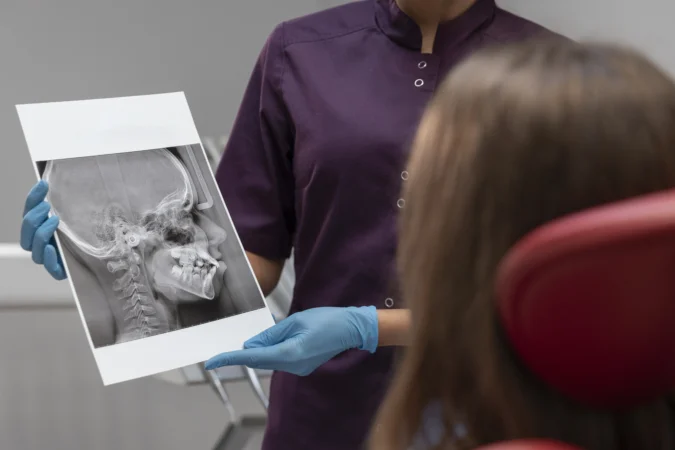
Your gums, bone levels, and overall oral health are checked properly using imaging and a full clinical exam. Decisions are based on what’s actually happening in your mouth — not guesswork.
Treatment plans built around your specific case
Periodontitis doesn’t look the same in every patient. DentSpa plans treatment step by step, based on how advanced the disease is and what your tissues really need.
Evidence-based use of regenerative approaches
Regenerative periodontal therapy and other biologically supportive techniques are used only when they make medical sense — not as a routine add-on and not just because they’re available.
Experienced teams and modern technology
Careful surgical techniques, modern imaging, and proper follow-up are part of making treatment safer and results more predictable over time.
Clear communication, especially for international patients
You get organized scheduling, clear explanations, and practical aftercare guidance — so you’re not left wondering what happens next.
The goal is simple: stabilize the disease, protect your teeth, and give your tissues the best possible chance to stay healthy in the long term.
So… Can Gum Tissue Really Be Regenerated?
In some cases, yes—partially and with the right approach. But it’s not an overnight fix, and it’s not guaranteed.
The real goal of regenerative periodontal therapy is:
- To stabilize the disease
- To improve tissue quality where possible
- And to protect teeth for the long term
Exosomes, if used, are best seen as a supportive tool within a broader treatment plan—not a shortcut, and not a substitute for proper periodontal care.
Because every mouth is different, the only real way to know what’s possible in your case is to have it properly assessed. If you’re dealing with gum disease or worried about tissue loss, you can book a free consultation at DentSpa Dental Clinic to get a clear, honest evaluation and a treatment plan that actually fits your situation.
Frequently asked questions
How much does gum regeneration treatment cost?
There isn’t one fixed price. It really depends on what’s going on in your mouth.
Some people only need something small. Others need surgery or grafts. That’s when gum regeneration treatment starts to cost more — because it takes more time, more work, and sometimes special materials.
A lot of patients look at treatment in Turkey because it’s often around 40–60% cheaper than in places like the US or the UK. That’s mostly because clinic and running costs are lower, not because the treatment is lower quality.
But honestly, the only way to get a real number is to get checked first. Once there’s an exam and a proper plan, then you can talk about the exact cost.
Is regenerative periodontal therapy effective?
For the right person, regenerative periodontal therapy can help improve healing and give better support to the teeth. It’s mainly useful when there’s been some bone or gum loss, but the area is still in a condition where the body can actually repair part of the damage.
How well it works depends a lot on how advanced the disease is, how good your oral hygiene is, and how well you follow the aftercare. In some clinics, newer options like exosome therapy for periodontitis may be added as part of a broader gum regeneration treatment plan, but even then, results vary from person to person.
How do you regenerate gum tissue?
You don’t start by “regenerating” anything. First, you fix the infection. If the gums are still inflamed, nothing is going to heal.
After that, it depends on how bad things are. Some people need a small procedure. Some people need a graft where the gum has pulled back. The point is just to give the tooth better support again.
In bigger cases, dentists might talk about regenerative periodontal therapy. That’s basically trying to help the area heal instead of just cleaning it and moving on. In some clinics, they also use newer options like exosome therapy for periodontitis as part of a gum regeneration treatment plan.
How much can you actually get back? That varies. A lot. It depends on how much damage there is and how your body heals.
What is the newest treatment for periodontitis?
There isn’t one new “magic” treatment that fixes periodontitis. Most of the time, dentists still start with the basics: cleaning the infection, calming the inflammation, and trying to keep as much of your own teeth and bone as possible.
What’s different now is that treatment isn’t only about stopping the problem. There’s more focus on regenerative periodontal therapy — meaning trying to help the damaged areas heal, not just keeping things from getting worse.
That can involve things like growth factors or special materials. And in some clinics, in more advanced cases, you might also hear about exosome therapy for periodontitis. For some people, it can be part of a gum regeneration treatment plan when there’s already been some bone or tissue loss.
What makes sense really depends on how much damage there is and how well your mouth can heal.
Can periodontitis be reversed?
If you catch it early, you can usually calm things down. The gums can stop bleeding, the infection can settle, and things can get back to a healthy, stable place with the right treatment and cleaning at home.
But if it’s already caused real damage — like bone or gum loss — that part usually doesn’t just grow back on its own. At that point, it’s more about stopping it from getting worse and keeping your teeth where they are for as long as possible.
Can gum tissue grow back naturally?
If it’s just irritation or swelling, yeah — that can settle down. You clean things properly, you brush better, the bleeding stops, the gums look healthier again. That’s just inflammation calming down.
But if you’ve already lost gum or bone, your body doesn’t really grow that back on its own. You can stop it from getting worse, but what’s gone is usually gone unless you do some kind of treatment to try to rebuild it.













 70%
70%