Table of content
Table of content
For years, dentistry was pretty straightforward. Something breaks, you fix it. Something’s missing, you replace it. And honestly, that still matters. A lot.
Regenerative dentistry just adds another way of thinking about it. Instead of only fixing the damage, the question becomes: can we help the body heal better on its own? That’s where things like stem cells in dentistry, exosome dental therapy, and other biological dental treatments come in. These are not shortcuts or hype. Instead, they work with how the body already heals, instead of fighting against it.
Repair vs. Regeneration: What’s the Difference?
Replacing something means putting in a crown, an implant, or a graft material. Regenerating something means helping the body repair or rebuild tissue itself, at least to some extent.
Your body already knows how to heal. It does it through:
- Cell-to-cell signaling (cells “talk” to each other during healing)
- Growth factors that guide repair
- Inflammation and remodeling phases that rebuild tissue over time
Regenerative dentistry tries to support these natural processes instead of only relying on mechanical solutions.
The Main Tools: What Dentists Actually Use
In real life, regenerative dentistry isn’t about ten different fancy technologies. It usually comes down to a few main things that are used to help the body heal better after surgery or treatment.
One of the most common is PRP (Platelet-Rich Plasma) or PRF (Platelet-Rich Fibrin). This comes from your own blood and is used to support healing and tissue repair. Dentists have been using this for a while, especially to help wounds settle and tissues recover more smoothly.
Then there are stem cells in dentistry. This is still a developing area. You’ll hear about it more and more, but right now it’s mostly used in research or in selected, more advanced cases where bone or tissue regeneration is a real challenge.
And then there are exosomes. Think of these as tiny signals that cells use to talk to each other. In exosome dental therapy, the idea isn’t to “add new tissue,” but to help guide how the area heals and how inflammation settles, so recovery can be smoother.
All of this falls under the same idea: biological dental treatments that support healing. They don’t replace good surgery or good planning — they just help the body do a better job once the treatment is done.
Where This Actually Helps in Real Life
You’ll most often see regenerative approaches used to support treatment in areas like:
- Dental implants (helping bone and soft tissue heal better)
- Bone regeneration after grafting
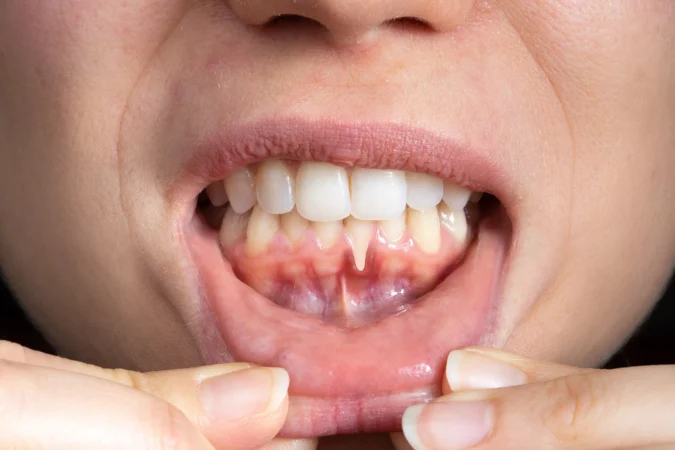
- Periodontal (gum) therapy
- Recovery after surgery
They don’t replace good surgery or good planning. They’re there to improve the healing environment.
What Patients Usually Notice
When these methods are used in the right cases, patients may experience:
- Smoother or faster-feeling recovery
- Better-controlled inflammation
- Support for natural tissue repair
- A more comfortable healing phase
The key word is support. These aren’t miracles. They’re tools that can make healing more predictable and manageable.
Where the Limits Are (And Why That Matters)
It’s important to be honest about this:
- Not every patient needs or benefits from regenerative methods
- Some techniques (especially stem cells and exosomes) are still being actively researched
- These treatments require proper medical judgment and experience
Regenerative dentistry is not a replacement for good diagnosis, good surgery, or good aftercare. It’s an add-on when it makes sense.
Looking Ahead: Where Regenerative Dentistry Is Going
Research is moving toward things like:
- Tissue engineering
- 3D bioprinting
- More personalized regenerative care
The long-term goal isn’t just to fix problems, but to restore function and tissue quality in smarter, more biological ways.
Why Many Patients Choose Turkey for Regenerative Dental Care
When dental treatment becomes more complex—implants, bone work, surgery, or regenerative support—people start thinking carefully about where to have it done.
For many patients from Europe, the UK, or the US, Turkey becomes an option not because they’re looking for something risky, but because they can get modern treatment at a more reasonable cost.
In many cases, dental care in Turkey is significantly more affordable due to lower clinic and operating costs—not lower standards. That makes advanced treatments, including regenerative approaches, more accessible.
There’s also a practical side: instead of squeezing recovery into a busy schedule, some people prefer to plan treatment as a short, organized trip where they can focus on healing properly.
Why Choose DentSpa for Regenerative Dental Care
Once someone decides to travel for treatment, the next question is simple: Where can I do this safely and properly?
At DentSpa, regenerative dentistry isn’t treated as a trend. It’s used in a careful, case-by-case way, always on top of solid diagnosis and standard treatment.
In practice, that means:
- They start with proper evaluation
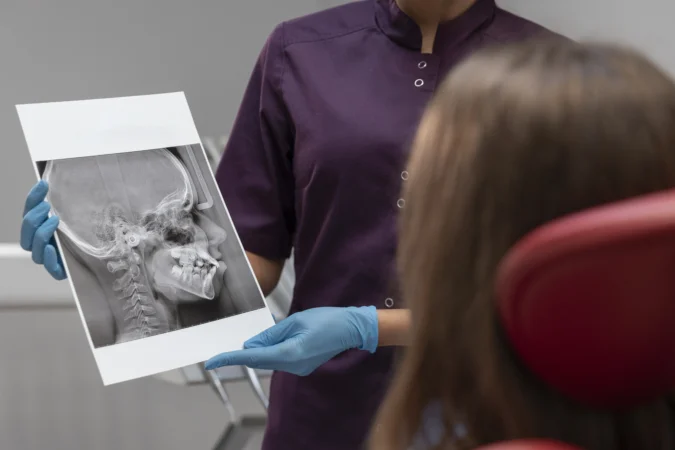
Your mouth, bone levels, and overall oral health are checked with imaging and clinical exams. Decisions are based on real findings, not assumptions. - Your plan is built around you
Some cases are simple. Some aren’t. Your treatment is shaped by what you need, not a fixed package. - Biological treatments are used only when they make sense
Regenerative options aren’t added “just because.” They’re used when there’s a clear medical reason to use them. - The work doesn’t stop after surgery
Planning, technique, and aftercare all matter. Healing is treated as part of the treatment—not an afterthought. - Communication is clear, especially for international patients
- You’re told what’s happening, when it’s happening, and what to do after. No guessing, no confusion.
The goal is simple: help you heal properly, protect the result, and make recovery as smooth as possible.
A Smarter Way to Support Healing
Regenerative dentistry isn’t here to replace normal dental treatment. You still need good diagnosis, good planning, and good work. This just adds another layer on top of that — ways to help your body heal a bit better when it makes sense to do so. Things like PRP, stem cells, or exosome dental therapy aren’t miracles. They’re tools. In the right cases, they can make healing smoother and recovery a bit easier. In the wrong cases, they don’t add much — and that’s okay too.
If you’re thinking about dental treatment and wondering whether any of this actually applies to you, the simplest step is to just ask. You can book a free consultation at DentSpa Dental Clinic, get your situation looked at properly, and talk through what makes sense and what doesn’t. No pressure, no sales talk — just a clear explanation of your options and a realistic plan for moving forward.
Frequently asked questions
Who is a good candidate for regenerative dental therapy?
It’s usually people who don’t heal that easily, or who’ve lost some bone or gum and need a bit more help than usual. But it’s not something everyone needs. A lot of people do just fine with normal treatment.
It really depends on what’s going on in your mouth and your general health. That’s why you can’t decide this from a website. You need a professional to actually look at your case and tell you if it’s worth it or not
Is regenerative dental treatment expensive?
Sometimes, yes. It can cost more than regular treatment because there are extra steps and extra materials involved. But it really depends on what you actually need. Some people don’t need anything fancy at all, others do. The only way to know is to look at your case and see what makes sense, instead of paying for things you don’t really need.
Are stem cells commonly used in dentistry?
Not really. You won’t see them in normal, everyday dental treatment. Most of the time, stem cells are still used in research or in a few advanced, special cases. The field is moving forward, sure—but for most patients today, stem cells just aren’t a standard part of treatment yet.
What is the difference between PRP and exosomes?
PRP (or PRF) comes from your own blood. It’s basically a concentrate of things your body already uses to heal, so dentists use it to help wounds and tissues recover after surgery.
Exosomes are different. They’re more like tiny signals that cells use to “talk” to each other. Instead of just adding healing factors to the area, the idea with exosomes is to help guide how the tissue reacts and heals. So, both are about supporting recovery — they just do it in different ways.
Is regenerative dentistry proven?
Some parts of it are, yes. Things like PRP or PRF have been used for years to help with healing after surgery, and they’re pretty well established. Other areas — especially stem cells and exosomes — are still being researched and refined.
So, in real clinics, this stuff isn’t treated like magic. It’s used carefully, in selected cases, and with realistic expectations. Think of it as tools that can help in the right situation, not guaranteed fixes and definitely not miracles.
What is regenerative dentistry?
It’s just dentistry that tries to help your body heal better instead of only fixing things with materials. Normally, if something’s damaged, we fill it, crown it, replace it, or graft it. And that’s still important — that’s not changing.
Regenerative dentistry adds another idea on top of that. In some cases, instead of only putting something artificial in, the dentist might use treatments that help your gums or bone recover more naturally after surgery or disease. Sometimes healing goes better when the body gets a bit of extra support.






 70%
70%