Table of content
Table of content
Most people don’t suddenly notice something wrong with their teeth.
It usually starts small. The edges look a bit clearer in photos. Your smile doesn’t look as bright as it used to. Or your dentist casually mentions that your enamel is thinning.
And then, of course, you go home and look in the mirror and think:
“Wait… why do my teeth look see-through?”
If this is happening to you, you’re not being paranoid — and you’re definitely not alone. We see this concern every day, and in most cases, it has a very clear explanation.
So let’s talk about what’s really going on.
What Does “Transparent Teeth” Actually Mean?
Teeth aren’t naturally solid white. They’re layered.
The top layer, called enamel, is slightly translucent. Under it is dentin, which is darker and gives your teeth their natural color.
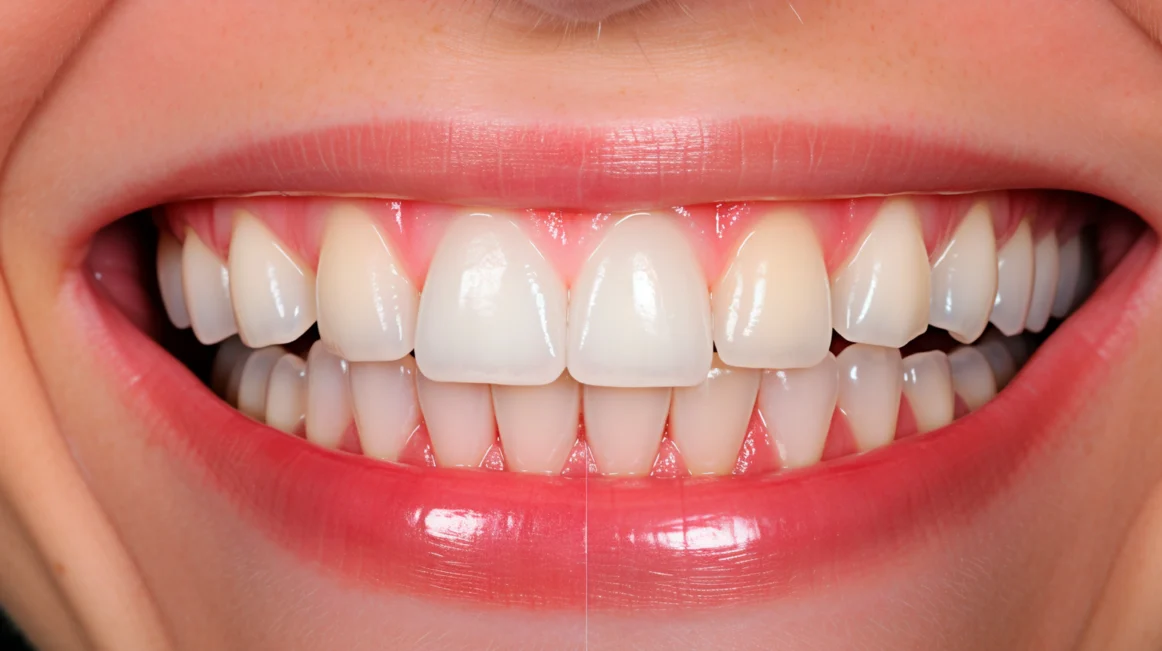
When enamel gets thinner, more light passes through it. That’s when teeth start to look:
- clear at the edges
- slightly grey or glassy
- less bright even after whitening
So when people say their teeth are becoming transparent, what they’re usually seeing is enamel wearing down.
And here’s the important part: according to the NHS, once enamel is gone, your body can’t replace it. That’s why dentists take this seriously and don’t treat it as “just cosmetic.”
So… Why Are My Teeth Transparent?
Usually, it’s not one big problem. It’s small things happening again and again over time.
Acid Is the Biggest Culprit
Anything acidic softens enamel. If that happens often, enamel slowly wears away. This includes:
- soda and energy drinks
- citrus fruits and juices
- lemon water
- vinegar-based foods
- wine
Even habits that feel healthy can cause problems if they’re repeated daily without giving enamel time to recover.
Acid Reflux Can Damage Teeth Without You Noticing
If you have acid reflux, stomach acid can reach your mouth, especially while you sleep. That acid is much stronger than food acids and can quietly damage enamel over time.
Many patients are surprised when we tell them their teeth are showing signs of reflux before they even notice serious stomach symptoms.
Some People Start With Weaker Enamel
Not all enamel is the same. Some people are born with enamel that didn’t fully develop, a condition called enamel hypoplasia. It can be linked to:
- childhood illness
- nutritional deficiencies
- certain medications
These teeth may look slightly transparent from early on and become more noticeable with age.
Medical Conditions Can Play a Role Too
Conditions that affect nutrient absorption, like celiac disease, are also linked to enamel problems. When the body doesn’t absorb minerals properly, teeth can be affected.
Yes, Even Brushing Too Hard Can Contribute
We see this more often than people think.
Hard brushing and strong whitening toothpastes can slowly wear enamel, especially at the edges and near the gums. Clean teeth don’t need pressure — they need the right technique.
Why Are My Teeth Clear at the Bottom or Edges?
This question comes up in almost every consultation.
The edges of your teeth naturally have less enamel, so that’s where thinning becomes visible first. Add normal wear and acidic exposure, and that’s usually where transparency shows up.
That’s why most people notice it at the bottom of the teeth before anywhere else.
Can I Fix Transparent Teeth?
The honest answer is you can’t grow new enamel — but you absolutely can protect your teeth and improve how they look.
What’s right for you depends on how much enamel is already lost.
If the enamel is only starting to weaken, the focus is on protecting what’s still there:
- professional fluoride treatments
- reducing acidic foods and drinks
- rinsing with water after acidic meals
One small but important habit:
don’t brush right after drinking something acidic. Give your teeth about an hour before brushing.
If the transparency is already visible and bothering you, dentists may suggest:
- composite bonding to rebuild thin edges
- careful whitening only if it won’t make the problem more noticeable
When enamel loss is more advanced and teeth are fragile, then treatments like:
- dental veneers
- dental crowns
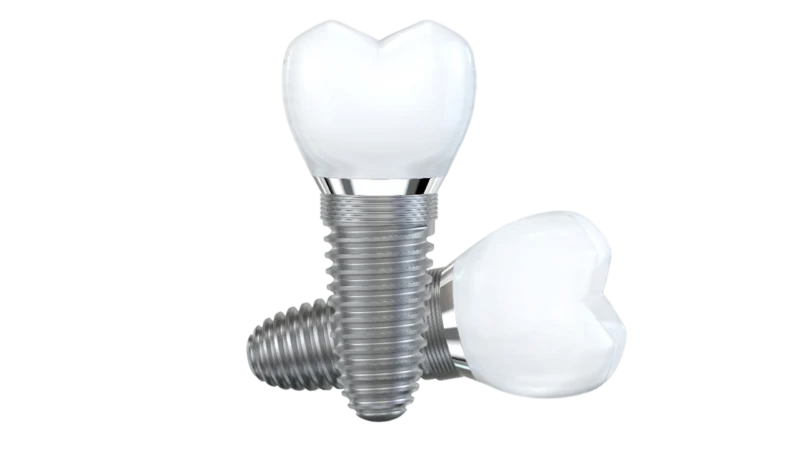
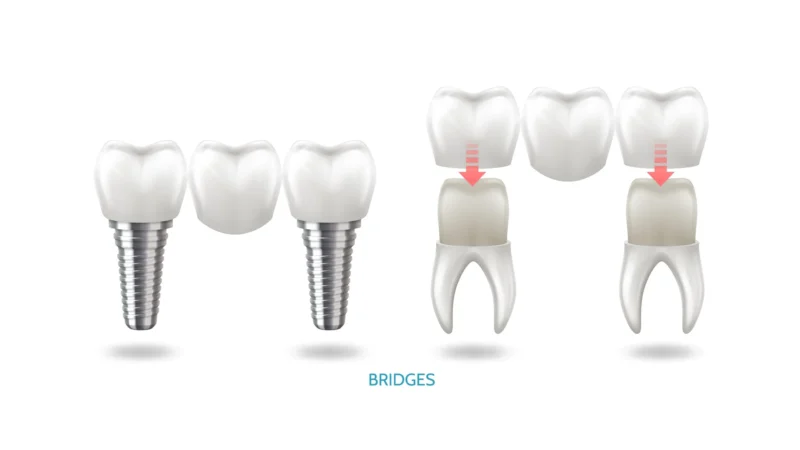
These may be needed to restore both strength and appearance. In cases of severe damage or missing teeth, dental implants may be part of the plan.
At that point, treatment isn’t just about looks — it’s about protecting the tooth from breaking or decaying.
How to Stop It From Getting Worse
No matter which treatment you choose, protection is key.
Most dentists will tell you to:
- brush gently with fluoride toothpaste
- drink water after acidic foods and drinks
- manage acid reflux if you have it
- avoid overusing whitening products
- keep regular dental check-ups
These small habits really do make a big difference over time.
When Is It Time to See a Dentist?
If you notice:
- growing transparency
- sensitivity
- chipping at the edges
- color changes that don’t improve
Don’t wait. Early treatment usually means simpler, more conservative solutions.
Once you reach that point, the next question many people start thinking about is not just when to see a dentist, but where — and what kind of experience they want while getting treated. For some, it’s about convenience. For others, especially when cosmetic or restorative care may be involved, it’s about finding a place where they can get proper diagnosis, clear treatment planning, and enough time to recover comfortably.
This is one of the reasons Turkey has become such a popular destination for dental treatment. Patients come from all over the world for the combination of advanced dental technology, highly experienced clinicians, and organized care designed around international visitors. Treatment schedules are planned carefully, appointments are not rushed, and patients often have time between visits to rest and recover — making the whole process feel far less stressful than trying to fit complex dental care into a busy routine.
Why Many Patients Choose DentSpa
Patients who come to DentSpa often say they were not just looking for a clinic — they were looking for confidence, clarity, and care they could trust. Here’s what usually makes the difference for them:
- Nothing is rushed into
Before any treatment begins, your case is carefully planned using tools like Digital Smile Design and Dental GPS, so you can clearly see what’s being done and why. The plan is built around your own face, your bite, and your real dental needs — not a standard template. - Experience makes a difference, especially for international patients
DentSpa has treated 50,000 patients from abroad over the years, which means the team is very familiar with complex cases, short travel timelines, and making sure every detail is handled properly. - Quality is recognized beyond patient reviews
DentSpa was named Best Clinic in Dentistry in Europe at the European Awards in Medicine 2024, reflecting strong clinical standards and consistent patient trust. - You’re supported throughout the whole journey, not just in the chair
From airport transfers to well-organized appointments and clear communication, the aim is to make the process feel calm and straightforward, not stressful or confusing. - Long-term tooth health always comes first
Treatments are chosen to protect natural tooth structure, support proper function, and keep results stable over time — not just to create a quick cosmetic change.
For many patients, this combination of medical expertise, advanced planning, and genuine attention to comfort is what turns dental treatment into a positive experience instead of something they’ve been postponing for years.
Protecting Your Enamel, Protecting Your Smile
In case you observe that your teeth have started to become translucent, then this is an indication that your body is giving you hints that you have to take care of your tooth enamel. Tooth enamel cannot be regrown; however, taking proper care of your teeth will allow you to maintain them in such a way that your teeth again become strong to the point that your natural shine returns.
What is most important is to disregard the signs and symptoms and to pick a team that treats the condition, not the promise. With the proper treatment, your smile is maintained for years to come.
Are you interested in learning more about what is happening within your enamels and what you might do about it? A consultation is the first step.
Book you free online consultation now, and get a chance to put your smile in our smile gallery.
Frequently asked questions
Why are my teeth transparent? (and should I be worried?)
If the teeth appear transparent, it might mean that they have thin enamel, but this does not mean that damage has not been incurred yet. In most instances, it is an indicator that warns one to treat it conservatively if it is tackled in good time. Yet, if there is an advancement of transparency with sensitivity or chipping, it might mean that the teeth have become weak and susceptible to decay or breakage. It is essential to visit a dentist early so that an identification of the cause can be made and tackled before more drastic procedures have to be involved. Though transparent teeth seem common, they should not be overlooked, especially when fresh.
How to fix transparent teeth?
Transparency of the teeth can be demonstrated and dealt with, first by finding what has caused the problem, which can be solved by limiting acidic foods, eliminating remedies for reflux that can be taken at home, brushing with a lighter touch, or taking action to deal with grinding by using a dental night guard if needed. The already lost enamel will no longer be able to re-grow, but for the remaining enamel, a dental expert is able to strengthen it through a high-fluoride application program.
If, due to the effects of transparent teeth, a cosmetic issue exists with regard to esthetics, a procedure such as bonding can be employed to thin down edges, whereas veneers or crowns may be required for more severe conditions. What may be required can be determined by the amount that has been lost, especially if they are at a risk due to structural integrity.
Why are my teeth transparent at the bottom?
When individuals are able to see transparency particularly through their fronting tooth surfaces, it is likely due to increased stress on these surfaces.
The biting surfaces are constantly subjected to contact with consumption, as well as grinding, which increases the wear of enamel. Simultaneously, it is likely for acidic substances, whether through beverages or food, to wash over these surfaces, particularly if patients are sipping frequently. Because these surfaces already have naturally thin enamel, erosion, regardless of how minor, may manifest within these regions before it does anywhere else on the tooth surface. Even if edge transparency is, or may appear to be, normal, increasing transparency is likely due to a loss of enamel, alerting the dentist to applicable protection or repairs.
Why do I have clear teeth at the bottom?
The edges or bottom part of the front teeth are most likely to be the first to exhibit the effects of transparency because this is where the enamel is thin in the first place.
There is also little dentin to prevent the entry of light, making the edges appear transparent when the enamel wears away due to constant use. Related personal habits such as consuming acid foods, grinding the teeth, or vigorous brushing can accelerate the effects in thin edges first. This explains why many people experience transparent edges while still having normal teeth. Sharp edges or edges that chip or are sensitive can also signal the acceleration of the loss of enamel.
Why are my teeth looking transparent?
It’s usually indicative that the enamel layer has started to wear out. The enamel is the hard layer that allows teeth to withstand physical pressure and stress but is already semi-translucent. Meaning, wear and tear of the enamel results in light passing through it with much more ease, thus letting the darker part of the tooth appear underneath. In this case, it would seem like the edge has begun to clear up or become glass-like.
This is not usually something that happens overnight. Things such as drinking too many acidic foods, having heartburn or reflux, grinding your teeth in your sleep, and brushing your teeth too aggressively can be taking away your enamel over a long period without your noticing.
Others may also be more prone to this condition right from birth. Perhaps their enamel is thin or they had problems with their enamel when they were children, or they might have health conditions that prevent their bodies from absorbing nutrients properly which would also help weaken their teeth.
Therefore, when this change happens, that does not imply that something went wrong. In most cases, it’s the result of long-term wear that’s only becoming visible now.













 70%
70%