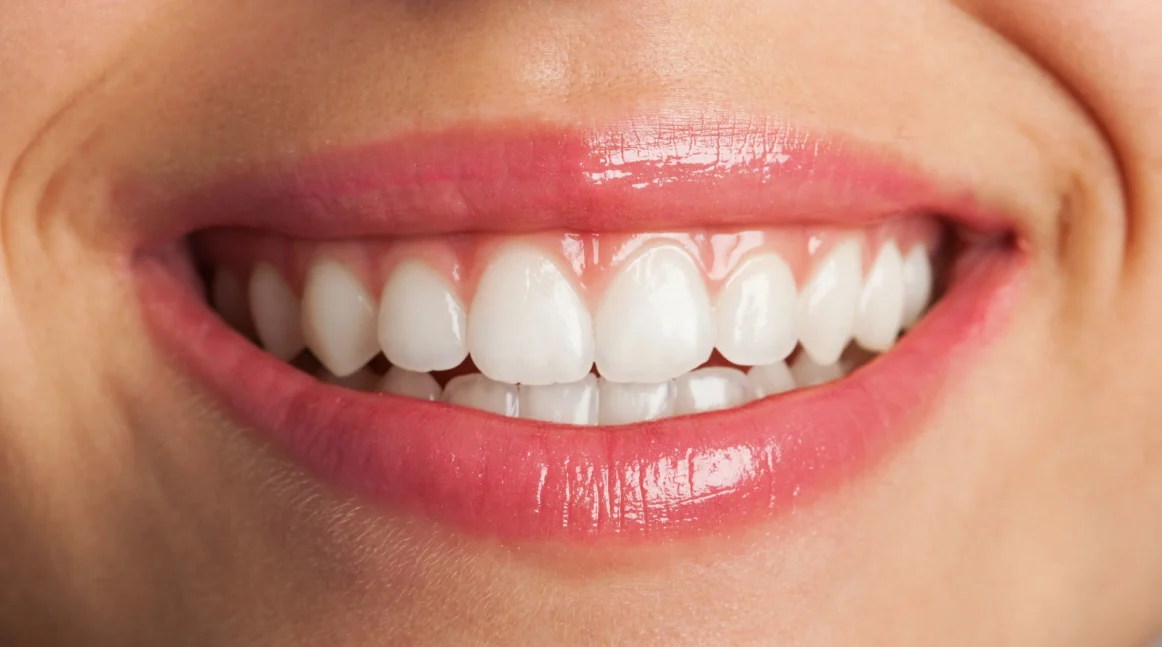
Beneath your hard teeth, there is a 24/7 biochemical battle going on in your mouth that you probably don’t know about. On one side, acids and bacteria are working tirelessly to break down the minerals that makes up your enamel.
On the other side, your body is fighting back, using minerals like calcium and phosphorus to repair the damage and keep your teeth strong. This natural repair process is called tooth remineralization.
Now, when mineral loss happens faster than your body can replace it, your enamel starts to weaken. This can lead to white spots on your teeth and, eventually, cavities.
The good news, however, is that this is still fixable. If you give your mouth the right environment and tools, you can help stop early tooth decay and strengthen your enamel before the damage goes too far.
Common causes of enamel demineralization
Before we get into the tips for demineralizing your teeth, it is important to know what causes enamel to break down in the first place.
Poor oral hygiene
If you don’t brush or floss regularly, plaque can build up in your teeth cavity and produce acids that gradually erode your enamel.
Frequent consumption of an acidic diet
Soda, sports drinks, citrus fruits, and even coffee are highly acidic, and if you take them frequently and in excess, they can strip the protective barrier off your enamel.
Teeth whitening
Teeth whitening itself isn’t necessarily bad, especially when done properly. However, overusing whitening products or using poorly formulated products without professional guidance can irritate the teeth and potentially contribute to enamel damage.
Prolonged usage of hard-bristled toothbrushes
Hard bristles are not automatically harmful, but prolonged use, especially with excessive pressure, can contribute to enamel wear and gum recession.
Poor brushing technique
Brushing harder doesn’t mean brushing better. When you brush way too aggressively, your enamel surface starts to disintegrate and over time, demineralization will commence.
Signs Your Teeth are Getting Demineralized
Catching enamel damage early is the key to avoiding the dentist’s intervention. Some common signs to look out for include:
Visible chalky white spots
Chalky white spots on the surface of the tooth are usually dull in color and are the first visible indication of demineralization of the enamel. These white spots are typically an area where the enamel is porous; however, it is not yet developed into a hole. The good news is, natural reversal of the demineralization is still possible at this stage.
Tooth sensitivity
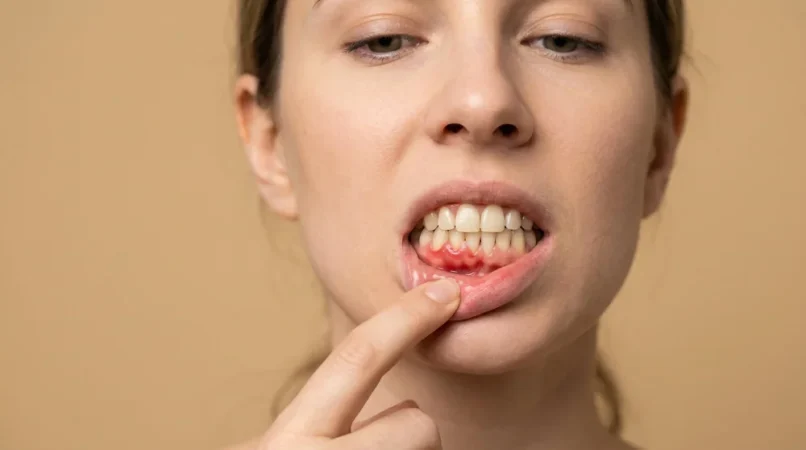
Sharp pain when you consume hot, cold, or sweet foods/drinks is evidence that there may be issues with your enamel. This occurs most commonly as a result of the thinning of the enamel layer, allowing for exposure of the underlying dentine, which creates potential for sensitivity.
Teeth discolouration
Enamel doesn’t really have its own color—it’s kind of see-through. What gives your teeth that yellowish look is actually the dentin underneath, which is naturally yellow. So, if your teeth start looking more yellow than before, chances are your enamel’s getting thinner.
Rough or jagged edges
If the texture of your teeth suddenly feels rougher than usual or you notice small chips, cracks, or uneven edges, this could be an indication that the protective outer layer of your teeth is gradually losing its strength.
How to Remineralize Your Teeth Naturally
You can support your enamel’s natural remineralization process through some home remedies, such as:
Brushing your teeth regularly
Brushing and flossing every day does more for your teeth than you might think. Not only does it help with a bunch of dental problems, but it actually helps restore some of the minerals in your enamel. Just make sure you brush at least twice a day—once in the morning and again before bed.
Using fluoride toothpaste
When buying a toothpaste, check if it contain fluoride. This mineral is the primary ingredient responsible for strengthening tooth enamel and preventing cavities. Make sure that the toothpaste’s fluoride content is around 1,000–1,450 ppm and it carries the TDB (Türk Diş Hekimleri Birliği) seal of approval.
Reducing sugar intake
Consumption of sugary food and drink products should be reduced as well. Bacteria present within a person’s mouth utilize consumed sugars for food. The result is acid production by the bacteria; which attacks the tooth enamel. After consuming something containing sugar, use water to rinse your mouth so you remove some of the excess sugars and acid.
Chewing sugar-less gum
New research have shown that sugar free gum may be able to benefit your oral health. Most sugar-free gums have Xylitol and Sorbitol. These minerals are both good at washing away food particles from your teeth, and they are also very good at neutralizing acids found in your mouth.
Drinking more water
In addition to helping your kidneys function at their best, maintaining adequate hydration has many benefits for your teeth. Since water is a naturally occurring, sugar-free substance, it helps wash out food residue as well as sugars and acids that may be present in your mouth. As you drink enough water on a regular basis, this will support saliva production. Saliva protects tooth enamel by facilitating the body’s normal remineralization of tooth enamel.
Addressing dry mouth
Your saliva is doing much more for your teeth than you likely realize. Saliva in your mouth aids in neutralizing the acids produced through bacterial activity and through eating. Additionally, saliva creates a thin film coating on your teeth (the pellicle) which provides additional protection against acidic attack to your enamel.
If your mouth is normally dry do not neglect this symptom. Drinking plenty of water during the day and chewing sugar free gum can help stimulate the production of saliva in your mouth.
Eating food that has the right mineral
Another alternative for supporting the remineralization of your teeth is through eating food with high levels of Calcium, Vitamin D, and Phosphorus.
These are the nutrients that help keep your teeth strong enough to repair and replace damaged or weakened tooth enamel. Foods that contain a lot of the nutrients mentioned above include eggs, nuts, fish, sardines and many types of green vegetables.
Professional Enamel Remineralization Treatments
If at-home care fails to stop enamel demineralization, it may be time to see a dentist for professional treatment. Some of the available treatments include:
Fluoride Varnish
A fluoride varnish is an extremely high concentration coating that a dentist will apply to the tooth (surface) when there has been some early stage enamel erosion. The coating contains about 22,600 parts per million (ppm) of fluoride and acts as a protective barrier for the enamel giving it long-term protection.
Silver Diamine Fluoride (SDF)
The SDF (Silver Diamine Fluoride) treatment involves applying an effective liquid solution on the surface of the tooth with active caries so as to stop its progression and initiate the remineralization process. The SDF treatment is often used for children or adults who cannot undergo traditional restorative procedure.
Medication Trays
These are custom trays specially designed to hold remineralizing agents such as fluoride gels, MI Paste and many others. They are typically worn over the teeth, allowing the agents to be applied directly to the enamel and support the remineralization process. They are mostly used at night because that is the time saliva flow naturally decreases.
Frequently asked questions
Can lost enamel grow back?
Can baby teeth be remineralized?
Can teeth remineralize with braces on?
How long does it take to remineralize teeth?
Does remineralization reduce tooth sensitivity?
Get Professional Remineralization Treatment at DentSpa Today
If you’ve tried to restore your enamel at home but see little difference, perhaps it is now time to seek the assistance of professionals. At DentSpa, we can assess your teeth and determine which type of therapy is most suitable for you.
It doesn’t matter if your enamel damage is just starting or if things have gotten more serious, our dentists are trained to treat all types of problems. We use the latest technology and techniques to identify potential issues and provide you with the necessary treatment as soon as possible.
Headquartered in the heart of Istanbul’s bustling district of Şişli, DentSpa doesn’t look or feel like your usual dental office. We have created a calm, welcoming environment where you can feel comfortable from the moment you walk through the door.
Beyond this, our commitment to quality has also earned us lots of global recognition. This includes the 2025 Straumann Achievement Award as well as the Global Healthcare Accreditation (GHA) Certification. These recognitions not only the standard of our clinical care, but also our commitment to making the entire experience comfortable for those traveling internationally to receive treatment at one of our clinics, we realize traveling abroad for dental services may seem daunting. Therefore, our travel/tourism program has been developed with this in mind and we will do everything possible to make your experience stress-free. We will assist with getting you from the airport to your accommodations; manage all of your appointments during your visit; and be available to answer any questions or concerns you have throughout your stay.
With that said, if you are considering professional dental care in Istanbul, book an appointment with DentSpa today and discover what it feels like to receive care that is built around you.














 70%
70%