
Table of content
Table of content
After dental surgery, people usually don’t start with big, technical questions. It’s more like: How long is this going to hurt? When will the swelling go down? When can I eat normally again?
Whether it’s a tooth out, wisdom teeth, an implant, or a bone graft, everyone wants the same thing — to heal properly, and if possible, to get back to normal a bit faster without causing problems.
The truth is, your body already knows how to heal. Most of the time, it does a pretty good job. What’s changed is that there are now ways to support that process, so recovery can feel a bit easier and less drawn out.
Before getting into that, it helps to know what “normal” healing actually looks like.
What Is a Normal Recovery After Oral Surgery?
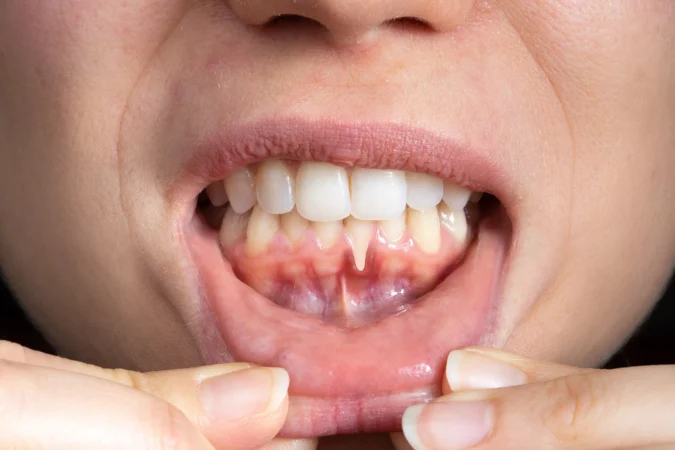
Right after surgery, your body goes into repair mode. That’s when you’ll usually notice:
- Swelling
- Some pain or soreness
- Mild bleeding
- A feeling of pressure or tightness
This is normal. It’s part of the inflammatory phase of healing. Over the next days and weeks, swelling goes down, the tissue closes, and the area slowly becomes stronger.
Most patients are really trying to:
- Reduce swelling after tooth extraction
- Get back to daily life faster
- And support faster implant recovery or smoother healing after surgery
How Oral Wound Healing Actually Works
Healing isn’t random. Your body follows a clear process:
- The inflammatory phase
This starts immediately. The body cleans the area and starts the repair process. Swelling and redness are part of this step. - The tissue formation phase
New tissue starts to grow. The gums begin to close and stabilize the area. - The remodeling phase
Over time, the tissue becomes stronger and more organized. This is the long-term strengthening stage.
Problems usually happen when something slows one of these phases down.
Factors That Can Delay Healing
Some things make recovery slower and more difficult, such as:
- Smoking (reduces blood flow and oxygen to tissues)
- Diabetes (can slow healing and increase infection risk)
- Age (healing can take longer)
- Poor oral hygiene (more bacteria = more inflammation)
This is why good aftercare matters just as much as the surgery itself.
Regenerative Support Options
Alongside good surgical technique and proper aftercare, some clinics use biologically supportive treatments to help the body heal more efficiently.
These don’t replace normal treatment. They support it.
Examples include:
- PRP / PRF (using your own blood components)
- Exosomes
- Stem-cell-derived products
The goal is simple: create a better healing environment, not force the body to do something unnatural.
How Exosomes May Help Speed Up Healing
Exosomes are tiny messengers that cells use to communicate during inflammation and repair. Your body already uses them when something is injured.
In dental surgery, the idea behind using them is practical, not magical:
- They may help calm excessive inflammation
- They may support better tissue repair
- They may help improve blood supply to the healing area
In real life, that can mean:
- Swelling may settle more smoothly
- Soft tissue may heal more comfortably
- The surgical site may stabilize a bit faster
This doesn’t mean no pain and no swelling. It means supporting the normal healing process so it runs more smoothly.
Where These Supportive Treatments Are Used
Regenerative approaches may be considered in cases like:
- Tooth extraction: After a tooth is removed, supportive regenerative treatments may help stabilize the socket and support faster tissue healing.
- Wisdom tooth surgery: These treatments may be used after surgical removal of impacted wisdom teeth to support healing and reduce post-surgical inflammation.
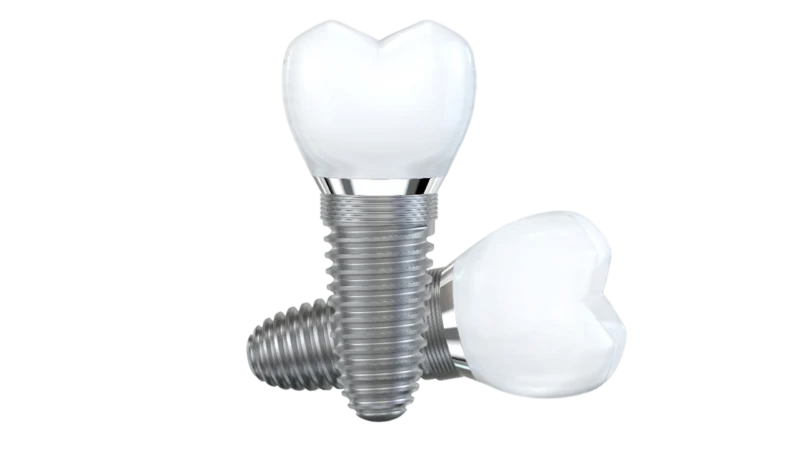
- Dental implant placement: They can help prepare or support the implant site by encouraging healthy bone and soft tissue healing around the implant.
- Bone grafting procedures: Regenerative support may be used alongside grafting to encourage bone regeneration and improve the stability of the grafted area.
These approaches are used to support healing, not to replace good surgery or proper aftercare.
What Can Patients Realistically Expect?
This is important: regenerative or biological treatments are support tools, not miracles.
They are:
- A complement to standard care
- Not a replacement for surgery or hygiene
- Not a guarantee of zero pain or zero swelling
Good healing still depends on:
- Following instructions
- Keeping the area clean
- Avoiding smoking
- Managing conditions like diabetes
- And attending follow-up visits
Why Many Patients Choose Turkey for Dental Surgery and Recovery
When dental surgery becomes more than “just a filling,” people start thinking more carefully about where to have it done. There are scans, treatment stages, healing time — sometimes implants or grafts.
For many patients from Europe, the UK, or the US, Turkey becomes an option not because they want something risky, but because they can get modern treatment at a more manageable cost.
In many cases, dental care in Turkey can be significantly more affordable than in countries like the US or the UK. The difference is mostly due to lower clinic and operating costs — not lower standards.
There’s also a practical side. Instead of squeezing recovery into a busy schedule, some people prefer to plan treatment as a short, organized trip where they can actually rest and heal properly.
Why Choose DentSpa for Surgical and Regenerative Care?
Healing after dental surgery isn’t about tricks or shortcuts. It’s about doing the basics properly and not rushing things. That’s really it.
What that looks like at DentSpa:
They actually check what’s going on first
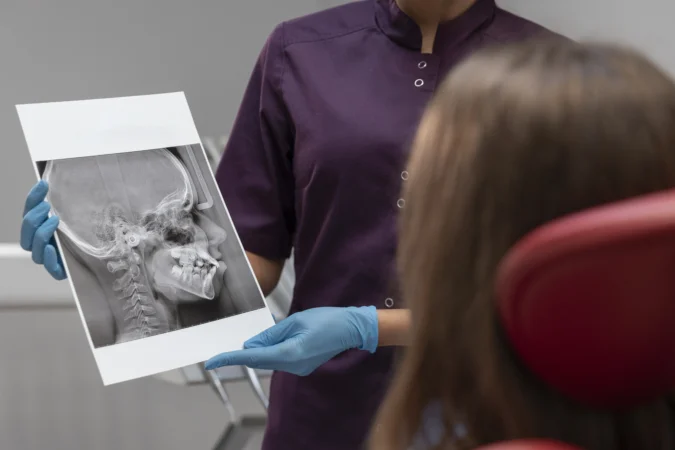
Before anything starts, they look at your mouth, your bone, and your gums with proper exams and scans. They don’t guess.
You don’t get a “standard” plan
Some people heal fast. Some don’t. Some cases are simple. Some aren’t. Your treatment is based on your situation, not a template.
Extra treatments are used only if there’s a reason
Regenerative options aren’t added just to sound fancy. If they make sense for your case, they’re used. If not, they’re not.The work is careful, and the aftercare matters
The surgery is only one part. Planning, technique, and what happens after are just as important.
They explain things clearly (especially if you’re coming from abroad)
You’re told what’s going to happen, when it’s going to happen, and what you need to do after. No guessing.
The goal is simple: help you heal properly, keep the result stable, and get you back to normal life without extra problems.
Supporting Healing, Not Rushing It
You can’t skip biology. But you can support it.
If you want to speed up healing after dental surgery, the real formula is:
Good surgery + good aftercare + healthy habits + (when appropriate) supportive regenerative tools.
Modern options like exosomes aren’t shortcuts. They’re ways to create better conditions for recovery — so swelling settles sooner, tissues repair more smoothly, and healing feels more manageable.
If you’re planning dental surgery or already recovering and want to know what would actually help in your case, you can book a free consultation at DentSpa Dental Clinic. You’ll get a clear, honest assessment of your situation and a recovery plan that makes medical sense — no pressure, just straightforward advice.
Frequently asked questions
Can healing time be shortened safely?
Healing cannot be bypassed, but it can be supported. Proper postoperative care, good oral hygiene, and healthy habits can optimize the healing process, and in selected cases, regenerative support may help recovery proceed more smoothly and predictably.
When should I contact my dentist after surgery?
If things are getting worse, that’s your sign to call. More pain, more swelling after the first couple of days, a fever, a bad taste or smell, or bleeding that won’t stop aren’t things you should just “wait out.”
Also, trust your gut. If something feels off, or you’re worried something isn’t healing the way it should, it’s better to check in early. Most problems are much easier to fix when they’re caught sooner rather than later.
How can I reduce pain after oral surgery?
Usually it’s pretty simple. Take what you were prescribed, use ice for the first day or two, and don’t push yourself. Keep the area clean and don’t smoke. Most people who end up hurting more just tried to get back to normal too fast.
Do exosomes reduce swelling after dental surgery?
They can help, but they don’t make swelling disappear. Some swelling after surgery is normal — it’s part of how the body reacts and starts healing. The idea behind using exosomes is that they can help the area calm down and heal in a more balanced way, so for some people the swelling doesn’t last as long or feels less intense.
That said, they’re not a shortcut and not a guarantee. You’ll still need to rest, use cold packs in the first days, follow your dentist’s instructions, and give your body time. Think of exosomes as something that can support recovery, not something that replaces normal healing or good aftercare.
How long does it take to recover from dental implant surgery?
The gums usually calm down in a few days, maybe a couple of weeks. That part’s the easy bit. The bone takes longer — sometimes a few months — because it has to properly heal around the implant. How long exactly depends on your case and how your body heals.
What is the fastest way to heal after tooth extraction?
Follow your dentist’s instructions and don’t mess with it or rush it.
Keep it clean, don’t smoke, and take it easy for a couple of days. That clot that forms in the hole is important — it’s basically the body’s bandage. If you keep touching it, rinsing too hard, or playing with it using your tongue, you’ll just make it hurt more and take longer to heal.
The first day or two, cold packs help. Eat soft stuff. Don’t try to chew on that side like nothing happened. After that, just be normal but careful — brush gently around it and don’t jump back into crunchy food too fast.
Most people who end up in trouble after an extraction don’t have “bad healing.” They just didn’t leave it alone long enough.








 70%
70%