Table of content
Table of content
Losing a tooth can feel urgent. Many patients want it replaced as quickly as possible — but speed alone is never the right reason to choose an implant approach.
If you’re comparing immediate implant placement with delayed implant placement, the real question isn’t “How fast can this be done?”
It’s “Which option gives the safest, most predictable long-term result for my mouth?”
In this guide, we explain the differences clearly, without hype or shortcuts. You’ll learn how each approach works, when each is appropriate, how costs and timelines compare in Turkey, and how experienced clinicians — including Dr. Serdar Yılmaz and the specialist team at DentSpa — decide which option is right for each patient.
What does implant placement timing actually mean?
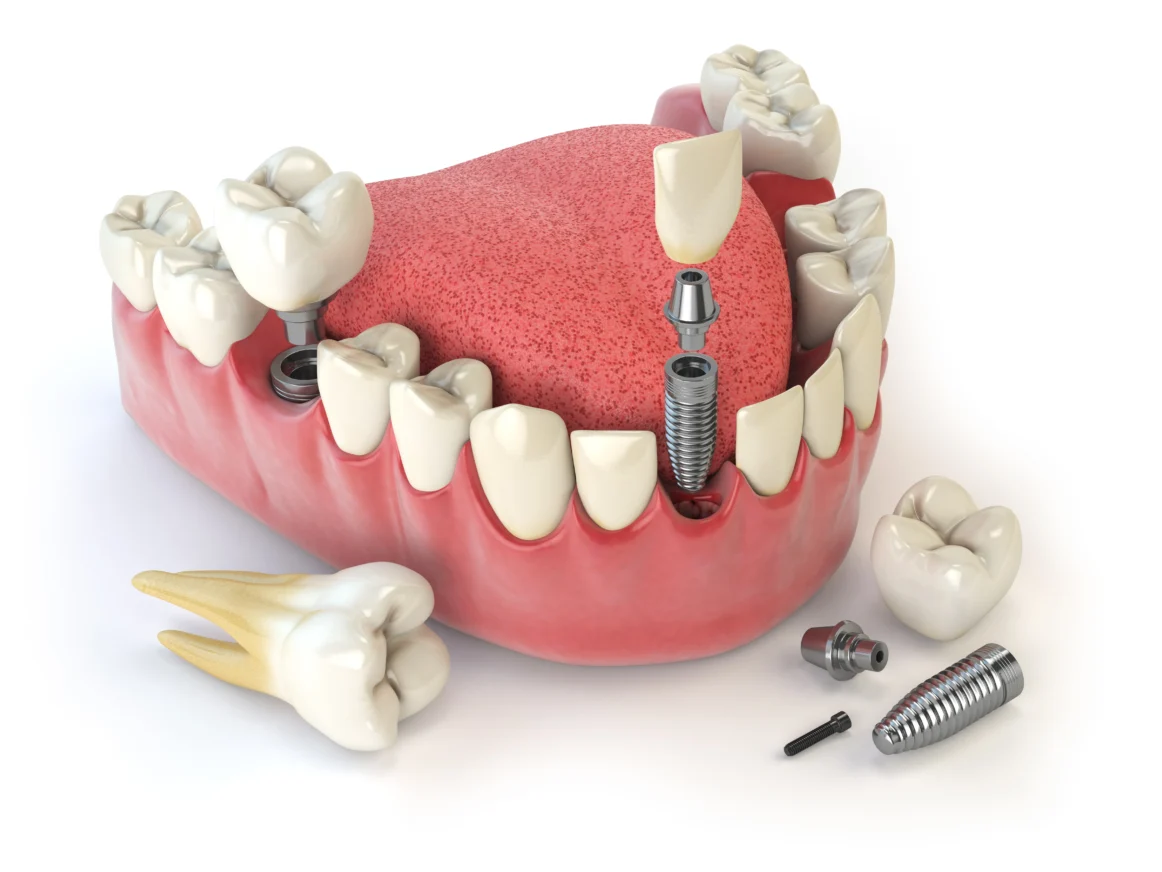
Dental implants replace missing natural teeth by anchoring a titanium or zirconia fixture into the jawbone. What changes between “immediate” and “delayed” placement is when that implant is inserted relative to tooth extraction.
- Immediate implant placement: the implant is placed during the same visit as the tooth extraction
- Delayed implant placement: the implant is placed after the extraction site has healed
Both approaches can work very well — when used in the right situation.
Immediate implant placement: what it involves
Immediate implant placement means that once a tooth is carefully removed, the implant is inserted directly into the fresh extraction socket.
This approach can reduce overall treatment time and may help preserve bone and gum contours. However, it requires very specific biological conditions to be successful.
When immediate placement may be suitable
- No active infection at the extraction site
- Healthy surrounding gum tissue
- Adequate bone volume and density
- Strong initial implant stability at placement
- Good general health and controlled risk factors
Immediate placement is most commonly used for single-tooth replacements, especially in visible areas where preserving gum shape is important.
Important clarification: “immediate” does NOT always mean “same-day permanent tooth”
In many cases, if a tooth is placed immediately, it is a temporary crown, not the final one. The permanent dental crown is usually fitted later, after healing and bone integration are complete.
Pros of immediate implant placement
- Shorter overall treatment timeline
- Reduced number of surgical stages
- Potential preservation of bone and soft tissue
- Faster aesthetic improvement in selected cases
Cons of immediate implant placement
- Higher sensitivity to technique and case selection
- Increased risk if infection or poor stability is present
- Not suitable for many patients
- May still require bone grafts or tissue management
Immediate placement is never a shortcut — it’s a clinical decision, not a marketing promise.
Delayed implant placement: the traditional approach
Delayed implant placement allows the extraction site to heal fully before the implant is placed. Healing can take several weeks to a few months, depending on bone and soft tissue condition.
This approach is often chosen when predictability and biological safety are the priority.
When delayed placement is recommended
- Active infection or abscess at the extraction site
- Significant bone loss
- Poor gum health
- Need for bone grafting or sinus lift
- High bite forces or grinding habits
- Medical conditions affecting healing
Delayed placement allows the dentist to rebuild a stable foundation before placing the implant — which often leads to higher long-term success rates.
Pros of delayed implant placement
- Lower risk of early implant failure
- Better control of infection and healing
- More predictable bone integration
- Greater flexibility for grafting and tissue shaping
Cons of delayed implant placement
- Longer total treatment time
- Temporary tooth may be needed
- More appointments overall
Delayed does not mean inferior. In many cases, it is simply the safer and more durable choice.
Immediate vs. delayed implants: side-by-side comparison
| Factor | Immediate Placement | Delayed Placement |
| Timing | Same visit as extraction | After healing period |
| Treatment speed | Faster | Slower |
| Infection tolerance | Low | High |
| Bone grafting | Sometimes avoided | Often planned |
| Predictability | Case-dependent | Generally higher |
| Suitability | Selected patients only | Broader range |
Long-term outcomes: what really matters
Whether an implant is placed immediately or after healing, long-term success depends on:
- Stable bone integration
- Healthy gums
- Controlled bite forces
- Proper crown design
- Patient aftercare
Rushing implant placement in unsuitable cases can compromise outcomes — even if the initial result looks good.
High-quality implant results should show:
- Natural gum contours
- Stable bone levels
- A crown that blends with natural teeth
- Comfortable chewing and speech
- No inflammation or tenderness
Photos alone are not enough — planning and execution matter more than aesthetics on day one.
How dental implant treatment is performed in Turkey
High-quality dental treatment in Turkey follows the same clinical principles used in leading European clinics — when done correctly.
At DentSpa, implant planning includes:
- Digital scans and imaging
- Bone and soft tissue assessment
- Bite and load evaluation
- Risk factor screening
- Material selection (titanium or zirconia)
Implant placement — immediate or delayed — is chosen based on biology, not speed.
A proper evaluation can prevent unnecessary risks and retreatment.
Cost of dental implant placement in Turkey
Many patients ask: “How much does dental treatment cost in Turkey?”
Implant costs vary depending on:
- Immediate vs delayed placement
- Need for extraction or grafting
- Implant material and system
- Temporary vs final dental crown
- Complexity of the case
Immediate placement can sometimes reduce stages, but in other cases it increases complexity and cost. The only fair comparison is plan vs plan, not implant vs implant.
The good news is dental implants in Turkey are usually 40 – 60% lower than UK or US prices. You can have a detailed look on dental implants prices here.
Why choose DentSpa for implant treatment in Turkey?
Choosing a dental clinic is not just about cost. It’s about who is planning your treatment, how decisions are made, and whether the clinic is equipped to deliver consistent results — not just good intentions.
DentSpa provides implant care within a medically structured environment, offering:
- PhD-level specialist doctors, led by professors and associate professors, ensuring every implant case is evaluated with academic-level clinical judgment — not shortcuts.
- High-quality implant systems and crown materials, selected based on long-term performance, bone compatibility, and functional demands.
- Advanced diagnostic and digital planning technology, including detailed imaging and bite analysis to support safe placement and predictable outcomes.
- Ethical treatment planning, where implants are recommended only when the biological foundations are ready — prioritising longevity over speed.
- A–Z international patient care and aftercare, with clear communication before treatment, structured support during your stay, and guidance after you return home.
Every year, DentSpa treats over 50,000 patients, including a large international population. This scale supports robust clinical systems, continuous refinement of protocols, and investment in advanced technology — without relying on rushed cosmetic trends.
Planning your dental implants
The most successful implant outcomes come from matching the technique to your bone, gum health, and bite — not from forcing a timeline. Whether immediate or delayed placement is appropriate can only be decided after proper assessment.
Contact DentSpa! For professional advice on dental implant treatment, book a free online consultation. Simply message us for an immediate response on our contact form.
Our specialists will answer all your questions and explain medical tourism in Turkey clearly, honestly, and without pressure.
Frequently asked questions
How do I know which option is right for me?
There’s no way to know for sure without being properly assessed.
Immediate vs. delayed implant placement isn’t a preference — it’s a clinical decision. The only way to make that decision safely is through a full examination, supported by imaging like 3D scans, and a clear look at your gums, bone quality, bite, and general health.
Two people can lose the same tooth and need completely different plans. What works perfectly for one patient may be the wrong choice for another.
A good dentist won’t push you toward the fastest option. They’ll explain what your mouth needs, what’s possible right now, and what will give you the strongest, most predictable result in the long run.
Is dental implant treatment in Turkey safe?
It can be — when it’s done properly.
Safety doesn’t depend on the country; it depends on who’s treating you, how they plan the case, and what systems are in place. In reputable clinics that use modern imaging, high-quality implant systems, and experienced clinicians, implant treatment in Turkey can be just as safe and predictable as anywhere else.
Where problems tend to happen is when cases are rushed, assessments are skipped, or decisions are made based on speed or price rather than biology. A proper clinic will evaluate bone, gums, bite forces, and medical history before recommending any implant plan — not after.
In short, Turkey offers excellent implant care — as long as you choose a clinic that prioritises planning, transparency, and long-term outcomes.
Can I get a tooth on the same day as implant placement?
Sometimes — but this is where expectations really matter.
In certain cases, it’s possible to leave the clinic with a tooth on the same day the implant is placed. When that happens, it’s almost always a temporary tooth, not the final crown. Its job is mainly aesthetic — so you’re not walking around with a visible gap — and to gently support the gums while healing takes place underneath.
Whether this is possible depends on how stable the implant is at the time of placement, how healthy the bone and gums are, and where the tooth is in your mouth. If there’s any doubt about stability or healing, it’s safer to wait rather than force a same-day tooth and risk problems later.
So yes, same-day teeth can be done — but only when the conditions are right, and only when it won’t compromise the long-term result.
Does delayed implant placement take longer?
Yes, it does — but in many cases, that extra time is exactly what protects the result.
When a tooth is removed, the area doesn’t instantly become ready for an implant. The bone needs time to settle, the gums need to heal, and any irritation or infection needs to fully clear. Rushing this stage can sometimes create problems later, even if everything looks fine at first.
By waiting, the dentist is working with healthier tissue. The implant can be placed into bone that’s more stable, with gums that are calmer and easier to manage. That usually means fewer complications, better comfort, and a stronger foundation for the crown that comes later.
For patients who’ve had infection, bone loss, or a difficult extraction, delayed placement is often the safer and more predictable option. It’s not about delaying treatment — it’s about giving your mouth the right conditions to heal properly so the implant can last long term.
In other words, it may take longer on the calendar, but it often saves trouble down the line.
Is immediate implant placement safe?
It can be safe — but it’s not something that works for everyone, and it’s definitely not something that should be rushed.
Immediate implant placement means putting the implant in at the same time the tooth is removed. For that to be safe, a few things need to be right: the area shouldn’t be actively infected, the bone needs to be strong enough to hold the implant firmly, and the gums should be in good condition. When those basics aren’t there, placing an implant immediately can create problems later.
In practice, some patients are great candidates for this approach, and others simply aren’t — even if they really want a faster solution. In those cases, waiting a little longer often leads to a much more reliable result.
That’s why immediate implant placement is never a “yes or no” answer based on photos or promises online. It’s a decision that only makes sense after a proper examination and imaging, with your long-term outcome being the priority — not speed.













 70%
70%