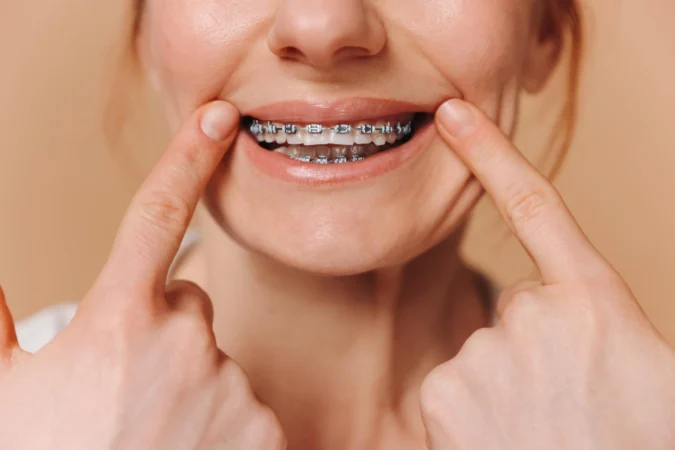
Quick answer: You can straighten teeth without traditional metal braces — most often with clear aligners, and for very minor cosmetic concerns with bonding or veneers. But “without braces” doesn’t mean “without a dentist.” Moving teeth safely still needs professional supervision, so the realistic options are clinician-led, not DIY.
This guide explains which methods genuinely move teeth, which only change their appearance, what’s safe, and what it costs.
Can you really straighten teeth without braces?
Yes — for many people. Fixed metal braces are no longer the only way to correct crooked teeth or minor alignment issues. The main alternative is clear aligners, with cosmetic options available for very small changes. What you can’t do safely is move teeth yourself with no professional oversight, which is where mail-order kits get people into trouble (more on that below).
Options that actually move your teeth
Clear aligners
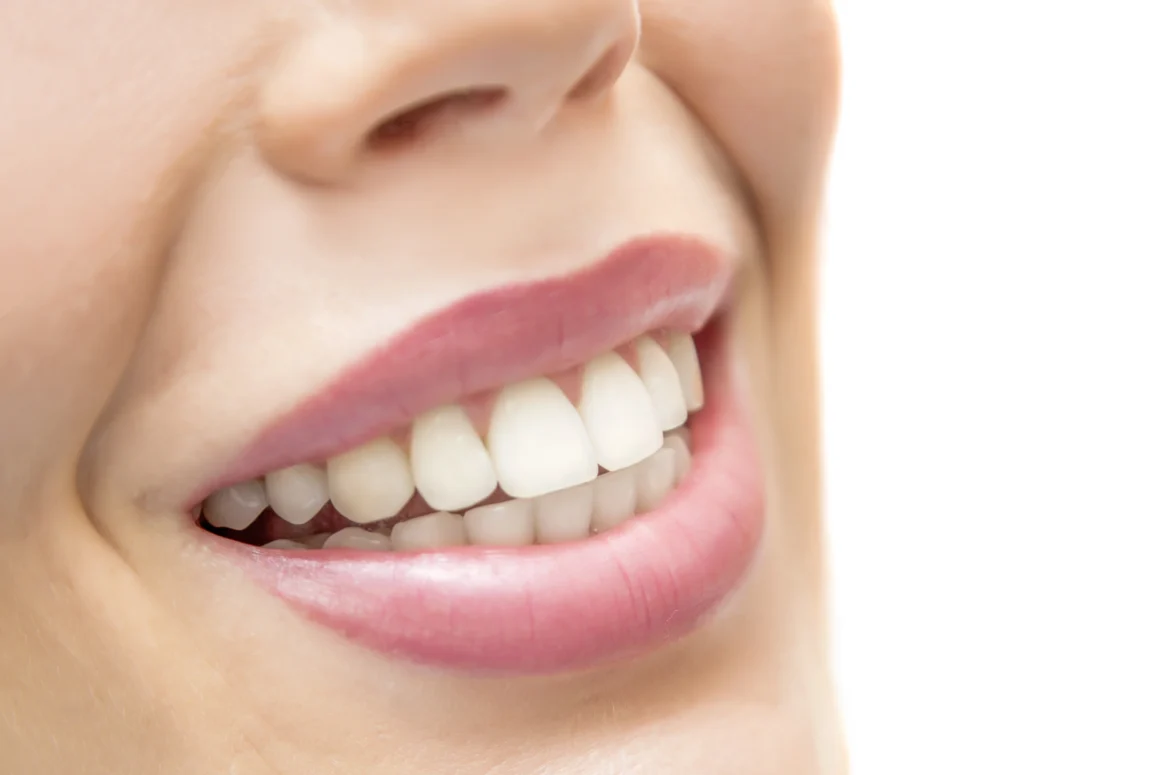
Clear aligners are removable, near-invisible trays that gradually shift your teeth into place — the closest thing to “braces without braces.” They suit mild to moderate crowding, spacing and alignment issues, and treatment typically takes around 6–18 months depending on the case. Because they’re removable, you take them out to eat, brush and floss, which makes day-to-day life and oral hygiene easier than with fixed braces.
The important caveat: aligners still need a dentist or orthodontist to plan and monitor them. We explain how the process works in our guide to affordable clear aligners, and what to expect from Invisalign-style treatment in Turkey.
At-home / mail-order aligners — proceed with caution
Direct-to-consumer kits market themselves as a cheaper, dentist-free shortcut. UK dental bodies disagree. The Oral Health Foundation and the British Orthodontic Society warn that DIY orthodontics carries real risks — including pain, tooth decay, gum disease, and even root and bone resorption — because no clinician examines your mouth or supervises the movement.¹ Their advice is clear: even clear aligners need a trained clinician to oversee them at every stage.¹
Retainers
Retainers hold teeth in position; they don’t carry out major movement. A fixed or removable retainer is mainly used to maintain results after treatment, or to correct very slight relapse after previous braces.
Palatal expanders
Expanders widen a narrow upper jaw and are used mostly in children and teenagers while the jaw is still developing. They’re not a general adult alternative to braces.
Options that change appearance, not position
If your teeth are reasonably healthy and the concern is mainly cosmetic, two treatments can make teeth look straighter without moving them:
- Composite bonding — tooth-coloured resin reshapes the edges to even out a smile. It’s quick and more reversible.
- Veneers — thin porcelain shells can mask mild crowding or gaps. They change appearance, not the underlying position, so they suit small cases. If you’re weighing these, our guide to composite bonding versus veneers compares them.
These are cosmetic camouflage, not orthodontics. For genuinely crooked teeth, see our overview of treatment options for crooked teeth.
Which option is right for you?
- Mild to moderate crowding or spacing: clear aligners are usually the best fit.
- One or two slightly uneven or chipped teeth, cosmetic only: bonding or veneers may be quicker.
- A narrow jaw in a child: an expander, assessed by an orthodontist.
- Significant bite problems: these often still need full orthodontics, sometimes fixed braces — an examination decides.
A dentist’s assessment is what separates a safe plan from a risky one. An online photo review can give you a preliminary idea, but it isn’t a diagnosis.
How much does it cost to straighten teeth without braces?
Cost depends on the method and how much movement is needed. Cosmetic bonding for a single tooth sits at the lower end; a full course of clear aligners costs more. In the UK, private clear-aligner treatment is expensive, which is why many patients look abroad. At DentSpa, clear aligners are offered at up to around 70% less than typical UK private prices, planned and supervised by qualified clinicians — the exact figure depends on the number of aligners and case complexity, so a personalised quote follows an assessment.
DentSpa was named Best Clinic in Dentistry in Europe at the European Awards in Medicine 2024 (Odontology), has treated more than 50,000 international patients, and is TDB- and ISO-certified — so “without braces” still means properly supervised orthodontic care, not a DIY kit.
Want to know if you can skip the braces?
The honest answer needs a look at your teeth. The simplest first step is a free consultation: upload a few photos for a preliminary view, or message our team on WhatsApp to ask whether clear aligners could work for you. No pressure — just clear advice from a dentist before you decide.
Frequently asked questions
Can you straighten teeth at home without braces?
How long does it take to straighten teeth without braces?
Can you straighten teeth without any appliance at all?
Are clear aligners better than braces?
Sources
- Oral Health Foundation — “Is DIY orthodontic treatment unsafe?” — https://www.dentalhealth.org/is-diy-orthodontic-treatment-unsafe










 70%
70%