Table of content
Table of content
The Truth About Freddie’s Smile
Freddie Mercury, the legendary frontman of Queen, is remembered not only for his extraordinary vocal ability and iconic stage presence but also for his distinctive dental condition. Known for his supernumerary teeth, particularly his extra upper incisors, Mercury’s dental features contributed to his unique voice and image. However, for those who share similar dental issues, the condition known as hyperdontia can be more than just a cosmetic concern — it can affect both functionality and self-esteem.
In this article, we’ll explore the medical implications of hyperdontia, how it impacts speech and oral health, and the treatment options available to those seeking solutions.
Who is Freddie Mercury?
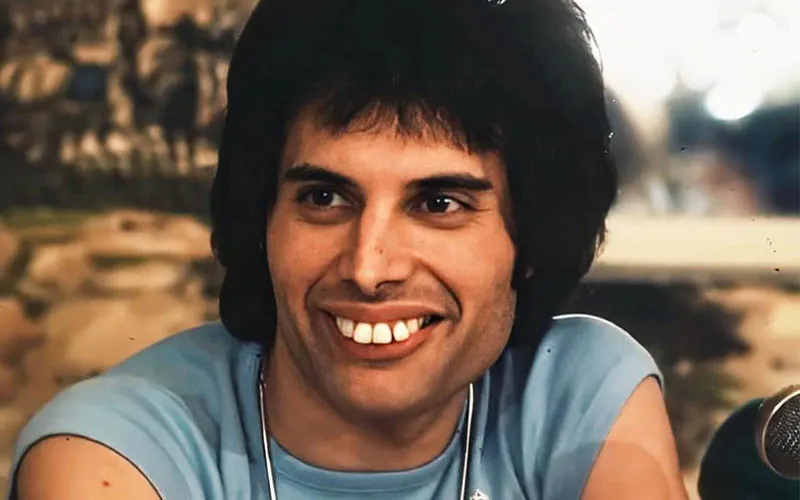
Freddie Mercury, born Farrokh Bulsara on September 5, 1946, in Zanzibar, was the legendary lead singer of Queen, known for his powerful voice and iconic stage presence. His distinctive dental condition, hyperdontia, gave him four extra upper incisors, which he believed contributed to his unique vocal ability. Despite advice from dentists to remove them, he chose to keep his extra teeth, which became a defining feature of his image. Even after his passing in 1991, Freddie’s voice and iconic smile continue to be celebrated worldwide.
Did Freddie Mercury’s Teeth Affect His Voice?
This is one of the most common questions about Mercury’s dental condition — and the answer is more nuanced than a simple yes or no.
Mercury himself believed his extra teeth expanded the resonance of his oral cavity, giving his voice its distinctive power and range. He was so convinced of this that he refused dental treatment for his entire career, famously saying: “I don’t dare get my teeth fixed, because my voice might change.”
From a clinical perspective, the teeth themselves do not determine vocal range. Mercury’s extraordinary four-octave ability came from his exceptional control of his vocal cords and his unique use of his pharyngeal muscles. However, the shape and volume of the oral cavity — which was directly affected by his extra teeth — can influence the timbre and resonance of a voice.
So while hyperdontia did not create his talent, it may have shaped the specific colour of his sound. What is certain is that the fear of losing it kept his smile exactly as nature intended.
Freddie Mercury’s Teeth Condition
If you watch the stage version of Bohemian Rhapsody, you’ll notice that Freddie Mercury is singing with the microphone very close to his mouth. Freddie indeed refused to fix his teeth, but that doesn’t mean he was very secure about it.
Freddie Mercury had a combination of hyperdontia and malocclusion. Specifically, he had four extra incisors in addition to his upper teeth, which caused crowding and resulted in an overbite.
Hyperdontia, also known as supernumerary teeth, involves having extra teeth beyond the normal count. Freddie Mercury had four extra teeth in his upper jaw. Supernumerary teeth can be visible or remain impacted, and they affect both children (more than 20 teeth) and adults (more than 32 teeth). The different patterns include:
- Mesiodens — the most common pattern, involving extra teeth growing directly behind the upper front teeth. This was Freddie Mercury’s case.
- Paramolars — grow next to the molars, closer to the tongue and cheek.
- Distomolars — erupt in line with the rest of the molar teeth.
Freddie Mercury’s extra teeth caused misalignment and a large overbite, known as malocclusion. This occurs when the upper and lower jaws do not align properly and is often caused by crowded or impacted extra teeth.
What Causes Hyperdontia?
The exact causes of hyperdontia remain unidentified. Overactivity of dental lamina cells is a major factor. Some conditions are also associated with hyperdontia, including:
- Cleft Lip and Palate — over 20% of those with cleft lip and palate develop supernumerary teeth.
- Down Syndrome — this genetic condition often leads to physical differences including extra teeth.
- Cleidocranial Dysplasia — patients have a 22% higher chance of developing extra teeth in the front upper jaw area.
- Other Genetic Syndromes — such as Gardner syndrome and Ehlers-Danlos syndrome.
Treatment and Complications of Hyperdontia
Hyperdontia is often asymptomatic and discovered incidentally during dental X-rays. However, when extra teeth cause issues, treatment becomes necessary. Common complications include:
- Impacted Teeth — extra teeth can block permanent teeth from emerging, causing infections or cysts.
- Crowding and Malocclusion — overcrowding leads to misalignment affecting both function and appearance.
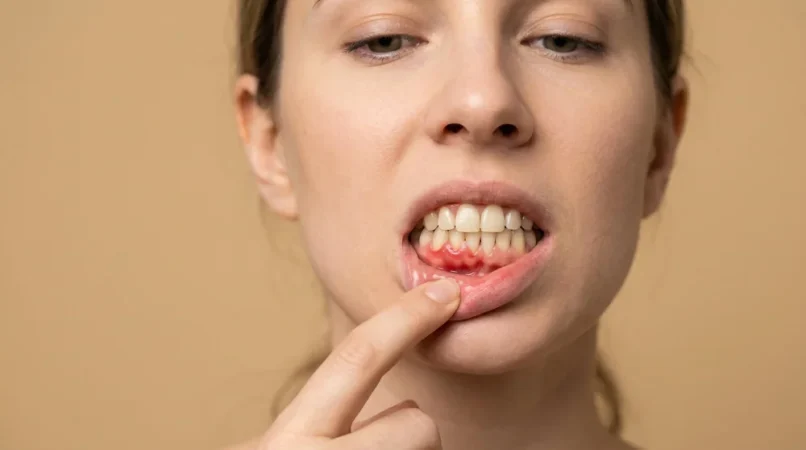
- Oral Health Issues — extra teeth increase the risk of cavities, gum disease, bleeding gums, and bad breath.
- Digestive Problems — difficulty chewing due to overcrowding can impact digestion.
- Rare Cases — in rare instances, extra teeth can appear in the nasal cavity or lead to cyst formation.
What Should You Do If You Have a Similar Condition?
Many people with hyperdontia or a pronounced overbite live with it for years — not because treatment is unavailable, but because they are unsure where to start, or afraid the process will be more disruptive than the condition itself.
The truth is that hesitation is the most common reason people delay. Not cost. Not complexity. Just uncertainty.
If you recognise yourself in Freddie Mercury’s story — the crowding, the self-consciousness, the feeling that fixing it might change something about you — the most useful thing you can do is simply get a proper assessment. Understanding exactly what your situation involves, what treatment would look like, and what the outcome could be costs nothing and changes everything.
Start with a free consultation at DentSpa and get a clear picture of your options before making any decision.
Could Freddie Mercury’s Teeth Have Been Fixed?
Fixing Freddie Mercury’s teeth would have been achievable both with the dental techniques of his time and with modern advancements. A treatment plan would likely have started with the surgical extraction of his four extra incisors to create space for proper alignment.
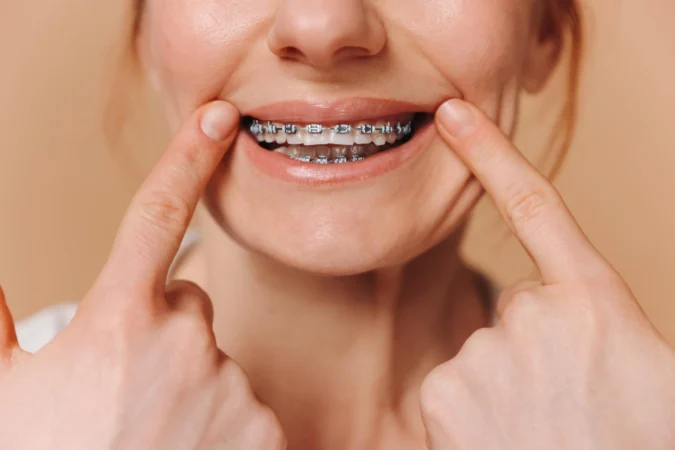
Following the extractions, orthodontic treatment would have been used to gradually reposition his teeth for a straighter, more balanced appearance. Once alignment was complete, minor reshaping of the front teeth could have further refined his smile.
With today’s advancements, the options go much further. Patients with crowding or overbite can now achieve a fully corrected smile — combining extraction, alignment, and cosmetic refinement in a single coordinated treatment plan. For cases involving jaw structure or severe misalignment, surgical correction is also available as part of a comprehensive approach.
Achieving a smile like this today is not only possible — it is routine.
Why Dentspa is the Best Choice for Your Smile Makeover
At Dentspa, we specialize in transforming smiles and restoring confidence for patients worldwide. With over 50,000 satisfied patients annually from the US, Australia, Europe, and beyond, we’ve earned our reputation for exceptional care and results. Our award-winning clinic, recognized as the Best Odontology Clinic in Europe at the 2024 European Awards in Medicine, combines years of expertise with the latest dental technology.
Our skilled team is dedicated to providing personalized smile makeovers, using advanced treatments like dental implants, crowns, and orthodontics. We guarantee top-quality results, enhanced aesthetics, and improved functionality for your smile.
Ready for your smile transformation? Contact us on WhatsApp for a free consultation and take the first step toward the smile of your dreams!
Conclusion
Freddie Mercury’s unforgettable smile was as unique as his incredible talent. Rather than seeing his dental condition as a flaw, he embraced it as part of his identity, even attributing it to his remarkable vocal range. His journey inspires us to celebrate our differences and recognize that what makes us stand out can also be our greatest strength.
Frequently Asked Questions About Freddie Mercury’s Teeth
Yes. Freddie Mercury was born with four extra incisors in his upper jaw — a condition called hyperdontia (supernumerary teeth). This brought his total to 36 teeth instead of the normal 32, causing crowding and a pronounced overbite.
Mercury famously refused dental treatment because he believed his extra teeth contributed to his extraordinary vocal range. He once said: “I don’t dare get my teeth fixed, because my voice might change.” He also embraced his teeth as part of his personal identity and stage persona.
Mercury believed they did. While there is no scientific proof that extra teeth directly expand vocal range, the structure of the oral cavity can affect sound resonance. His four-octave range is attributed primarily to his exceptional use of his vocal cords — but the oral cavity shape may have played a supporting role.
Hyperdontia is a dental condition where a person grows more teeth than normal — more than 20 baby teeth or more than 32 adult teeth. The extra teeth can appear anywhere in the dental arch and may be visible or remain impacted beneath the gum. It affects approximately 0.6% to 3.8% of people and is twice as common in men.
Yes. With modern dentistry, his condition would be treated by first surgically removing the extra incisors, followed by orthodontic treatment (braces or clear aligners) to correct the overbite. For the final aesthetic result, techniques like Digital Smile Design and porcelain veneers could create a natural, balanced smile — without affecting vocal quality.
Hyperdontia has a strong genetic component. People with a family history of the condition, or those with genetic syndromes such as Gardner syndrome or cleidocranial dysplasia, have a higher chance of developing supernumerary teeth. In many cases, however, it appears without any clear family pattern.
References
- Scheiner, M.A., & Sampson, W.J. (1997). Supernumerary teeth: a review of the literature and four case reports. Australian Dental Journal, 42(3), 160–165.
- Primosch, R.E. (1981). Anterior supernumerary teeth — assessment and surgical intervention in children. Pediatric Dentistry, 3(2), 204–215.
- Garvey, M.T., Barry, H.J., & Blake, M. (1999). Supernumerary teeth — an overview of classification, diagnosis and management. Journal of the Canadian Dental Association, 65(11), 612–616.
- Anthonappa, R.P., Omer, R.S., & King, N.M. (2008). Characteristics of 283 supernumerary teeth in southern Chinese children. Oral Surgery, Oral Medicine, Oral Pathology, 105(6), e48–e54.
- American Association of Orthodontists — Orthodontic FAQs
- NHS — Teeth development in children













 70%
70%