Table of content
Losing a tooth usually doesn’t start as a big medical story. For most people, it’s just small, annoying changes — chewing feels different, some foods are harder, or your bite doesn’t feel quite right anymore.
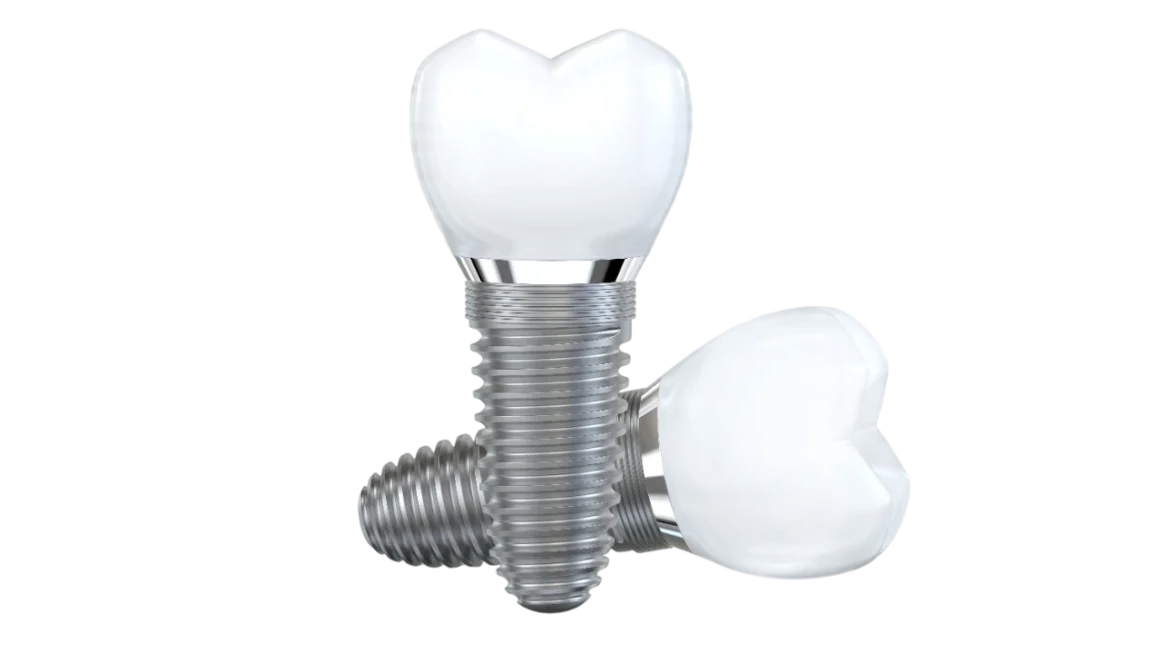
That’s why dental implants are such a popular solution. They don’t just fill a gap. They replace the missing root and give the tooth real stability again. But placing an implant is only part of the job. What really matters is healing — and how well the bone bonds to the implant. This process is called osseointegration, and it’s what makes an implant strong enough to last.
In real life, implant problems are rarely about the implant material itself. They’re usually linked to things like low bone density, inflammation, smoking, diabetes, or slow healing. Because of that, modern implant dentistry isn’t only about surgical technique anymore. There’s growing interest in ways to support the body’s own healing response — and this is where exosome therapy is being explored as a possible way to help improve implant healing and support faster, more stable osseointegration in selected cases.
What are Exosomes, in Simple Terms?
The easiest way to think about exosomes is this: they’re tiny messengers your cells send to each other.
Your body is doing this kind of “communication” all the time. When something needs to heal, cells don’t work in silence — they send signals. Exosomes are one of the ways those signals travel. They don’t build new tissue themselves, but they help tell other cells what to do, like when to calm inflammation or when to start repairing an area.
People often mix up exosomes and stem cells, but they’re not the same. Stem cells are actual living cells that can turn into different tissues. Exosomes aren’t cells at all. They’re more like instruction notes sent by cells. They don’t become bone or gum — they just guide the cells that are already there.
In dental implants, that’s why they’re interesting. The whole success of an implant depends on how well your bone heals and bonds to it. That’s why exosomes are being studied because they seem to help with things that matter for implant healing: getting bone cells to work, improving blood flow in the area, and keeping inflammation from getting out of control. When those things are more balanced, osseointegration — the bonding between bone and implant — may happen more smoothly.
That’s really all it is. The basics still matter most: good planning, clean surgery, and proper aftercare. Exosomes, if used, are more like extra support for healing, not a shortcut and not a guarantee.
Who Actually Needs Extra Healing Support?
Honestly? A lot of people don’t.
Plenty of patients get implants, heal normally, and that’s the end of the story. If your bone is good, your gums are healthy, and your general health is fine, your body usually does what it’s supposed to do.
But some mouths are just… harder to work with.
If you smoke, have diabetes, have weaker bones, or you’re getting older, healing can be slower. Sometimes it’s unpredictable. Sometimes things take longer than both you and your dentist would like. That doesn’t mean implants won’t work. It just means the margin for error is smaller.
These are the cases where dentists start thinking more carefully about how to support healing and protect osseointegration from the start. Not because it’s trendy. Because the risk is simply higher.
And this is important: there’s no “extra treatment for everyone.” Whether you need additional biological support or not depends on your scans, your medical history, and how your body usually heals. It’s a case-by-case call. Always.
Safety, Evidence, and Why Planning Still Matters Most
Anything that’s called a “biological” treatment needs to be handled carefully. This isn’t skincare or wellness therapy. This is your bone, your healing, and a medical procedure that’s meant to last for many years.
Exosomes are still a developing area in medicine. Researchers are studying them, testing where they may help, and defining where their limits are. That’s why they should never be used casually—and definitely not marketed as a miracle shortcut.
In responsible clinical practice, that means a few simple rules:
- Decisions are based on what’s actually supported by research
- Doctors are honest about what’s still being studied
- And no “add-on” ever replaces proper diagnosis and surgical planning
Even the most advanced biological support cannot compensate for poor planning or inaccurate implant placement. Long-term implant success still depends on the fundamentals:
precise 3D imaging, correct positioning in the bone, careful handling of soft tissues, and a prosthetic design that distributes biting forces safely.
This is why modern implant centers rely so heavily on digital imaging, guided surgery, and close collaboration between surgeons and prosthodontists. Biology and technology are meant to work together. One cannot replace the other.
If exosomes are used at all, they should be seen as supportive—not as a promise, not as a shortcut, and never as a substitute for good clinical judgment.
Why Many Patients Choose Turkey for Dental Implants
After people realize that implants aren’t something you should rush or gamble with, they usually start asking a very normal question: Where can I get this done properly without paying a crazy amount? That’s often when Turkey comes up.
A lot of patients from Europe, the UK, and the US end up looking at clinics in Turkey because they see the same kind of technology, experienced doctors, and busy implant practices—but at noticeably lower prices. The difference isn’t because the materials are worse or the work is “cheaper quality.” It’s mostly about lower running costs and a different healthcare pricing system.
And for many people, it’s not just about money. There’s also the experience itself. Instead of everything feeling rushed and stressful, some patients like the idea of turning treatment into a short, well-planned trip. You get your care, you rest, you’re in a different place for a few days, and the whole thing feels a bit less like “I’m stuck in a clinic” and a bit more like “I’m taking care of this properly, in a calmer way.”
Why Choose DentSpa Dental Clinic for Dental Implants
Getting a dental implant isn’t just about putting a screw in the bone and calling it a day. It’s about planning it properly, placing it safely, and making sure it actually works for you long term. That’s the approach at Dentspa.
Here’s what that means for you in real terms:
- You get a proper diagnosis, not guesswork
Your case starts with 3D scans and a full check of your bone, gums, bite, and nearby teeth. This helps avoid surprises and makes sure the implant is placed where it will actually last. - Your implant is planned digitally before anything is done
The team uses digital planning to choose the safest and most stable position for the implant, avoid nerves and sinuses, and make sure the bite forces are distributed properly. This lowers risks and improves long-term comfort. - You’re not limited to “one-size-fits-all” materials
Dentspa works with trusted implant systems and high-quality restorations, including porcelain and zirconia options, chosen based on strength, fit, and how natural they look in your mouth. - Complex cases are handled by a team, not one person alone
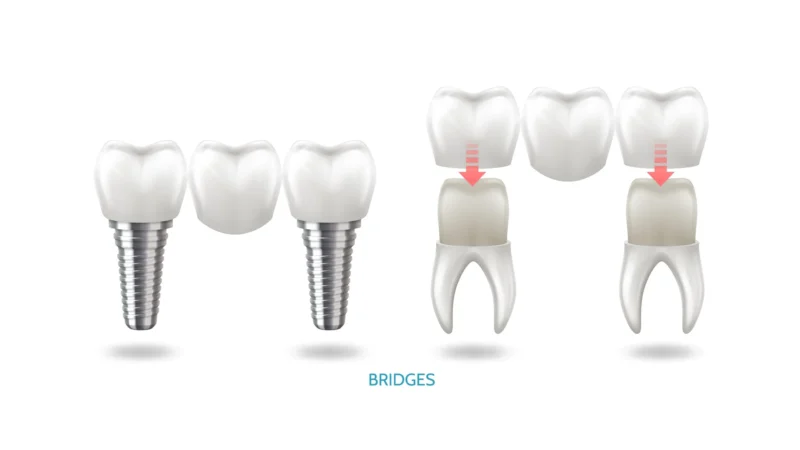
Full-arch cases and implant-supported bridges are planned jointly by surgical and prosthetic specialists, so both function and appearance are considered from the start. - If you’re coming from abroad, the process is organized for you
- International patients get:
- Clear scheduling
- Communication in multiple languages
- Step-by-step aftercare instructions
- A treatment plan that respects travel timing and recovery
With experience treating tens of thousands of international patients, Dentspa isn’t just focused on placing implants—it’s focused on making sure the whole process is safe, clear, and comfortable, from the first scan to the final tooth.
So, Is Exosome Therapy Right for You?
Short answer: sometimes it can help — but it’s not the main thing that makes an implant work.
Most implant success still comes down to pretty basic stuff: checking your bone properly, placing the implant in the right position, and planning the bite so it’s not under the wrong kind of pressure later. If those parts aren’t done well, no “extra” treatment is going to fix that.
Where something like exosome therapy might come in is when healing is expected to be slower — for example, if your bone quality isn’t great, or your body just doesn’t heal as fast as it used to. In those cases, it can be considered as support.
At the end of the day, the goal isn’t to use the newest technique. The goal is simple: give you a tooth that feels solid, lets you eat normally, and doesn’t turn into a problem a few years down the line.
If you’re thinking about an implant and want to know what actually makes sense for your mouth, the best next step is a proper check-up. At Dentspa, you can book a free consultation, go through your scans with the doctor, talk honestly about your options, and get a plan that’s based on your situation.
Frequently asked questions
Is exosome therapy approved for dental use?
There isn’t one simple yes-or-no answer. Different countries have different rules, and those rules are still changing. In some places it’s allowed in certain medical settings, in others it’s more restricted. That’s why a serious clinic won’t treat this like a “trend” — they’ll only use it if it’s permitted where they are and if it actually makes sense for the patient.
What are the risks of exosome therapy in dentistry?
The risks aren’t really about the idea itself — they’re about how it’s done. Where the exosomes come from, how they’re handled, and who’s using them matters a lot. If the sourcing or the process isn’t right, that’s where problems can start.
That’s why this isn’t something to try casually or as an “extra.” If it’s used at all, it should only be in a proper medical setting, with clear standards and real clinical supervision.
What improves osseointegration of dental implants?
A lot of things, actually — and most of them are pretty basic.
First, the implant has to be placed in the right spot. If it’s not positioned properly, the bone just won’t hold onto it the way it should. Good bone quality matters too, because weak or thin bone simply doesn’t heal the same way strong bone does.
Then there’s the stuff you can control: keeping your gums healthy, not letting inflammation get out of hand, and actually cleaning your teeth properly while everything is healing. And finally, the crown or bridge on top has to be designed the right way, so it doesn’t put weird or excessive pressure on the implant.
When all of that lines up, that’s when the bone and the implant usually bond the way they’re supposed to.
How long does it take for a dental implant to heal?
It usually takes a while. This isn’t something that heals in a weekend.
After the implant goes in, your bone has to slowly grow around it and hold onto it. For most people, that ends up being a few months — usually somewhere around three to six. Some people are quicker, some take longer. It depends on your bone, your health, and whether the dentist had to do anything extra, like add bone first.
Sometimes your dentist will say, “Let’s not rush this.” That’s actually a good thing. It just means they want to be sure the implant is really solid before they put the final tooth on. Trying to hurry this part is usually how you end up with problems later.
Can exosomes help dental implants heal faster?
Sometimes, they can help. But it’s not a guarantee.
The idea is simple: exosomes may help the body do its healing job a bit better — things like calming inflammation and supporting bone healing. In some patients, that can make the healing process smoother and more predictable.
But they’re not a shortcut. They don’t magically make implants heal overnight, and they don’t fix poor planning or bad surgery. You still need proper placement, good bone, and enough time for your body to heal.
So think of exosomes as extra support in certain cases.
Is exosome therapy for dental implants safe?
When it’s done properly and under medical supervision, exosome therapy is generally considered a supportive treatment — not something experimental that’s used casually. That said, it’s still a developing area in medicine, which is why it should only be used in clinics that follow proper clinical standards and base their decisions on real evidence, not trends.
The important part is this: exosomes should never be treated like a miracle solution or a replacement for good implant surgery. They’re something that may be added in selected
cases, when it actually makes sense medically, and when the doctor can explain clearly why they’re being used.
In other words, safety doesn’t come just from the product itself — it comes from how, when, and why it’s used.










 70%
70%