Picture this: You have just had a tooth removed, probably because of severe decay, an infection, or extensive damage. Your dentist tells you that the pain should ease within a few days, but weeks later, that deep, persistent ache is still there.
That is not something you should ignore. It could be a sign of dry socket, a painful complication that can occur after a tooth extraction.
In this guide, we’ll explain how dry socket develops, how it is treated, and what you can do to reduce your risk of developing it.
What is dry socket and how does it come about?
Dry socket, medically known as alveolar osteitis, is a common tooth extraction complication that shows up after tooth extraction procedure. This condition is famous for causing some of the most intense, stubborn oral discomfort known to man.
To fully understand how it develops, we have to look at how your mouth normally repairs itself after oral surgery:
Immediately after your tooth extraction, your body’s natural defense systems automatically springs into action and fills the extraction socket with a blood clot.
Clot formation is vital in helping your body repair itself after a tooth extraction. The clot that forms will act as protection for the raw bone and nerves below. As well, the clot will seal off the extraction site to prevent food, liquid, etc., from entering the area and potentially interfere with the healing process.
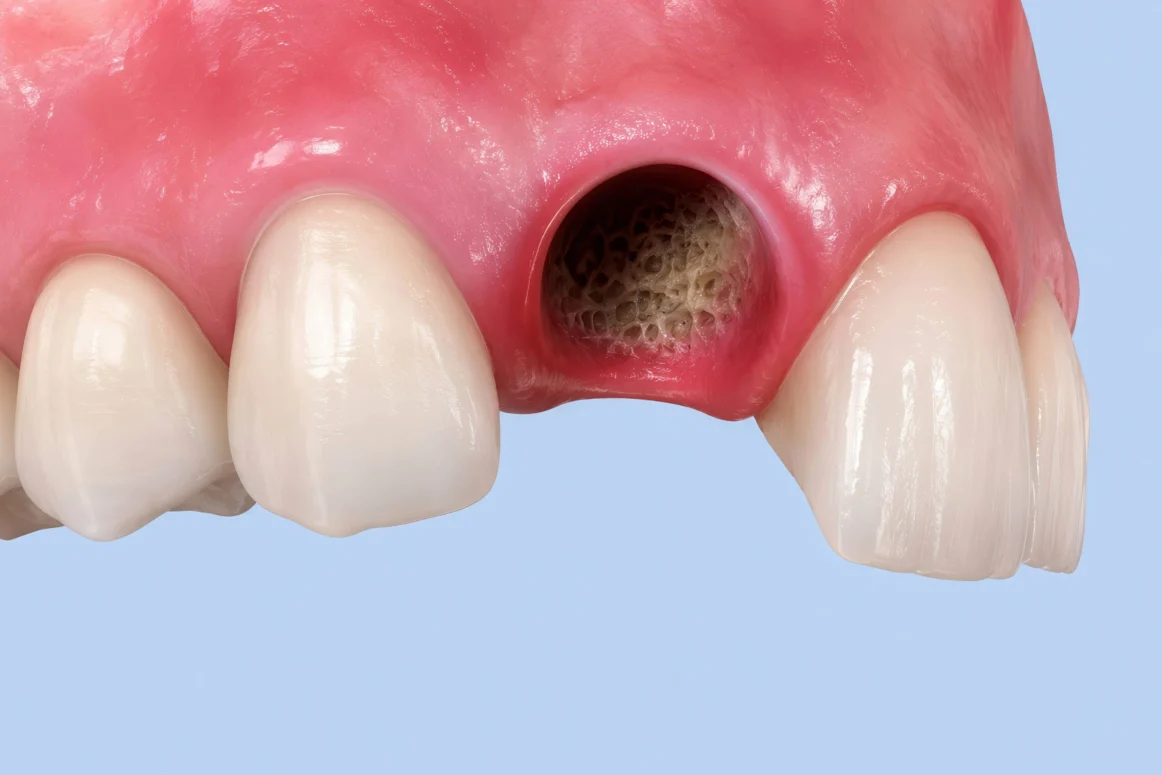
It should however be noted that, sometimes nature does not follow the normal course of events. A clot may not be able to form correctly at times. In some cases, it may even dissolve way too early or become dislodged before the underlying tissue heals.
When any of these happens, the bones and the tiny nerves ending forming underneath can become exposed. And since these tissues are not meant to come in contact with air, saliva, liquid, or even food, something as simple as drinking cold water or breathing through your mouth can trigger intense pain.
What cause blood not to clot after tooth extraction ?
A lot of factors can prevent a blood clot from forming properly or cause it to break down too early after a tooth extraction. Some of them include:
- Health issues like blood related cancer, high blood pressure, and liver dysfunction, can impair the body’s ability to form clots.
- Excessive use of blood thinning medications and antidepressants can also block the formation of blood needed for clotting.
- Pre-existing oral infections such as periodontitis or pericoronitis disease can also impair the body’s ability to form clots or cause immediate dislodgement.
- When you smoke tobacco immediately after the extraction, you are basically compromising your own healing. Nicotine can constrict the blood vessels in your gums, which will deprive the healing site of the oxygen and essential nutrients needed to form and maintain a stable clot.
Common symptoms of dry socket
Dry socket symptoms are hard to ignore, and they follow a very specific pattern that sets them apart from normal soreness you experience during the healing phase. Some of them include:
Severe pain
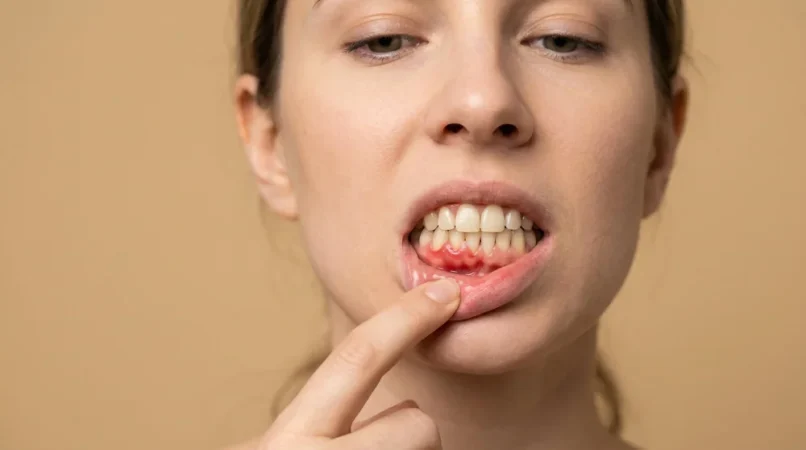
After the extraction procedure, it is normal to experience some pain and discomfort, especially during the first 24-48 hours. However, if the pain persists and you feel it traveling along your nerve pathways towards your ear, eye, neck, or the side of your face where the tooth was removed, that could be a clear indication of dry socket.
Bad breath
In addition to the pain, your breath may also likely produce persistent foul smell that won’t go away no matter how hard or frequent you brush. This is often caused by the accumulation of food particles, fluids, and bacteria in the socket.
What differentiate normal healing from dry socket ?
If you are experiencing dry socket for the first time, it is totally possible to confuse the symptom with what you will experience during normal healing. To help you tell the difference, here are signs to keep in mind:
- On days 4 to 7 of a normal recovery you may notice a white or pale yellow film over the extraction area. Many people often assume that this is pus or a sign of infection, but actually, it is not. That white film is called granulation tissue and it is a sign of normal progress, not a dry socket.
- If you have a dry socket, the extraction site will appear completely empty or dry. In some cases you may actually be able to see actual white-grey bone visible at the very bottom of the empty space.
- Normal healing pain responds very well to over-the-counter anti-inflammatories such as Ibuprofen. If you take a regular dose of painkillers but the pain doesn’t go away, then you probably have a dry socket.
Professional Dry Socket Treatment
If you are currently dealing with dry socket, your body won’t heal itself, you need professional help. Below are some of the treatment options available for you
Socket Irrigation
This procedure is mostly done to flush out food debris, loose tissues and bacteria trapped in the socket. The cleaning is done using either warm saline solution or mild antiseptic and the goal of this procedure is to help prepare the site for medication.
Medicated Dressings
This is usually a small strip of sterile gauze-like material filled with materials like eugenol, antiseptic and local anesthetics. The paste covers the exposed bone and nerve endings ensuring that they don’t get exposed to food and air. For most patients, pain levels drop drastically within minutes of this dressing being placed.
Regenerative Therapies
Advanced treatments such as platelet-rich fibrin (PRF), and laser therapy are believed to be able to assist in the treatment of chronic or severe dry socket. While research on PRF and other regenerative therapy approaches is still ongoing; initial findings with this technology have been very encouraging for enhancing tissue repair and reducing time needed for healing
At-home Treatments To Relief Pain
While waiting for professional dental care, below are some things you can do at home that will help you manage the symptoms
- Anti-inflammatory medication (such as acetaminophen or ibuprofen) can be used to decrease discomfort and/or pain prior to further evaluation by a healthcare provider.
- Apply ice to the side of your face that had the tooth removed for fifteen minutes at a time to desensitize the area where the muscles are experiencing pain.
- Try rinse your mouth with warm salt water to clean the extraction site which will in-turn help lower the risk of developing an infection
Frequently asked questions
Can dry socket heal on its own without treatment?
What does the bad taste from a dry socket mean?
Can you get dry socket after a normal tooth extraction, not just wisdom teeth?
Is dry socket a dental emergency?
How soon after an extraction can dry socket start?
Conclusion
Dry socket can be a painful experience, but the good news is that it is totally treatable. With the right treatment and timely care, the pain can be managed and the extraction site can heal properly.
At DentSpa, we understand how uncomfortable and worrying complications after an extraction can be. Our experienced dental team can assess your symptoms, identify the cause of the pain, and recommend the appropriate treatment to get your recovery back on track.
Located in Istanbul’s Şişli district, DentSpa is designed to make dental care feel as comfortable as possible. Our clinic combines experienced dental professionals with modern technology and a calm environment where you can feel at ease throughout your treatment.
Our dentist tourism program is also top notch. If you are travelling from abroad, our medical advisory team can help coordinate your airport transfer, accommodation, clinic appointments, and other aspects of your dental journey.
You should not have to spend your recovery worrying about persistent pain. If you are dealing with dry socket or need professional care after a tooth extraction, book a free consultation with us today and let our team help you get back to feeling comfortable.














 70%
70%