There’s a specific kind of frustration that comes with dental work that didn’t turn out right. It’s not just the discomfort. It’s that you paid for it, you trusted someone with it, and now you’re living with a result that’s wrong — and you have no idea whether it can be fixed or whether you’re simply stuck with it.
You’re not stuck.
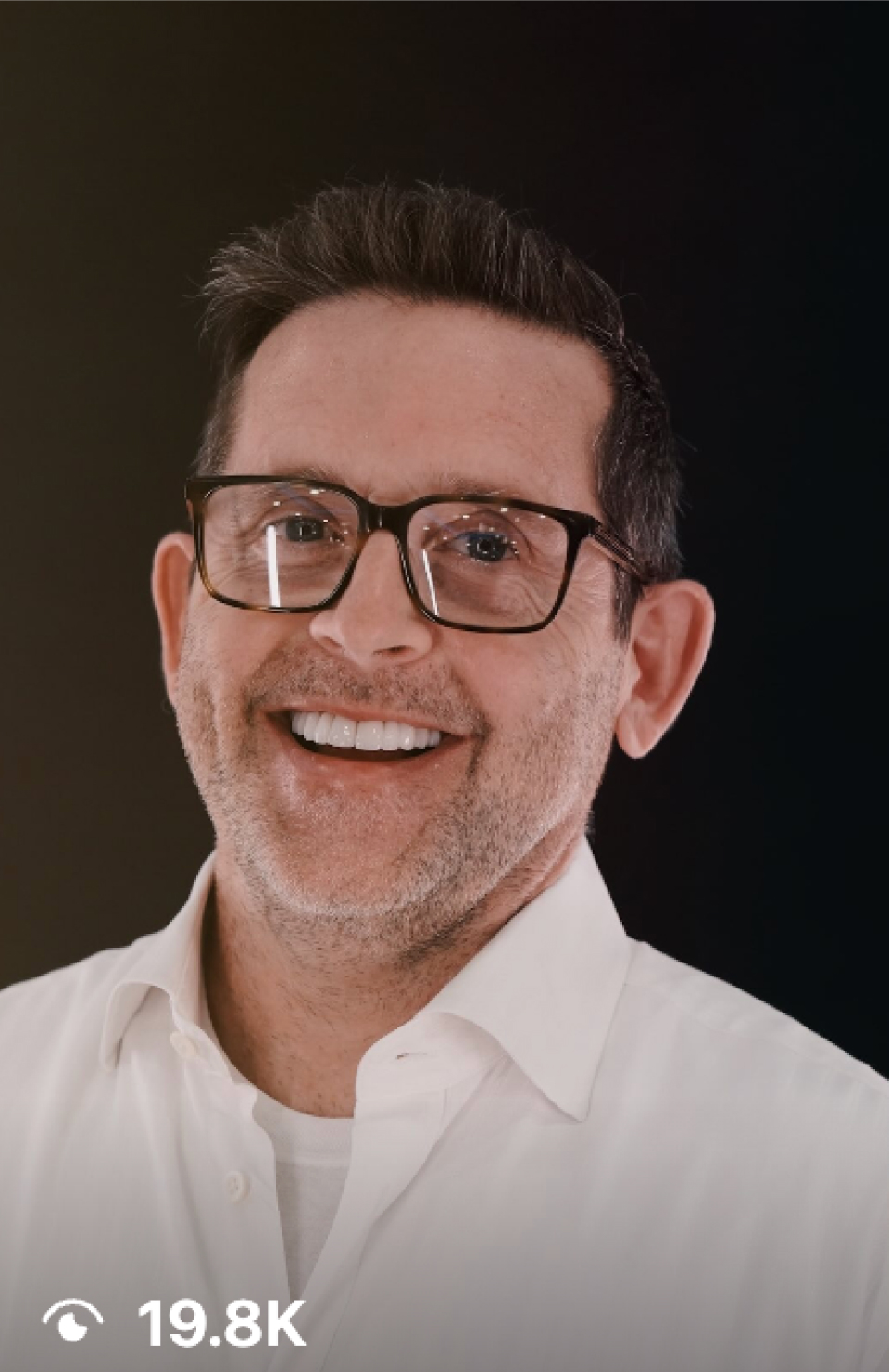
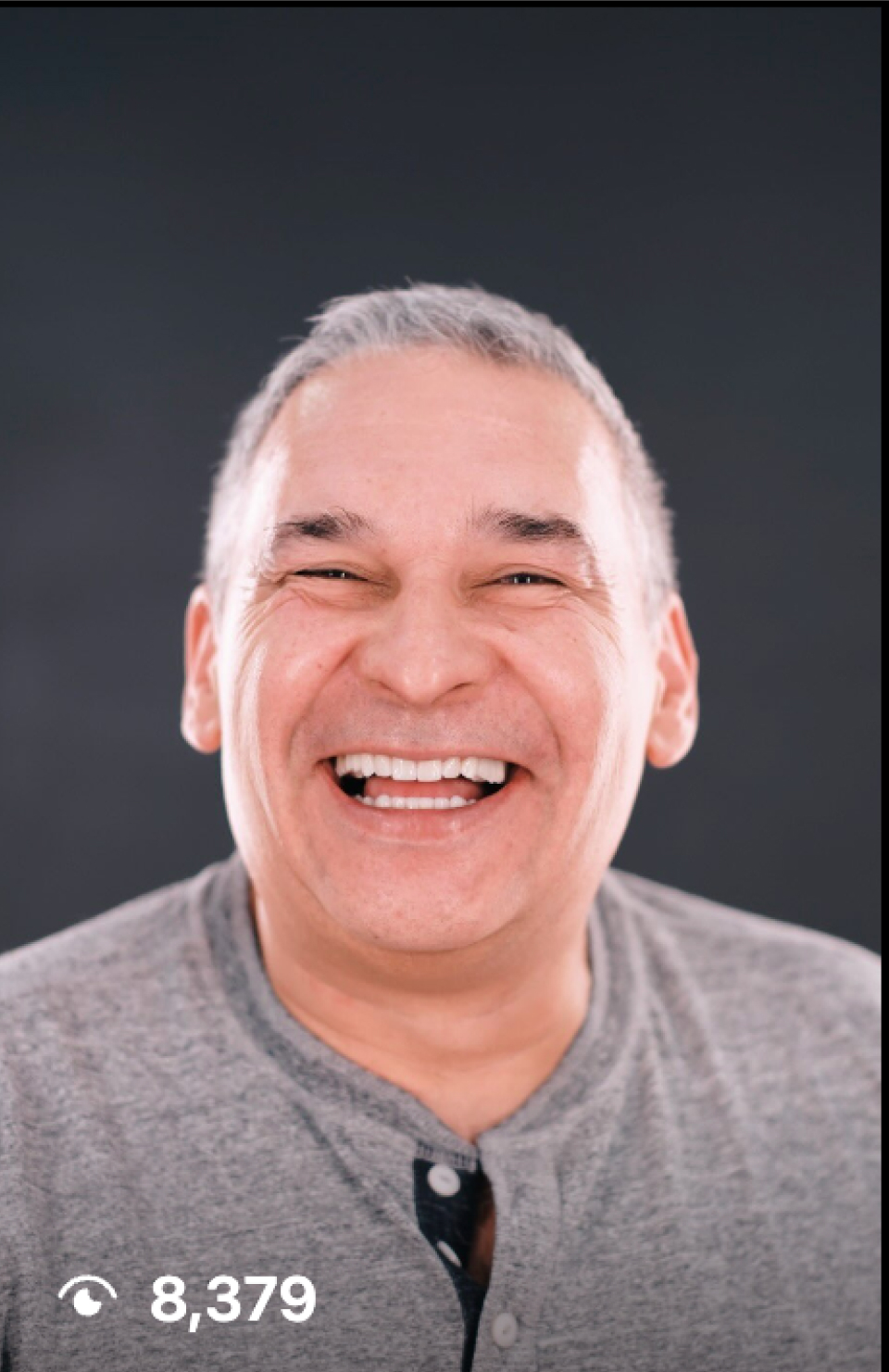
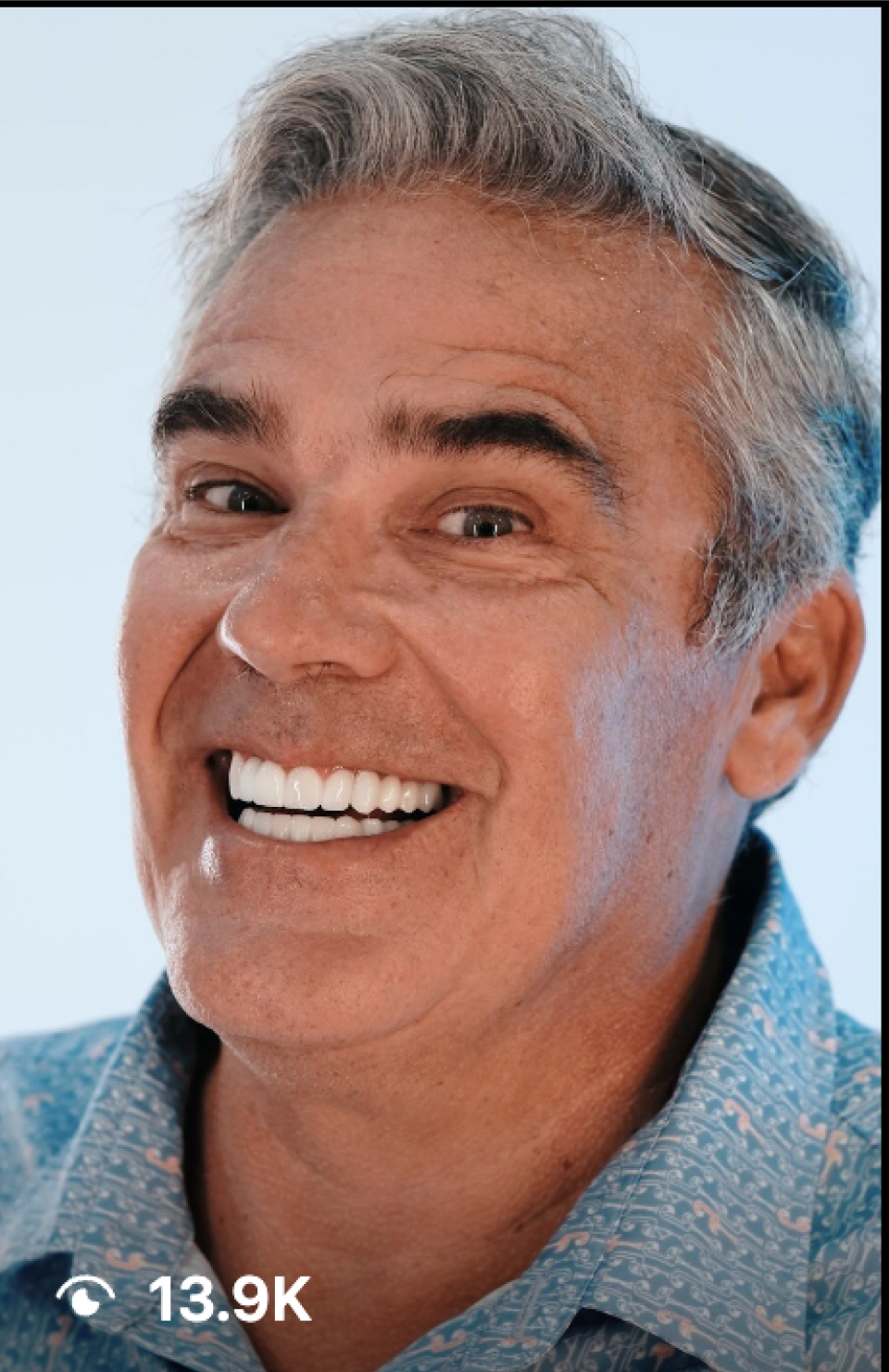
One of DentSpa’s patients had been avoiding smiling properly for years. Not dramatically — just that small, constant adjustment where you keep your lips together a bit more than you’d like, or turn away slightly before you laugh. He’d had a disappointing result years earlier and had been too apprehensive to try again for far longer than he should have. That’s the pattern more than the exception: most people who come for corrective work waited, not because they were indecisive, but because nobody had told them it could be fixed.
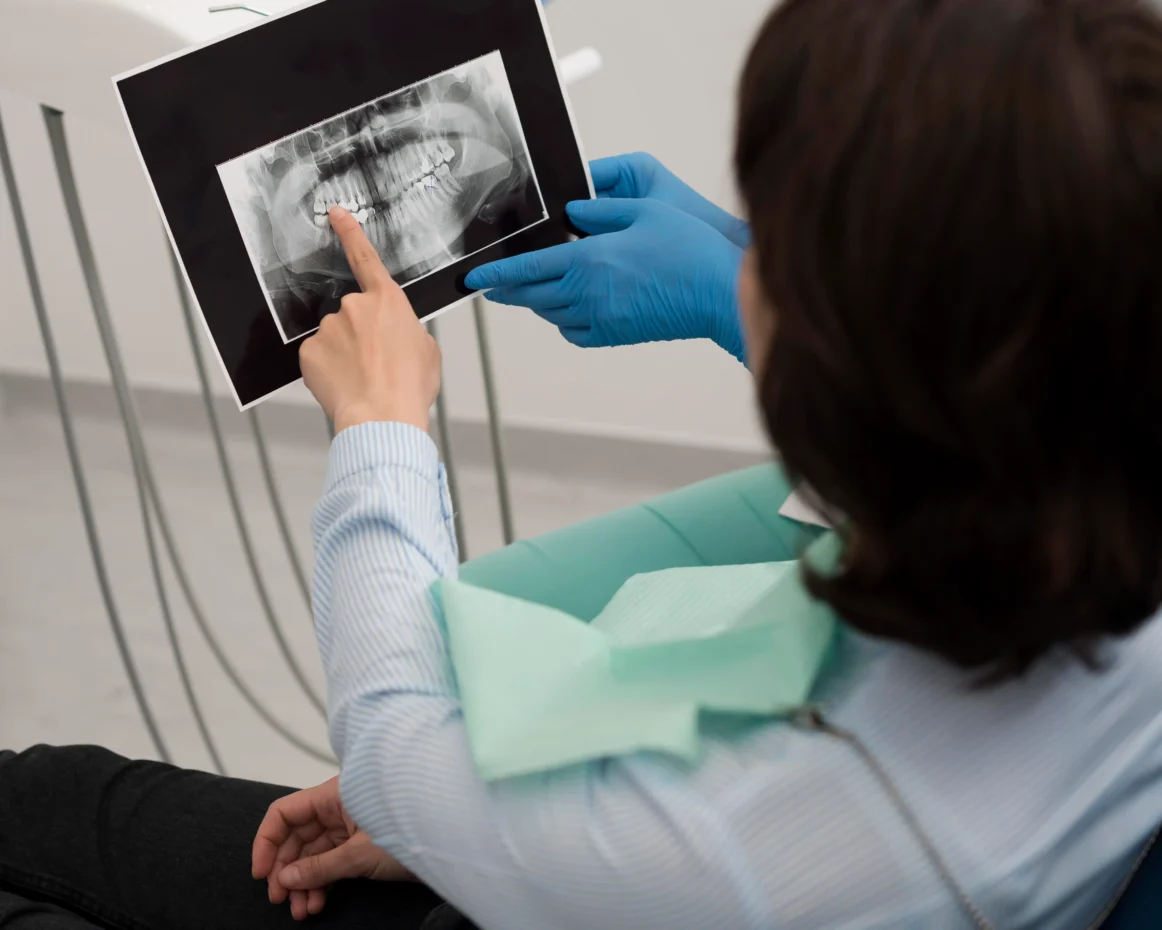
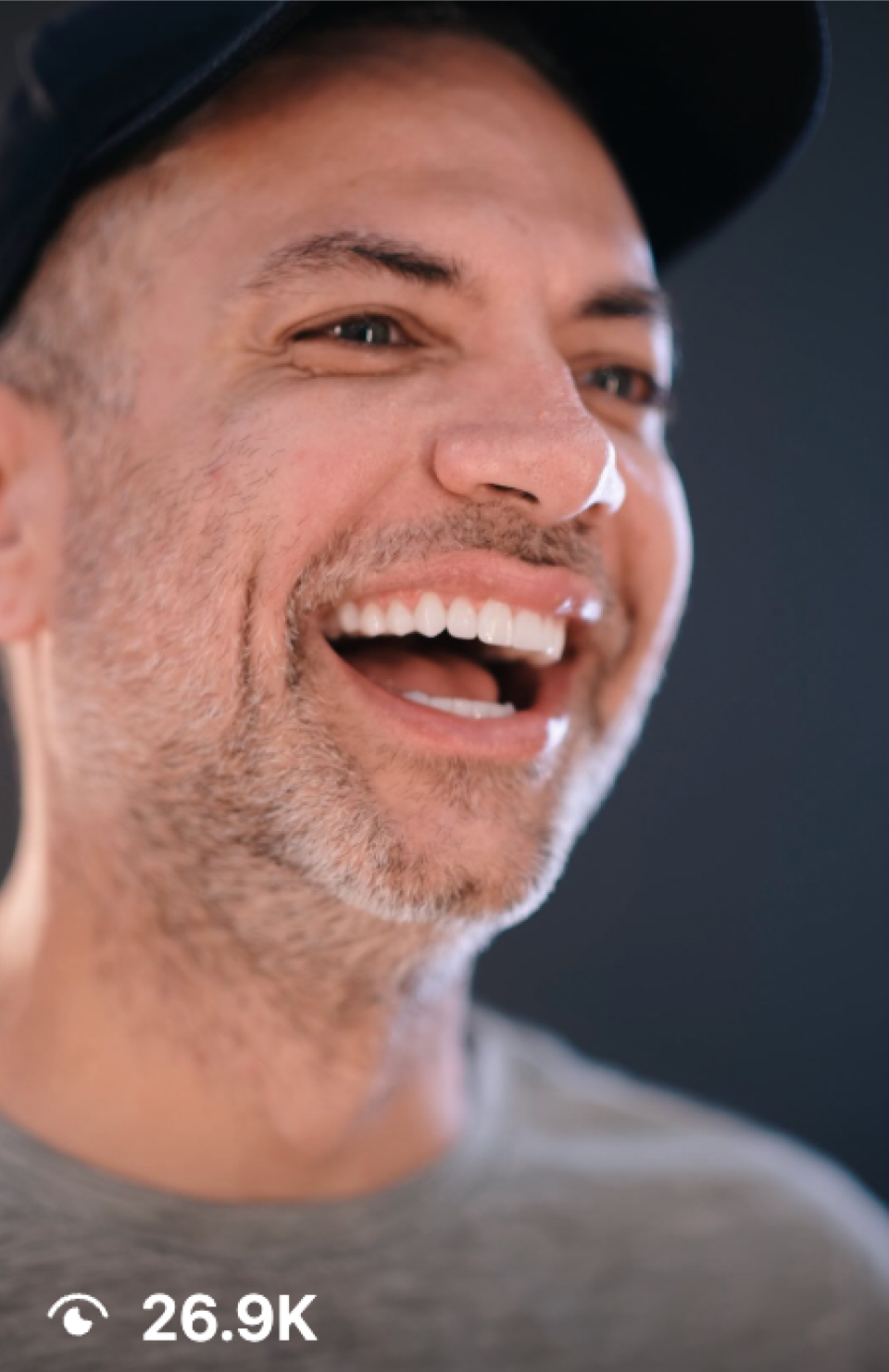
So: can dental work be reversed? “Reversed” isn’t quite the right word for most of it — but that matters far less than you’d expect. What you’re really asking is whether your situation can be corrected. In most cases, yes. You can see one case here, a patient who had reached the point of not eating comfortably.
What’s actually reversible, and what isn’t
It’s worth knowing which category your treatment falls into, because it changes what’s possible.
Genuinely reversible: dental bonding, whitening, composite veneers, removable appliances. These come off without touching the natural tooth. If bonding chips or discolours, or the shape was wrong from the start, you take it off and redo it. The tooth underneath is untouched. That’s what reversible actually means.
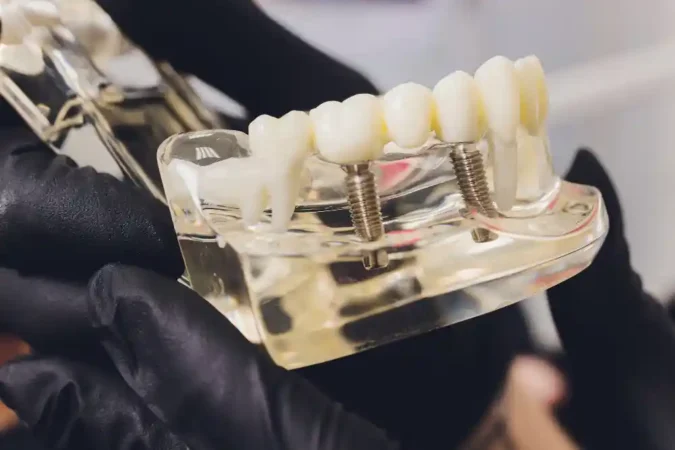
Not reversible, but replaceable: crowns, porcelain veneers, bridges, implants. The tooth has already been permanently altered — enamel removed, or surgery performed — and that part can’t be undone.
Here’s the distinction people miss, and it’s the one that keeps them waiting: irreversible does not mean unfixable. Whatever is on the tooth now can come off and be replaced with something that works. The permanence applies to the preparation, not to the result.
Correcting crowns and bridges
If a crown is wrong, you’ll usually know. Pain when you bite down on that side. A dark line showing at the gum. The crown feeling loose, or rocking slightly. Gum receding around it. Decay that keeps returning underneath. None of these resolve on their own.
Replacing a crown is one of the more straightforward corrective procedures. The old one comes off, the tooth is properly assessed and cleaned, and a new one is made and fitted. Most patients notice the difference immediately — the bite settles and the pressure goes. When a crown fits as it should, it stops reminding you it’s there.
Bridges follow the same logic. If the supporting teeth are still in reasonable condition, a poorly made bridge can simply be replaced. If those teeth have been compromised — which happens when a bridge has fitted badly for years — implants are usually the better long-term answer, since they don’t depend on neighbouring teeth at all.
DentSpa has an in-house laboratory, which matters practically rather than as a selling point: restorations are produced on site rather than sent away, so the turnaround is shorter — worth knowing if you’ve travelled for the correction and your time in Istanbul is finite.
Correcting veneers
Veneers are the procedure where a poor result is visible to you every single time you look in a mirror. The colour doesn’t match the rest of your teeth. They look thick or bulky, or read as a uniform row of rectangles that don’t belong in your face. Gaps opened at the gum line after a few months. You’ve developed sensitivity you didn’t have before.
The causes are usually one of three: the enamel preparation was done poorly, the laboratory work was weak, or the bite was never corrected before placement — so the pressure has been distributed wrongly from day one. That last one matters most, because replacing the veneers without fixing the bite reproduces the same failure.
Because enamel was removed when the originals went on, your teeth will need a restoration permanently. That’s simply the reality. But it also removes the difficult part of the decision: there’s no weighing up whether to intervene, because the teeth are already restored. The only question is whether they’re restored well. The old veneers come off, the teeth are reassessed, and new ones are designed properly.
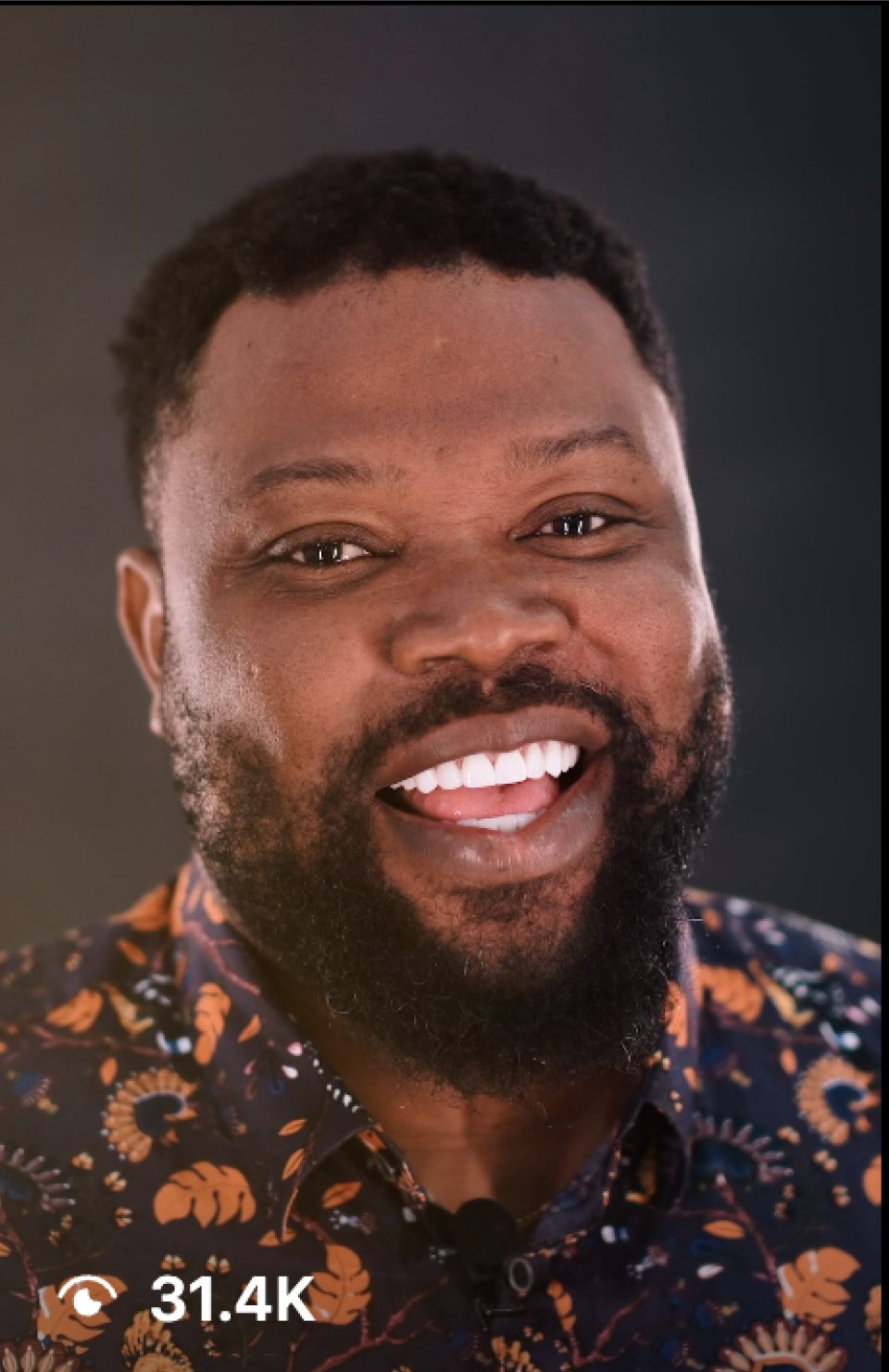
At DentSpa, patients see the intended result through Digital Smile Design before any irreversible work begins — and real cases are in the Smile Gallery. For someone who has already lived through one result they didn’t expect, seeing it in advance isn’t a nice-to-have. It’s the whole point.
Correcting failed implants
The signs are usually hard to ignore: aching or pressure at the site that hasn’t settled, swelling that keeps returning, the implant moving when you touch it (which shouldn’t be possible), gum recession exposing the metal, a bad taste that antibiotics haven’t cleared.
Most of the time the underlying cause is peri-implantitis, an infection of the tissue around the implant. It develops when the area hasn’t been kept clean enough, when the placement was off, or when the implant and the available bone were mismatched. Some implants fail early, having never properly bonded to the bone; others fail years later after what looked like a success. The full picture of both is in our guide to why implants fail.
Both are treatable, on different paths. For an early failure: the implant is removed, the site thoroughly cleaned, bone grafting carried out if needed, and a new implant placed once the site has healed. For a late failure driven by infection, the infection has to be fully resolved first — deep cleaning, antibiotics, sometimes surgery — before anything is placed. Re-implanting into an unresolved problem doesn’t work.
Worth being straight about the odds. A systematic review of 8 studies covering 673 implants in 557 patients placed at sites where an implant had previously failed found a weighted mean survival of 86.3% — rising to 90% for rough-surfaced implants, the type used in modern practice.1 That is lower than the survival reported for a first implant, and it should be: a site that has already failed once is a harder site. The authors’ own reading of that figure is the encouraging part — an 86.3% success rate suggests most first failures come down to modifiable causes such as infection, positioning or bite overload.1 Which is precisely why the diagnosis matters more than the second surgery does.
Correcting a failed or incomplete root canal
A root canal that hasn’t worked tends to announce itself: pain that never fully went away, sensitivity returning months later, swelling around the tooth, or a new abscess on a tooth that was supposedly treated. Sometimes the problem surfaces years after the original procedure.
Root canals fail for a handful of reasons. There may be additional canals that were never found or cleaned. The root anatomy may have been complex enough that navigating it thoroughly the first time was genuinely difficult. A crown may not have been placed soon enough afterwards, letting bacteria back in. Or new decay opened a pathway.
The fix is endodontic retreatment: the tooth is reopened, the old filling material removed, the canals cleaned more thoroughly and resealed, and a new crown placed. It’s more demanding than the original procedure and needs someone who does retreatment regularly. But retreated teeth can serve for decades — and when the alternative is extraction followed by an implant or a bridge, retreatment is almost always the right call.
Correcting bonding
Bonding is the easiest thing on this list to put right. The composite comes off without touching the natural tooth — one appointment, in which the old bonding is polished away, the tooth prepared, and new composite applied and shaped. If yours has chipped, stained, or was uneven from day one, it’s a fixable problem with no complications attached.
What to look for when choosing where to have it corrected
Many of the patients DentSpa treats aren’t there for a first procedure. They’re there because something didn’t turn out as expected and they want it properly corrected. Revision work isn’t a sideline here; it’s a substantial part of what the clinic does.
The diagnostics matter more for a correction than for first-time treatment. Understanding what went wrong — rather than guessing at it — needs 3D CBCT imaging and proper planning before anyone picks up an instrument. Replacing a restoration without diagnosing why the first one failed is how people end up doing this twice.
Who does the work matters too. Complex corrective cases sit with specialists — oral surgeons, implantologists, prosthodontists. The DentSpa clinical team includes specialists with academic and PhD backgrounds, and each profile lists their education, specialisation and published work, so you can read the background of the person treating you before you commit to anything.
And the things you can verify independently. DentSpa is licensed by the Turkish Ministry of Health, certified to ISO 9001 and ISO 10002, and a member of the Turkish Dental Association. It was named best dental clinic in Europe in the odontology category at the European Awards in Medicine, and holds the Certification for Excellence in Medical Travel Patient Experience from Global Healthcare Accreditation, which assesses the parts of treatment abroad a clinical inspection doesn’t reach.2 Over 50,000 international patients have been treated at the Şişli clinic; what they made of it is in the verified Trustpilot and Google reviews.
On cost: correcting dental work privately in the UK or US often costs as much as the original treatment did, which is what stops many people from doing anything at all. Istanbul is substantially below both — as an approximate market guide rather than a quote. Your own figure depends entirely on what has to be undone and rebuilt, and is confirmed in writing after a free consultation.
Finally, the practical side: a dedicated coordinator manages the process for international patients, from reviewing X-rays before you travel through to aftercare once you’re home. How that works is set out on the international guests page.
Where to start
Dental work that went wrong can almost always be corrected. The path isn’t always short or inexpensive, but it exists — a new crown, replacement veneers, a properly treated implant site followed by re-implantation, or a root canal retreatment that does what the original didn’t.
The part that matters most is getting a proper assessment before you commit to anything: not just what the new result should look like, but what went wrong and why. Without that, a correction is just a second attempt at the same mistake.
DentSpa’s clinical team reviews cases online at no cost before you decide whether to travel. Send your X-rays and photos, and you’ll get an assessment and a correction plan back.
Frequently asked questions
Can dental work be reversed?
Can veneers be replaced if I don't like them?
Can a failed dental implant be replaced?
Can a root canal be redone?
How do I know if my dental work needs correcting?
What should I check before having a correction done abroad?
Why did my dental work fail in the first place?
Sources
- Oh SL, Shiau HJ, Reynolds MA. Survival of dental implants at sites after implant failure: A systematic review. Journal of Prosthetic Dentistry. 2020;123(1):54–60. pubmed.ncbi.nlm.nih.gov/31027959
- Global Healthcare Accreditation — DentSpa Strengthens Global Trust in Turkey’s Dental Services with GHA Certification, 16 July 2026.
- American Dental Association — MouthHealthy: Root Canals.
- Cleveland Clinic — Dental Restorations: What They Are & Types.









 70%
70%