Table of content
Table of content
Dental implants have become one of the most reliable ways to replace missing teeth, but for many patients in the US and UK, the cost can be a barrier. That’s why Istanbul has become a serious alternative—not just for affordability, but for clinics that handle thousands of implant cases every year. Still, one question always comes first: is it really worth traveling for? To answer that properly, it helps to break things down clearly—costs, process, risks, and what the overall experience actually looks like.
How Much Do Dental Implants Cost in Istanbul?
The cost of dental implants in Istanbul isn’t fixed—it depends on the implant brand, the clinic’s setup, and whether your case requires additional procedures.
That said, most international patients fall within a fairly predictable price range, especially when working with established clinics.
Average Price per Implant Type (2026 range)
- Alpha Bio (budget range): €400 – €700
- Nobel Biocare (mid–premium): €700 – €1,100
- Straumann (premium): €900 – €1,400
In many cases, these prices aren’t just for the implant itself—they’re part of a combined treatment package.
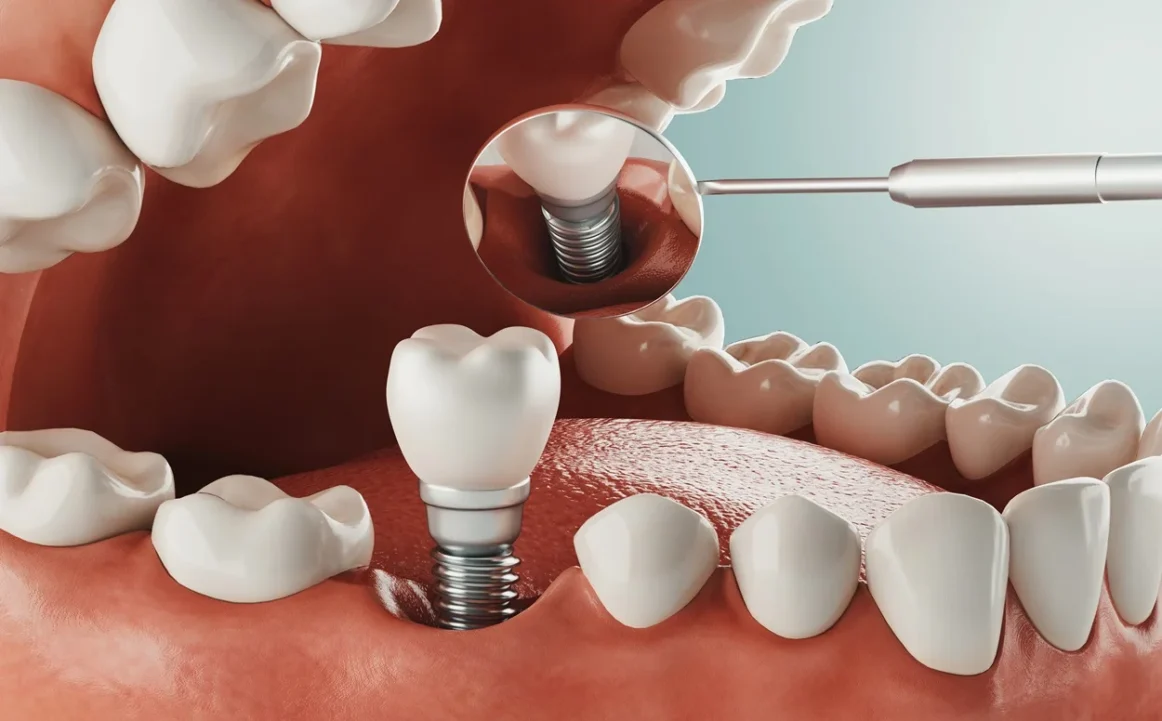
- Implant placement: the titanium post placed into the jawbone to act as an artificial root.
- Abutment: a connector that links the implant to the final restoration.
- Crown (in many packages): the visible tooth, designed to match surrounding teeth in shape and color.
How Does That Compare to the US & UK?
For context, implant costs in the US and UK are significantly higher, even before adding any additional procedures.
- UK: £2,000 – £3,500 per implant
- US: $3,000 – $5,000 per implant
Even after factoring in travel and accommodation, many patients still end up saving around 40–70% overall.
Full Mouth Implants in Turkey: Packages & Pricing
For patients dealing with multiple missing teeth—or complete tooth loss—full-mouth implant solutions are often the most practical long-term option. Instead of replacing each tooth individually, these treatments rebuild the entire arch using a fixed structure supported by a limited number of implants.
If you’re still exploring how implant treatment works step by step, it’s worth reviewing the full tooth implant procedure and what each stage involves before comparing full-arch options.
Typical Full-Arch Options
- All-on-4: uses four implants to support a full fixed arch, often suitable when bone availability is limited.
- All-on-6: adds extra support and distribution, commonly used for increased stability and long-term load balance.
- All-on-8: involves placing eight implants for maximum support, typically recommended in cases where bone volume allows for a more distributed load and a highly durable long-term restoration.
Choosing between these options depends on bone structure, bite force, and long-term planning—not just cost. For a more detailed comparison between different full-arch protocols, including advanced cases, you can explore this breakdown of full-arch implant rehabilitation approaches.
What to Expect During the Implant Process
The treatment itself is usually more straightforward than most patients expect. After a detailed assessment, implants are placed under local anesthesia in a relatively short procedure, and most patients return to their normal routine within a few days.
The healing phase takes a few months, during which the implant integrates with the bone before the final restoration is placed. While this part isn’t visible, it’s essential for long-term stability.
Like any medical procedure, there are some risks—such as infection or healing complications—but these are uncommon when the treatment is properly planned and monitored.
Are There Any Risks with Dental Implants?
Like any medical procedure, implants aren’t completely risk-free—but serious issues are not common when everything is planned properly.
The things dentists usually watch for include:
- Infection around the implant area
- The implant not fully bonding with the bone
- Temporary sensitivity or nerve irritation
- Sinus-related issues for upper jaw implants
In most cases, these problems are linked to planning or healing—not the implant itself. That’s why the initial assessment and follow-up care matter just as much as the procedure.
Who Might Not Be Suitable for Implants?
Not everyone can go straight into implant treatment, at least not without some preparation.
For example, you may need additional steps if:
- Bone density is too low
- There’s untreated gum disease
- You smoke heavily
- Certain health conditions affect healing
That doesn’t automatically rule you out. In many cases, dentists can still move forward after preparing the area—often with procedures like bone grafting.
When Do You Need Bone Graft or Sinus Lift?
Not every patient has enough bone to support dental implants. In some cases, additional procedures are needed to create a stable foundation before treatment can move forward.
Bone Grafting
This procedure is recommended when bone density is too low—often after long-term tooth loss. It helps rebuild the jaw structure, making it possible to securely place implants. You can learn more about how this works in this detailed guide to bone grafting procedures.
Sinus Lift
A sinus lift is used when the upper jaw doesn’t have enough vertical bone height. By adjusting the sinus area, it creates the space needed for stable implant placement. If you want a clearer understanding of the procedure, you can explore how sinus lift treatment is performed.
While these procedures may sound complex, they are routine in experienced clinics and are often a standard step in preparing for long-term implant success.
Does the Implant Brand Matter?
Not all implant systems are the same, but for most patients, the difference isn’t just about the brand—it’s about how well the treatment is planned and executed.
Well-known systems like Alpha Bio, Nobel Biocare, and Straumann are widely used in modern clinics, each offering different levels of pricing, clinical data, and long-term performance. However, the most important factor is choosing the right solution for your specific case, rather than focusing on the brand alone.
How Long Does the Whole Process Take?
Dental implants have become one of the most reliable ways to replace missing teeth, but for many patients in the US and UK, the cost can be a barrier. That’s why Istanbul has become a serious alternative—not just for affordability, but for clinics that handle thousands of implant cases every year. Still, one question always comes first: is it really worth traveling for? To answer that properly, it helps to break things down clearly—costs, process, risks, and what the overall experience actually looks like.
Is It Safe to Get Dental Implants in Turkey?
For many patients, safety is the first concern—and in Turkey, particularly in Istanbul, the answer is closely tied to how the system is structured rather than just the location itself. Clinics in Istanbul often use the same implant brands, digital planning systems, and clinical protocols you would find in the US or UK, and in some cases, even more updated workflows due to the high volume of international patients.
At the same time, the cost difference makes treatment more accessible without necessarily reducing quality. As mentioned earlier, patients can receive comparable treatments at significantly lower costs, which is one of the main reasons dental tourism in Istanbul has grown so rapidly.
Beyond the clinical side, the experience itself is designed to be straightforward. Most patients arrange everything before traveling—from their treatment plan to airport transfers and accommodation—so they’re not dealing with logistics on arrival. Instead of managing appointments on their own, the process is already structured, which makes the overall journey feel more controlled and predictable.
Istanbul also remains one of the most visited cities in the world, known for its history and accessibility, while being geographically and politically stable compared to some of the wider regional tensions. For many patients, this adds an extra layer of reassurance when planning their trip.
DentSpa reflects this model clearly. The clinic has treated tens of thousands of international patients and was recognized as the best dental clinic in Europe in 2024.
You can also explore real patient feedback through their reviews page, where patients share their full experience—from planning to aftercare.
To get a clearer idea of what the journey looks like from a patient’s perspective, you can also watch real experiences shared by our patients.
Start Your Implant Plan with a Free Consultation
Before you travel, the most important thing is understanding your case clearly—what needs to be done, how long it will take, and what the final result should look like.
A proper plan, built on detailed assessment and digital scans, helps avoid surprises and makes the entire process more predictable from day one.
You can get a clear view of your treatment before you arrive through a free online consultation. You’ll receive a personalized plan, transparent pricing, and step-by-step guidance so you know exactly what to expect.
Frequently asked questions
Can I eat and chew normally with dental implants?
Yes, you can eat and drink your regular diet comfortably with dental implants. You won’t have dietary restrictions that are often associated with removable dentures.
How do I care for my dental implants?
Taking care of dental implants is comparable to caring for regular teeth. Don’t worry; our dental team will explain all you need to do to care for dental implants appropriately. Some things you will need include regular brushing, flossing, and routine dental check-ups.
What is the cost of dental implant surgery?
The cost of the implants depends on the technique used and the quality of the prosthetics. Before making any travel plans, you can request a free consultation with DentSpa to get personalized advice and a clear treatment plan. This allows you to arrive in Turkey fully prepared, with all details arranged in advance—ensuring that your time is used efficiently and your treatment starts without delay.
How long is the implant treatment period?
This depends on the technique used for your dental implant procedure. For the single-stage method, the treatment period typically lasts 1-2 weeks. The two-stage approach allows full implant integration into the jaw bone before crown placement, so the treatment lasts a few months.
How long do dental implants last?
Dental implants are designed to be permanent. This is because they integrate with the jawbone directly, forming a solid bone-to-bone link. Even while the implant is meant to last a lifetime, the crown placed on top of it may need to be changed after 10 to 20 years of use.















 70%
70%