Table of content
If someone tells you you have a “dead tooth,” it might sound like a joke to you. But that is a thing some people have to live with.
Actually, a tooth dies when it no longer gets the blood and nerve signals it needs to stay alive. This condition can happen suddenly or grow to become a major discomfort.
With how hurtful a dead tooth can become, modern dentistry gives several reliable ways to treat and often save a tooth from total death.
Knowing this, how can you confirm you don’t have a dead tooth? What could cause you to lose your tooth? And what treatments can you undergo to save your dead tooth? This article covers all that and more, so you know exactly when to call your dentist.
What Does a Dead Tooth Mean?
A dead tooth is a nonvital or necrotic tooth. It is a tooth that has had the soft tissues inside, also known as the pulp, destroyed. A dead/dying tooth starts when the pulp loses its access to blood supply and nerve function from the body. This leads to a condition dentists call pulp necrosis.
How Does Tooth Death Happen?
Pulp death can happen because there is a deep decay that has allowed bacteria to reach the pulp. A blow to the mouth could also sever the tooth’s blood vessels and nerves. Sometimes, a tooth can go into necrosis slowly after a childhood injury and only show signs years later.
The tooth’s pulp contains important nerves and blood vessels that keep it healthy and alive. If those systems fail, your tooth essentially “dies.”
So what causes tooth death?
A tooth can die because of a number of reasons. Here are the more common reasons for tooth death.
- Ignored Tooth Decay: When a tooth decays, bacteria can invade using the cavities it creates. This lets it get into the pulp to infect or inflame it. This invasion leads to a pressure build-up inside the pulp chamber, which leads to its death.
- Trauma: A sports accident or blunt force to the mouth years ago could rupture blood vessels in the tooth, making it die slowly. This trauma can cause instant or sometimes delayed nerve death.
Dr. Mehmet Kalcay, an endodontic specialist with DentSpa, once spoke on this. He says, “I’ve seen many patients who had mouth injuries when they were kids ignored. Over time, they’d have dental issues relating to those injuries, but it’s often too late to do anything about it.” - Advanced Gum Diseases: The gum tissues and bone supporting the tooth can also deteriorate because of periodontitis. This is the advanced stage of gum disease. The pulp dies because, over time, the periodontitis cuts off its blood supply.
- Other Ignored Causes: There are other, less common causes of tooth death that get ignored. Some of them include bad oral hygiene, diabetes, smoking, teeth grinding, etc. These factors also weaken the gums and jawbones, increasing the risk of a dead tooth.
How Do I Know My Tooth Is Dying?
How can a person know their tooth is dying? Sometimes, it’s a sharp tell, other times, it could be a vague feeling in your mouth. Let’s cover some of the best ways you can know right here:
- Discoloration: As the pulp dies off, the tooth begins to change color. It could become any of light brown, yellow, gray, or even black. And unlike normal surface stains, this color can’t be cleaned by regular brushing because it happens from within.
- Sensitive Tooth: A tooth that is sensitive to hot or cold temperatures and has a sharp or aching pain is a sign of tooth death. In the beginning, the pain means the nerves are hurting and dying. Once the pain disappears entirely, it does not mean the problem is gone; it is a sign of complete pulp death.
- Persistent Bad Breath: Sometimes, the cause of bad breath is the infected pulp inside a dead tooth. Especially if you can’t seem to get rid of it by brushing. The infected or decayed pulp could leak out, causing constant foul breath and an unpleasant taste in the mouth.
- Pain When Biting or Chewing: If a tooth feels numb on its own but gives a sharp pain when you’re eating or applying pressure on it. That is another sign.
If you notice any of the above signs, have a dentist conduct an exam and imaging for you. If you’re early, you can save your tooth from dying. If you’re late, you can stop the infection from affecting the other teeth.
Can a Dead Tooth Be Saved?
For all intents and purposes, YES, provided it’s not too late. Dr. Mehmet Kalcay once broke down the process by which modern dentistry can help save a dead tooth. It went like this:
1. Diagnosis and Initial Assessment
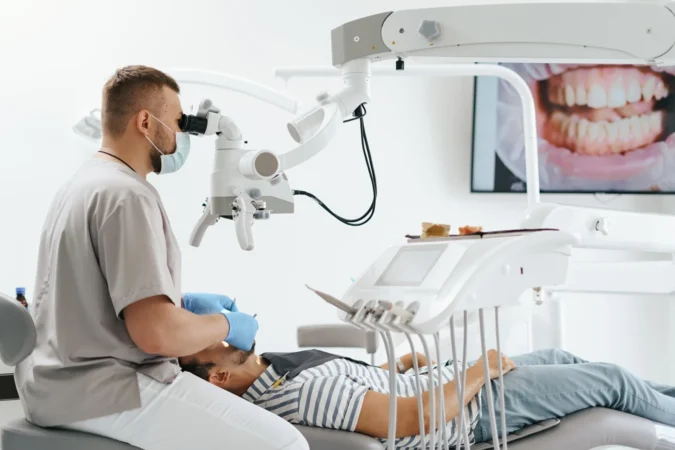
Your dentist has to perform a detailed examination first. He’d check for color changes, swelling, drainage, and whether the gum around the tooth is tender. He’d also test for vitality with temperature or electric tests and take at least one radiograph. This is to look for bone changes or abscess formation at the root tip.
The result he gets from these tests will help him know the best way to save your tooth. Then he’d discuss treatment options with you.
2. Root Canal Therapy
Root canal therapy is the hero treatment for a dead tooth. If the tooth is restorable, a root canal is the best way to save it.
It involves:
- Your dentist gently numbs the affected area.
- Then, he creates a small opening through the crown and removes the infected or dead pulp tissue inside the tooth.
- Then, the hollow chamber is cleaned and disinfected thoroughly with irrigants.
- It is then sealed with a special inert filling material to stop bacteria from returning.
- After sealing, a crown or a veneer is placed to restore the tooth’s strength, its function, and its natural appearance.
Using modern dentistry, root canal treatments are as painless and as quick as possible. This means you can complete a root canal treatment in one or two visits to your dentist’. A root canal can help you keep your natural tooth, which is the best for both its function and your Hollywood smile.
Additionally, Dr. Mehmet Kalcay says, “If someone already performed a root canal and symptoms or radiographs show persistent infection, I may recommend retreatment.” This means a root canal treatment can be performed again if the first treatment fails or has complications.
3. Extraction of the Tooth and Replacing It
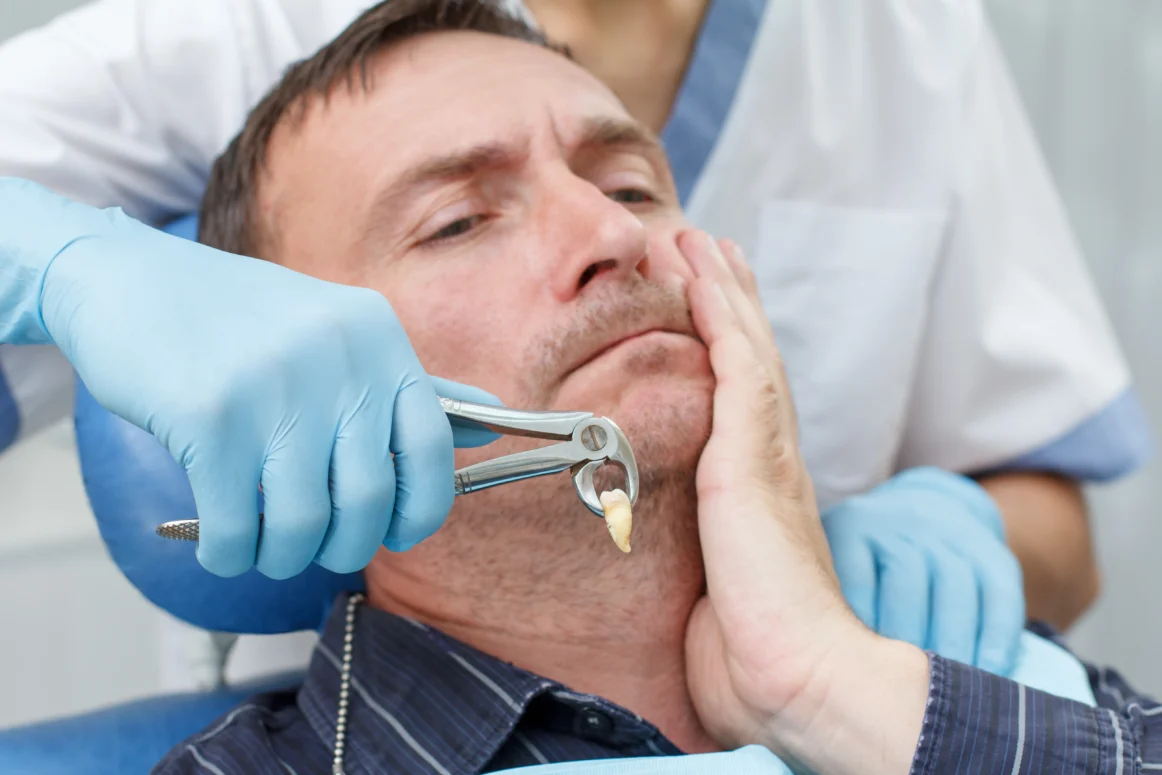
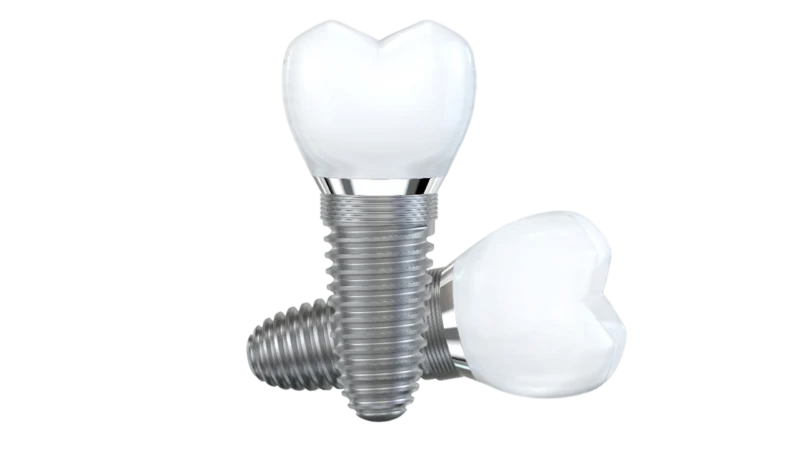
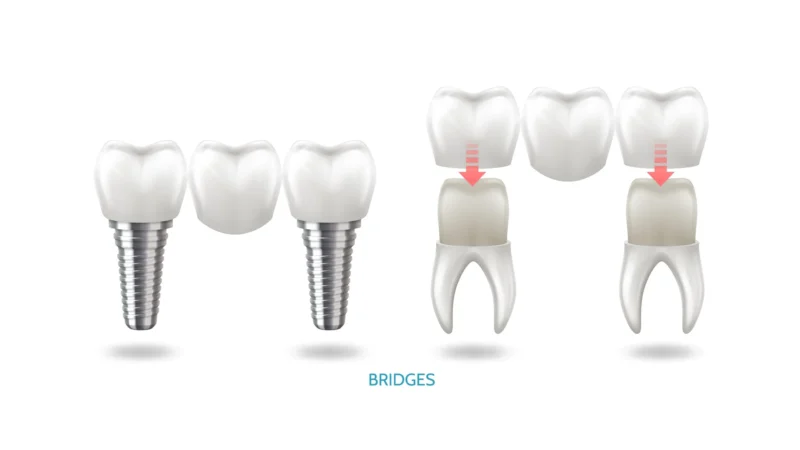
The Dentist will only recommend an extraction and replacement when the tooth is extremely damaged. If the infection is severe enough to destroy the majority of the jawbone then the Dentist may also recommend an extraction and replacement. If you are able to remove the dead tooth, then the Dentist will recommend replacing the dead tooth with one of several options such as dental implants, a fixed bridge or a removable partial appliance. When you replace a tooth, you continue to be able to chew food and prevent the surrounding teeth from shifting.
4. Post-Treatment
Following treatment, your dentist will likely recommend that you attend follow-up appointments and have additional radiographs (X-rays) taken. These are to assess if there is proper healing of the bone surrounding the root of the treated tooth.
In addition to the treatment provided by your dentist, Dr. Mehmet Kalcay instructs each of his patients on ways to prevent future trauma to their treated tooth; he also instructs them on the use of a mouthguard to protect their teeth when participating in sports.
Good oral hygiene and consistent dental checkups will provide a great opportunity for maintaining a healthy treated tooth for many years.
Get the Best Care To Save Your Tooth
So, is it possible to save a dying tooth? Yes. If you spot the signs early and report to your dentist, you can stop a tooth from dying at the earliest time.
Even if retreatment is an option, it’s always best to get your dental work done without multiple surgeries. It helps avoid the strain, extra hassle, and expenses.
That means doing your dental care with certified oral surgeons who can guarantee you have no need to come back.
With nearly three decades of experience, DentSpa has guaranteed expert care to dental patients of all ages. As testament to their trusted care, the hospital was recently named the Best Dental Clinic in Europe.
With over 50,000 success stories, we are fully confident in being able to remove any infection that might risk the life of your tooth. And if an extraction is the logical option, we will talk through the replacements with you. So go ahead and book a free consultation, and let’s find out the best way to save your tooth.
Frequently asked questions
What Can I Do If I See Symptoms Indicating That My Tooth Is Dead?
If you see any of the signs of a dead tooth as mentioned above you should call your dentist right away. In most cases early detection and diagnosis results in the tooth being saved.
Do I Have A Second Chance At Treatment If The First One Doesn’t Work?
You do have a second chance at treatment, as long as there are still problems like leaks, irregular pain or other issues, contact your dentist to get a new X-ray and to see if retreatment will be an option.
Retreatment is a direct indication of a lack of experience or skill, and this is one of many reasons to use a well-known place to go to like DentSpa for your treatments.
How Can a Dead Tooth Be Treated?
Oral surgeons can treat a dead tooth with a root canal treatment or an extraction and replacement. Root canal treatments are done when a simple cleanout of the dead pulp and the infection is enough. An extraction and replacement surgery is usually done if the damage to the jawbone is extensive.
What Causes Tooth Death?
According to Dr. Mehmet Kalcay, a tooth can die for any number of reasons. It could be due to an ignored tooth decay case, a mouth injury way back in the past, periodontitis, bruxism, smoking, certain conditions like diabetes, and more. If you notice any signs, reach out to your dentist for a check-up.
Can a Dead Tooth Be Treated?
Yes, it can. With modern dentistry, you can save a dead tooth if the damage to your gums or the supporting jawbone is not much. If it is, your dentist would most likely recommend an extraction and replacement strategy.








 70%
70%