Table of content
Table of content
Buck teeth can make you feel like your smile pulls attention before you even speak. Many people live with the discomfort of teeth that lean forward, lip strain, or a dental profile they do not love. The good news, though, is there’s a fix and people don’t have to live with it if they don’t want to.
In this article, we will explain what buck teeth are, why they happen, how mild or severe they can be, and the practical cosmetic options adults can use to improve their smile.
By the end, you should know the realistic options for treatments without going through orthodontics, and the next steps you should take to get a confident smile.
What Are Buck Teeth?
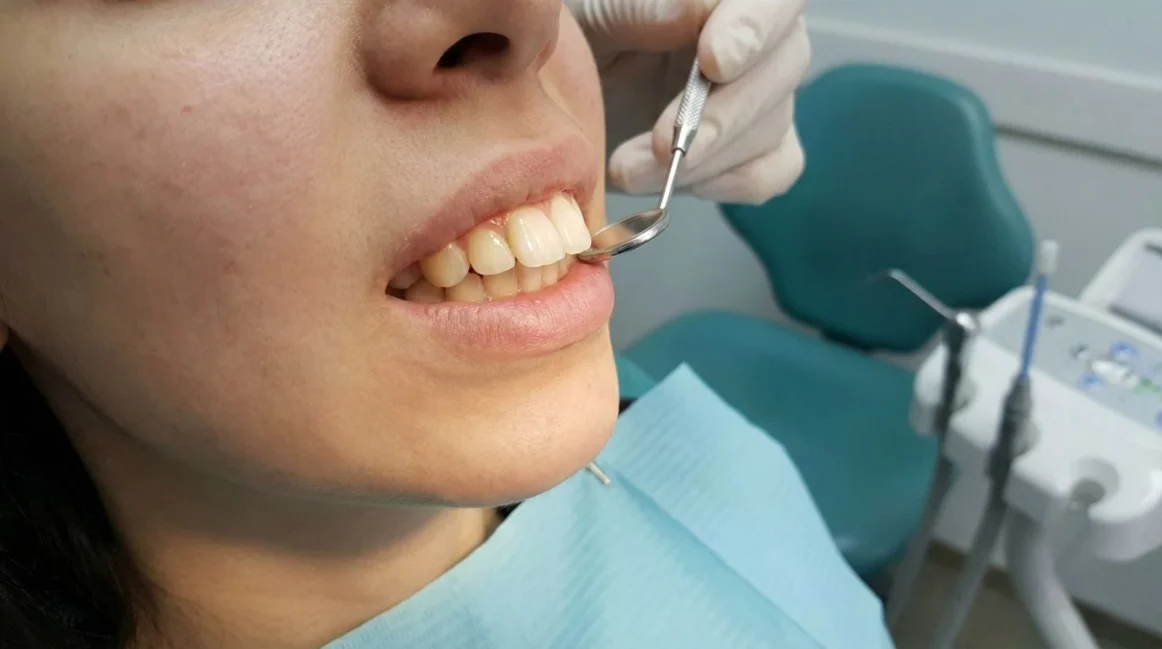
Buck teeth, or overjet, is a common way to describe a forward projection of the upper front teeth that changes the balance of the smile. Clinically, the appearance can come from the teeth themselves or from the relationship of the upper and lower jaws.
In an adult, overjet shows as a protrusion of the front teeth or strain on the lips when closing. It results in a dental profile that looks more convex than normal. For some people, buck teeth are a beauty issue; for others, it’s a case that affects biting and general tooth use.
What Causes Buck Teeth?
The causes of buck teeth are many, and in some cases, they overlap. Here are the most common causes.
- Childhood habits like thumb sucking.
- Long-term pacifier use in early years.
- Tongue thrusting when speaking or swallowing.
- Genetics that influence jaw size and tooth shape.
- Early tooth loss that changes natural alignment.
- Trauma that shifts the front teeth.
Some of these causes can lead to buck teeth if they become a habit and persist over time.
How Severe Can a Buck Tooth Be?
If you’re looking to correct buck teeth, the severity of your case could be divided into three levels, namely, mild, moderate, and severe. The differences between them are judged by.
| Mild | Moderate | Severe |
| – Slightly forward tooth – Spacing issues – Cosmetic concerns only – Ideal candidates for cosmetic corrections | – Visible forward projection – Some bite imbalance – Often treated with a combined cosmetic plan. | – Jaw relationship issues. – Functional impact on chewing – Usually requires orthodontics or a multidisciplinary plan before cosmetic work. |
Cosmetic or Orthodontic Treatments: Which is The Preferred Choice
Orthodontics, such as braces or aligners, moves teeth and is excellent for many patients.
While they are a solid option, this blog focuses on adult patients who prefer cosmetic treatments with lesser healing timelines. Cosmetic treatments can also be the preferred choice when the protrusion is mild enough that reshaping produces the desired result.
Still, we ensure we evaluate bite stability and advise when an orthodontic consult is the right call.
How to Get Rid of Buck Teeth With Cosmetic Options
Here, we will explain the clear, practical treatments adults choose when they want faster cosmetic improvements without long orthodontic timelines.
We will break down the process so you know exactly what each option does and what to expect.
Diagnosis and Treatment Planning
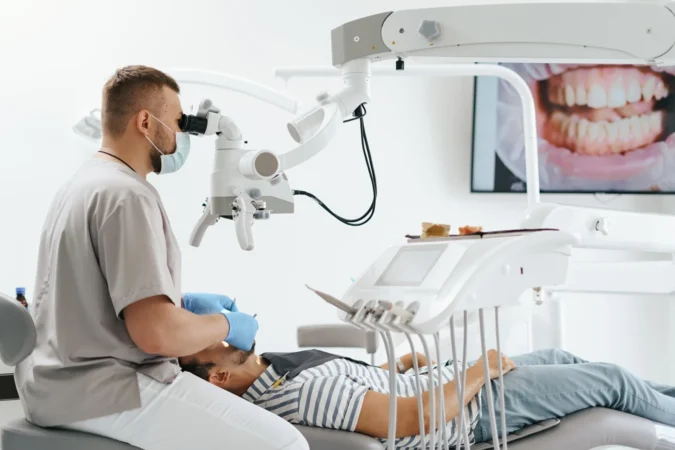
At the beginning of a diagnosis, a dentist will listen to what the patient wants to change, then check the tooth position, gum health, enamel condition, and the overall bite. He will also take digital photographs and radiographs to see the tooth roots and jaw structure.
This helps a dentist know if the issue is majorly cosmetic or if there are other hidden concerns that should be treated first.
Then we discuss realistic outcomes, the timeline, and maintenance needs so that the patient can choose confidently. It is also here that we inform patients if the best solution for their dental work is an orthodontic treatment, not cosmetic work.
Can Veneers Fix Buck Teeth?
Veneers can correct the shape and appearance of mild or moderate buck teeth. They work by changing the visible front surfaces so the smile looks balanced.
What Veneers Can Do:
- Improve the angle of the front teeth.
- Make protruding teeth appear straighter.
- Hide chips, cracks, and uneven edges on the teeth.
- Brighten the entire smile with one treatment.
- Create a smooth and symmetrical Hollywood smile.
What Veneers Cannot Do:
- Veneers cannot move the root of a severely protruded tooth.
- They cannot replace orthodontics when the bone structure is significantly misaligned.
Types of Veneers To Choose in Cosmetic Treatments
| Porcelain Veneers | Composite Veneers |
| – Has high strength – Natural translucency – Long lifespan in cases of thin enamel – Great for Hollywood smile designs | – It can be applied in one visit. – It is budget-friendly. – Reversible in many cases. – Great for mild protrusion and first-time cosmetic treatments. |
Note: Veneers will not physically move the tooth root. They only change shape and appearance. This is why we emphasize proper case selection before recommending veneers as the primary solution.
Bonding and Recontouring for Small Aesthetic Adjustments
For a subtle protrusion or when a single tooth needs softening, we often use composite bonding. Bonding lets us add or remove small amounts of material to harmonize the tooth shape.
Meanwhile, recontouring is the removal of tiny amounts of enamel to adjust angles and reduce the appearance of prominence.
These techniques are minimally invasive and usually require little to no anesthesia. They are also repairable and can be combined with whitening for a quick smile boost.
Combined Treatments for Smile Makeovers
Many adult cases benefit from a combination approach. That means we might blend treatments to give the most natural final result when necessary.
This could be performing whitening first, then veneers on some teeth, then bonding or recontouring on the others.
Gum alignment or contouring can also help if the gumline adds to the unbalanced look of the tooth. Since the goal is facial harmony, the dentist can take liberties to get the smile improvement the patient wants.
When Dental Implants or Crowns Can Be Part of the Solution
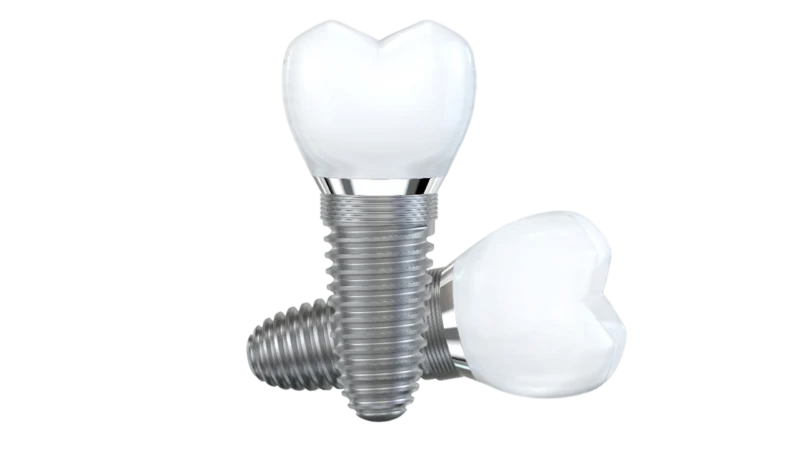
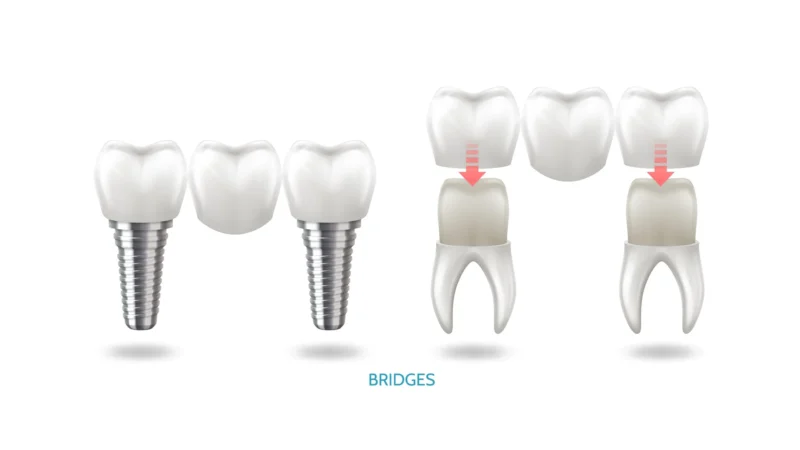
Crowns or dental implants are not common in a regular buck teeth correction plan, but they can be very important in a complex treatment plan.
If a protruding front tooth is damaged or missing, it can be replaced using a dental implant or a crown. This way, they can help in repositioning the seen tooth line, which will give the teeth an improved balance.
Crowns can be used when:
- A front tooth is structurally weak.
- There is heavy discoloration.
- The tooth needs a full protective cover.
Implants help when:
- A front tooth is missing.
- A tooth is damaged beyond repair.
- Replacement is the only viable long-term choice.
Aftercare and Long-Term Maintenance
To protect the results of your dental procedure, you should:
- Use a soft brush and brush gently, not rigorously.
- Use a low-abrasive toothpaste.
- Wear a night guard if you clench while sleeping.
- Avoid using your teeth to open packages.
- Schedule regular checkups.
- Treat tongue thrusting if you’re still doing it.
With attentive care, veneers and bonding can last many years and continue to support a confident Hollywood smile.
Who Is a Good Candidate for Cosmetic Treatments?
As we previously stated, cosmetic options are minor treatments and cannot replace orthodontic treatments where required.
To be a good candidate for cosmetic treatment, you need to have good gum health, adequate enamel, and a normal expectation for your smile.
People with severe jaw-based protrusions, active gum diseases, and other detrimental habits to tooth health may require other forms of treatment.
This is why we always recommend a detailed evaluation before starting cosmetic work. This lets a dentist choose the best, safest, and most satisfying path for your dental procedures.
The Step-by-Step We Take With Patients
Let’s outline the typical pathways so you know what to expect when you book a cosmetic consultation.
- Your dentist performs a full oral exam on you. This includes photos, X-rays, radiographs, etc..
- They listen to your smile goals and explain realistic outcomes.
- The dentist then prepares a tailored plan for you that may include tooth whitening, bonding, veneers, and minimal recontouring.
- Then, they’d proceed with conservative treatments, the fittings, and color when you’re there, so they know they’re getting it right.
- Finally, they will install the final results in your gums and schedule follow-ups to ensure you’re comfortable with it and the longevity of the procedure.
Why Choose DentSpa
Choosing where to have your dental treatment in Istanbul is critical — and DentSpa stands out as a top choice for several compelling reasons:
Experienced and Qualified Team:
Our highly skilled dental professionals, many holding doctorates, actively contribute to academia in government teaching hospitals and universities. You receive care from experts who shape the future of dentistry.
Unrivaled Expertise:
Our dentists, oral surgeons, periodontists, and prosthodontists work together to meticulously plan every case. This collaborative approach ensures both functional precision and exceptional aesthetic outcomes.
Trusted by More Than 50,000 Patients Every Year:
DentSpa has earned a reputation as one of the best dental clinics in Istanbul, welcoming over 50,000 visitors annually — a testament to our quality, consistency, and patient satisfaction.
Guaranteed Satisfaction:
We adhere to the highest standards of care, ensuring your new smile not only meets but exceeds your expectations.
Special Offer:
Everyone deserves a confident, beautiful smile. That’s why we provide cost-effective prices without compromising on world-class quality.
Would you like to speak with one of our team members about planning your dental trip to Istanbul with DentSpa?
Frequently asked questions
Can Buck Teeth Lead to Gum Disease?
Yes, it can. In severe cases, buck teeth can lead to gum disease because their misaligned positions make them harder to clean. Improper cleaning leads to plaque buildup or accumulation, which in turn results in gum inflammation. If left untreated, it can progress to more severe forms of gum diseases.
Are Buck Teeth Harmful or Just Cosmetic?
Mild buck teeth are often primarily cosmetic. For moderate and severe cases, the protrusions can cause chips, uneven tooth wear, and gum stress. If there signs like this, your treatment should address both the health and appearance issues.
Will Cosmetic Treatments Look Natural or Too Obvious?
When done with artistry and restraint, a cosmetic approach looks natural. A consultation with a photographic preview helps set expectations for both the patient and surgeon.
Is Bonding Strong Enough to Correct Buck Teeth?
Bonding is excellent for subtle corrections and for patients who want a conservative option. It is less durable than porcelain but repairs easily. For larger changes, bonding may need periodic touchups to maintain shape and polish.
Can Veneers Fix Buck Teeth Permanently?
Veneers can correct mild or moderate buck teeth cases if used long enough. In severe cases of buck tooth, veneers can fix the tooth shape and size but will require checkups over a long period of time.













 70%
70%