
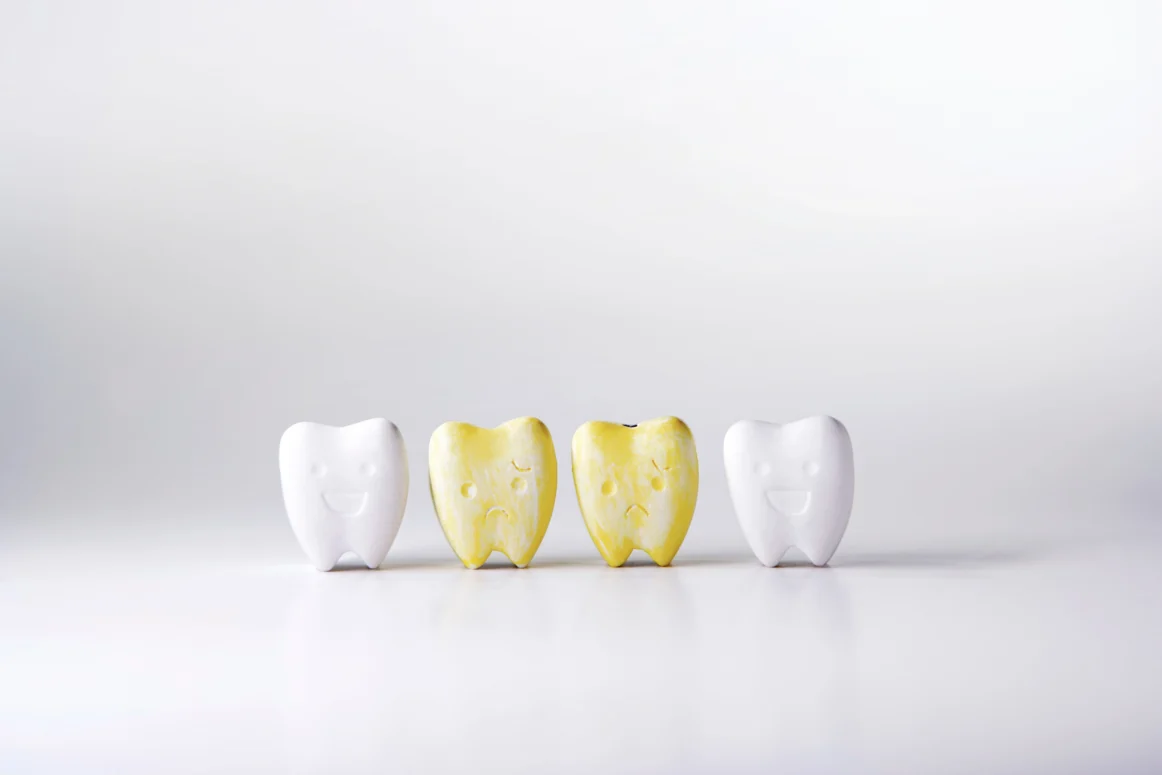
Tooth Color: What It Really Means
The short answer is: not exactly. Tooth colour and tooth strength are two different things — and confusing them is one of the most common dental myths online.
Naturally healthy teeth are rarely bright white. The outer layer of enamel has a bluish-white tint, but because enamel is translucent, the yellow colour of the dentin beneath it shows through — giving most healthy teeth a light yellow or grey cast. This is normal, and it does not mean the teeth are weak.
What actually determines tooth strength is the density and integrity of the enamel, not its shade. A tooth can look yellow and be perfectly healthy — or look white and have significant decay beneath the surface.
In this article, we explain the science behind tooth colour, what causes yellowing, and when whitening is — and is not — the right solution.
What Are Tooth Layers?
To answer whether yellow teeth are stronger than white teeth, it’s essential to understand the different layers that make up a tooth. This knowledge will help us recognize that whiter teeth do not necessarily indicate weaker teeth. Our teeth consist of four main parts, which are as follows:
- The Pulp: In the centre of the tooth, the pulp is an essential living layer of blood vessels and nerves. It makes the soft tissue of the tooth and the foundation layer.
- Dentin Layer: The dentin is the middle layer of the tooth that surrounds the soft tissue of the pulp. It is a living tissue, but unlike the pulp, it is calcified and harder. The dentin layer protects the pulp and is a foundation for the enamel. The dentin layer’s colour determines the tooth’s colour, as the outer layer (enamel) is almost translucent. You will have yellowish teeth if you have a darker shade of dentin.
- Enamel and Cementum Layer: These are the outer layers of the tooth that differ in location. Enamel covers the dentin in the crown area, while cementum covers the dentin in the root part.
Are yellow teeth stronger than white teeth?
The straight answer is no. However, we should distinguish between the strength of the tooth and its color. Yellow teeth are not stronger than white teeth and could be weaker. When the tooth enamel layer attains a darker shade, it could be an early indication of weakened enamel or another dental issue.
The strength of our teeth is influenced by various factors such as genetics, dental care practices, general health, and diet. These factors affect the enamel layer’s color, strength, and sensitivity to cavities and decay. Similarly, the color of your teeth is determined by the color of the dentin layer, which genetic and non-genetic factors can influence.
If you notice that your teeth are changing in color or turning slightly yellow, you should prioritize seeking professional dental advice as soon as possible. Taking preventive action at this stage can help avoid the need for more extensive treatments or interventions later.
What Causes My Teeth to Turn Yellow?
After addressing the central question of this article, “Are yellow teeth stronger than white teeth?” it would be logical to address what causes teeth to go from bright white to slightly yellow or darker shades of yellow. Below are the most common causes of tooth yellowing and discoloration:
- Diet: According to a study in the Journal of the American Dental Association (JADA), certain foods and drinks, such as coffee, tea, soda, alcohol, and some fruits and vegetables, can cause your teeth to become a light-yellow shade.
- Tobacco Products: Tobacco and non-tobacco heated products cause teeth staining and discoloration, as a 2023 study on the National Library of Medicine website indicates.
- Poor Oral Hygiene: Poor or no brushing and flossing practice and not using mouthwash are highly associated with tooth yellowing.
- Aging: As we age, the outer layer of enamel on our teeth gradually wears away, which can lead to the exposure of the natural yellowish color of the dentin underneath.
- Injury or Trauma: Severe injury or trauma can cause teeth to change color due to damage to the enamel and nerves, leading to discoloration.
- Medical Conditions: Certain diseases and treatments can cause tooth discoloration by affecting the enamel and dentin layers. For instance, head and neck radiation and chemotherapy can lead to teeth discoloration.
- Fluoride Exposure: Excessive fluoride in water or excessive use of fluoride products like toothpaste and mouthwash can cause teeth discoloration.
- Medications: Certain medications, like tetracycline and doxycycline, can cause tooth discoloration in children. Chlorhexidine mouth rinses, certain antihistamines, antipsychotic drugs, and high blood pressure medications may also lead to tooth staining or yellowing.
- Genetics: Some people inherit brighter or thicker enamel. If your parents have a bright white smile, you’ll likely have one, too, and vice versa for yellowish teeth.
When Should You Be Concerned About Yellow Teeth?
Not all yellowing is the same — and knowing the difference matters.
Yellowing that is normal and not a cause for concern:
- A light yellow or grey tint that has been present your whole life — this is likely your natural dentin colour showing through the enamel
- Gradual darkening with age — as enamel thins naturally over decades, more dentin shows through
- Mild surface staining from coffee, tea, or red wine that responds to regular brushing
Yellowing that warrants a dental assessment:
- Sudden or rapid colour change — this can indicate enamel erosion or early decay
- Yellow combined with tooth sensitivity — sensitivity to hot, cold, or sweet foods alongside discolouration may suggest the enamel is compromised
- Dark spots or patches — these are not the same as general yellowing and may indicate cavities
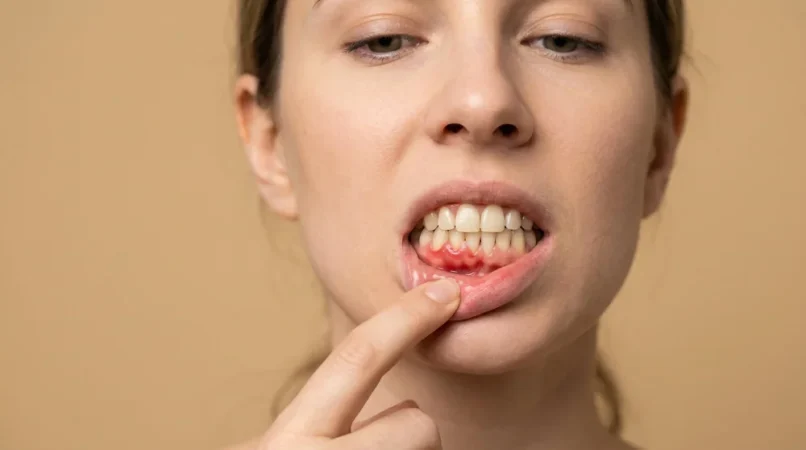
- Yellow accompanied by gum bleeding or swelling — this combination can point to gum disease, which causes teeth to shift and eventually loosen
- Yellowing that does not respond to professional cleaning — if a scale and polish does not improve the colour, the discolouration may be intrinsic and require a different approach
If you are unsure which category your case falls into, book a free consultation at DentSpa — a clinical assessment will tell you whether the colour change is cosmetic or something that needs attention.
Teeth Whitening Treatment at DentSpa
If your yellowing is cosmetic — caused by diet, tobacco, or surface staining — professional whitening is the most effective solution. At-home strips and whitening toothpastes address surface stains only, and results are limited. Professional whitening uses clinically controlled concentrations of bleaching agents that reach stains beneath the enamel surface.
For patients whose teeth are yellow due to structural issues — thin enamel, intrinsic staining from medication, or significant wear — whitening alone may not be sufficient. In these cases, dental veneers or composite bonding can restore a whiter, more uniform appearance permanently, covering the discolouration rather than bleaching through it.
See what professional teeth whitening at DentSpa involves and whether it suits your case.
Professional in Clinic Teeth Whitening Treatment
During a clinic tooth-whitening session, the dentist begins by noting the current shade of your teeth. Polishing removes plaque. To keep teeth dry, dentists isolate the mouth and use a gumline barrier for protection. They apply a whitening solution, often with hydrogen peroxide or carbamide peroxide, to the teeth’s front surface and rinse it off after 30 to 60 minutes. Sometimes, laser or light agents enhance results. Dentists may apply fluoride to reduce tooth sensitivity. They might schedule more visits depending on the staining severity.
Veneers (Hollywood Smile)
Veneers are thin shells made of porcelain or composite resin that are custom-made to fit over the front surface of teeth. They are a widespread and long-lasting solution for various dental issues, including discoloration, decay, and staining. Veneers effectively cover imperfections and provide a durable, resilient solution, giving patients a natural-looking and bright white smile. In essence, veneers act as a versatile solution, offering aesthetic enhancement and functional improvements in the appearance of teeth; they can effectively cover up imperfections such as chips, cracks, and gaps, thereby restoring the more natural bright white smile.
Whitening Trays and Gels
Teeth whitening trays and gels, Dentist-provided kits use stronger peroxide for faster, more efficient whitening, while custom-made trays ensure a perfect fit, reducing the risk of gum irritation. However, avoiding over-the-counter whitening trays and gels is advisable to reduce the risk of triggering tooth sensitivity, harming the enamel layer, or, even worse, causing gum irritation.
Contact DentSpa: Let Us Help You Achieve Your Perfect Smile
At DentSpa, your journey to a radiant smile begins with personalized care and expert guidance. With our advanced cosmetic dentistry techniques and state-of-the-art facilities, we are committed to helping you select the best teeth whitening treatment tailored to your needs.
- Free Consultation: Book a free consultation with our experienced cosmetic dentists to explore your options and find the most effective solution for your teeth discoloration.
- WhatsApp Support: Reach out to us on WhatsApp for instant assistance and answers to your questions about teeth whitening and other cosmetic treatments.
- Tailored Treatment Plans: At DentSpa, we understand that every patient is unique. That’s why we provide customized treatment plans that suit your specific dental goals, budget, and lifestyle.
- State-of-the-Art Technology: Our clinic uses the latest advancements in teeth whitening, including professional-grade in-clinic treatments, custom whitening trays, and long-lasting veneer solutions to ensure stunning results.
- Patient Comfort Priority: Your comfort and satisfaction are our top priorities. Our expert team will guide you through every step, ensuring a seamless and stress-free experience.
- Take the first step toward achieving the bright, confident smile you’ve always dreamed of. Contact DentSpa today, and let us help you choose the perfect teeth whitening treatment that’s right for you. Your dazzling smile awaits!
FAQs
- Are yellow teeth a sign of poor health? Not necessarily. Naturally yellow teeth — where the colour comes from the dentin beneath the enamel — can be perfectly healthy. Yellow teeth become a concern when the discolouration is caused by enamel erosion, decay, or gum disease, rather than genetics or surface staining.
- Can yellow teeth become white again? Yes, in most cases. Surface staining from food, drink, and tobacco responds well to professional whitening. Intrinsic staining — caused by medication, aging, or structural issues — may require veneers or bonding for a lasting result.
- Does whitening damage teeth? Professional whitening, when performed correctly and in appropriate concentrations, does not permanently damage teeth. Overuse of at-home whitening products, however, can erode enamel and increase sensitivity. This is why professional supervision matters.
- Are naturally yellow teeth weaker? No. Tooth strength is determined by the density and health of the enamel, not its colour. Some people with naturally yellow teeth have thicker, stronger dentin than people with naturally white teeth.
- How long does professional whitening last? Results typically last between one and three years, depending on diet and lifestyle. Avoiding staining foods and drinks and maintaining good oral hygiene extends the results significantly.
References
- Watts, A., & Addy, M. (2001). Tooth discolouration and staining: a review of the literature. British Dental Journal, 190(6), 309–316.
- Joiner, A. (2006). The bleaching of teeth: A review of the literature. Journal of Dentistry, 34(7), 412–419.
- American Dental Association — Tooth Whitening/Bleaching: Treatment Considerations for Dentists and Their Patients.ada.org
- NHS — Teeth whitening.nhs.uk/live-well/healthy-teeth-and-gums/teeth-whitening BBC Science Focus — Are yellow teeth stronger?sciencefocus.com













 70%
70%