Table of content
Table of content
What Is Root Tooth Decay?
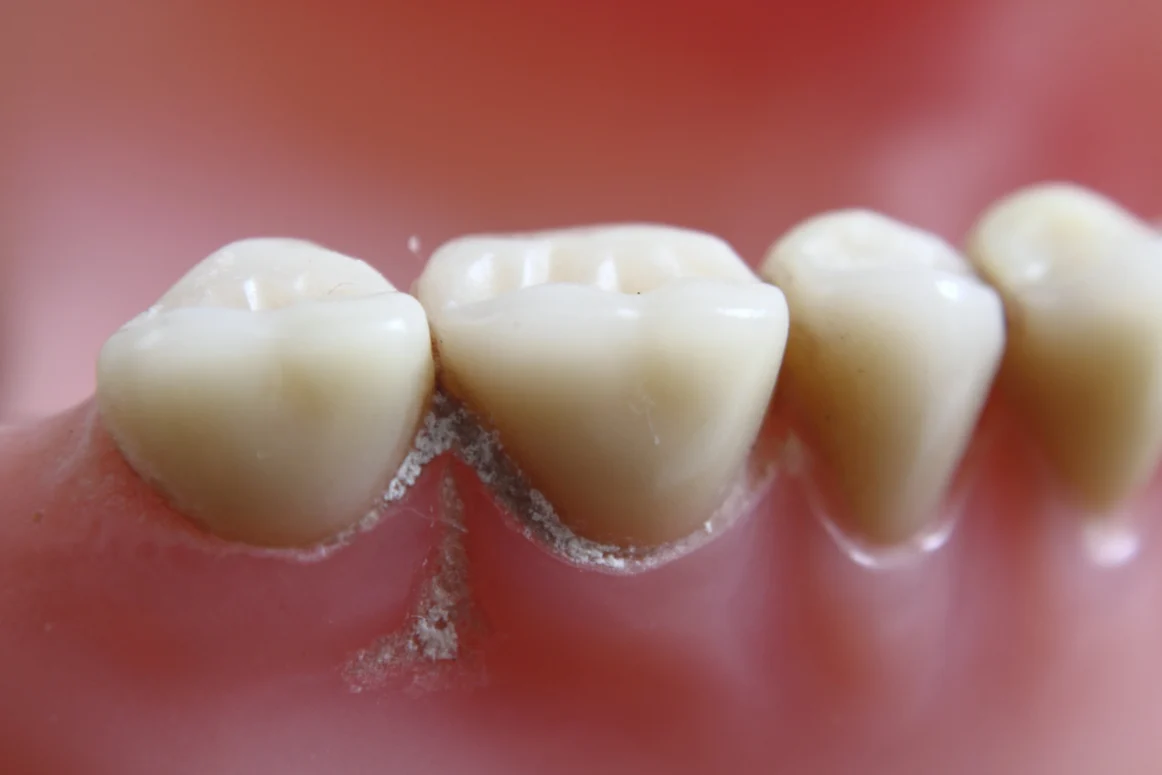
Root tooth decay — also called root caries — is a type of tooth decay that affects the root surface of the tooth instead of the crown (the part you see when you smile).
Unlike regular cavities that form on enamel, root decay happens on cementum and dentin, which are much softer and more vulnerable to bacteria.
This means:
- Root decay can spread faster
- It often causes less pain at first
- It can lead to serious damage before patients realize there’s a problem
Root decay usually starts when the gums recede, exposing the tooth roots to the mouth environment.
Why Does Root Decay Happen?
Root tooth decay rarely has just one cause. It usually develops when several risk factors combine, including:
Gum recession
When gums pull back, the roots lose their natural protection. This commonly happens with:
- Periodontal disease
- Aggressive brushing
- Long-term inflammation
Plaque buildup near the gumline
Plaque collects easily where teeth meet gums, especially if:
- Cleaning is difficult
- Crowns or bridges are present
- Saliva flow is reduced
Age-related changes
As people get older:
- Gums recede more
- Saliva production may drop
- Previous dental work can create plaque traps
Frequent sugar or acidic drinks
Roots are much more sensitive to acid than enamel, so:
- Soda
- Juice
- Sweet tea can accelerate root cavities quickly.
What Does Root Tooth Decay Look Like?
Root decay doesn’t always look like a classic “hole.”
It may appear as:
- Yellow or brown areas near the gumline
- Soft or sticky spots on the root
- Dark lines where gums have receded
And symptoms may include:
- Sensitivity to cold or sweets
- Mild discomfort when brushing
- Bad taste or odor if infection develops
Many patients don’t feel pain until decay is already advanced — which is why regular dental checks matter so much.
Can a Tooth Still Decay After a Root Canal?
Yes — a tooth can still decay after a root canal, especially at the root surface.
Root canal treatment removes the nerve, but it does not protect the outer tooth structure from bacteria.
So decay can still happen if:
- A crown is damaged or leaking
- A temporary filling stays too long
- Gums recede and expose root surfaces
- Oral hygiene becomes difficult around the treated tooth
This is one of the most common reasons patients later need:
- Re-treatment
- Crown replacement
- Or in advanced cases, tooth extraction
Root canal treatment in Turkey — or anywhere — is only successful long term if the tooth is properly sealed and protected afterward.
How Is Root Tooth Decay Treated?
Treatment depends on how deep the decay is and whether the nerve or bone is affected.
Early-stage root decay
If decay is limited to the root surface:
- Cleaning and fluoride treatment may be enough
- Small fillings can restore the root area
This stage is highly treatable when caught early.
Moderate decay
If dentin is involved:
- Root surface fillings
- Sometimes crown placement to protect weakened structure
If infection reaches the nerve
Then treatment may require:
- Root canal procedure
- Followed by crown placement
Local anesthesia is typically enough for comfort during these procedures.
Severe damage or bone involvement
If the tooth structure or surrounding bone is badly affected:
- Tooth extraction may be necessary
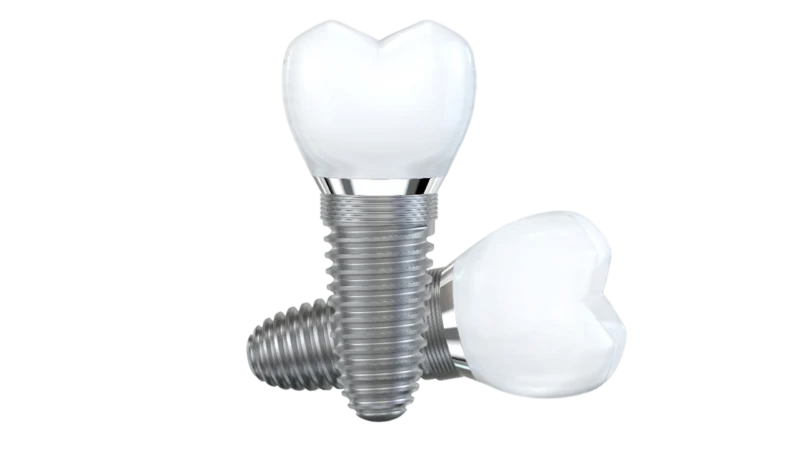
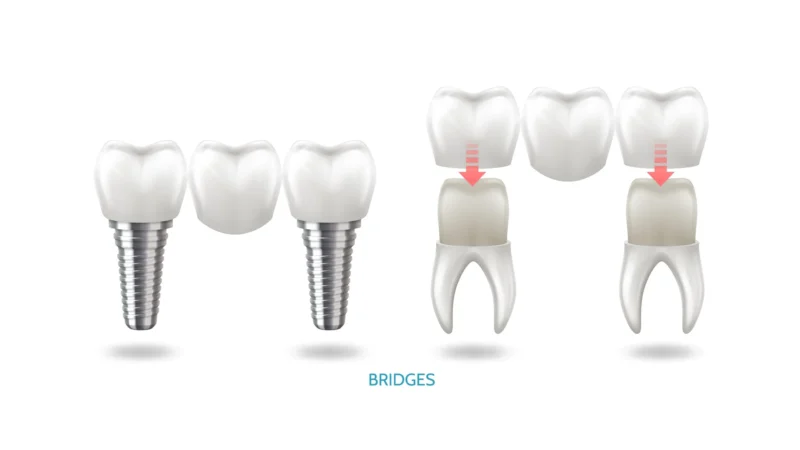
- Replacement options include implants or bridges
his is why early diagnosis is so important — root decay can progress quickly.
What About Gum Treatments? Can Gums Be Fixed?
Yes — and this is something many patients don’t know, but very important.If root decay is linked to gum problems, treatment often includes periodontal care, such as:
Deep cleaning (curettage / scaling and root planing)
Removes bacteria below the gumline and allows gums to heal.
Gingivectomy (in some cases)
Used when inflamed tissue needs reshaping to improve access and hygiene.
Pinhole Surgical Technique (newer approach)
A minimally invasive method to reposition gums and cover exposed roots:
- No grafts
- Faster healing
- Reduced sensitivity
Not every patient is suitable for every technique, but gum health is part of saving teeth, not just cosmetics.
A good dental clinic will always assess gums before focusing only on fillings or root canals.
When Should You See a Dentist Urgently?
Don’t wait if you notice:
- Sudden sensitivity near the gums
- Dark areas on exposed roots
- Pain after a root canal-treated tooth
- Bleeding or inflamed gums
- Bad taste or persistent odor
These can all be signs that decay or infection is progressing.
Early treatment can often save the tooth and avoid extraction.
How Can You Prevent Root Tooth Decay?
Prevention focuses on protecting exposed roots and controlling bacteria:
- Gentle brushing with soft-bristle brushes
- Fluoride toothpaste or professional fluoride applications
- Daily interdental cleaning
- Managing gum disease early
- Regular dental visits to catch recession or plaque buildup
If you already have gum recession, preventive care becomes even more important.
Why Patients Consider Root Canal Treatment in Turkey
Many patients choose to travel to Turkey for dental care not only because of the clinical expertise, but also because treatment can be part of a calm, well-organized experience in a place known for its hospitality and comfort.
Instead of juggling multiple appointments over many months, international patients often benefit from:
- Carefully coordinated treatment plans completed in a shorter timeframe
- Clinics that routinely manage complex restorative and gum-related cases
- Multidisciplinary teams where dentists and gum specialists work together
- Clear scheduling that allows patients to plan both treatment and recovery with less stress
For conditions like root decay — where gums, roots, and existing restorations may all be involved — this kind of coordinated care can make treatment feel more manageable and less overwhelming.
Many patients also appreciate that they can focus fully on their recovery while staying in a welcoming environment, rather than trying to fit repeated dental visits into already busy daily routines back home.What matters most, however, is whether the dental clinic evaluates the whole situation — including gum health, bite, and long-term stability — and builds a plan that protects the tooth, not just treats the symptom.
Why Choose DentSpa for Root and Gum-Related Dental Problems
Root decay often requires more than one type of treatment — and DentSpa structures care around that reality.
Instead of focusing only on fillings or root canals, treatment planning is based on full-mouth evaluation, including:
Multidisciplinary treatment planning
Cosmetic dentists, endodontists, and periodontal specialists collaborate when needed, so both the tooth and the gum condition are addressed together.
Gum health is treated, not ignored
When recession or periodontal disease is present, patients may receive:
- Deep cleaning (scaling and root planing)
- Gum reshaping when necessary
- Modern minimally invasive options such as pinhole techniques for suitable cases
This helps reduce sensitivity and protect exposed root surfaces long term.
Conservative approach whenever possible
Preserving natural tooth structure and avoiding unnecessary extraction is always prioritised when teeth can be stabilized safely.
Advanced diagnostics before decisions
CBCT imaging and clinical examination are used to assess:
- Root surface damage
- Bone levels
- Existing restorations before final treatment plans are confirmed.
Care that makes sense when you’re travelling
Coming to another country for dental treatment can already feel like a big step, so the last thing patients need is confusion about what happens when. At DentSpa, the team explains clearly what can be done in each visit, how much healing time is needed, and what should wait until the next stage, so people can plan their stay and travel with less stress.
DentSpa is officially licensed by the Turkish Ministry of Health and works under the rules of the Turkish Dental Association, which means treatments follow national healthcare standards, not just clinic preferences.
And if you’re not sure whether your tooth can still be saved, or whether your gums need to be treated first, a proper clinical check can help you avoid doing more than you actually need — and focus on what will really protect your teeth long term.
Root Decay Is Serious, but It’s Also Treatable
Root tooth decay is more common than most people realize, and it doesn’t only affect older adults. It often develops when gum health, previous dental work, and everyday cleaning challenges overlap, quietly exposing the root surface to bacteria over time. Because it can progress with little or no pain at first, many people only discover the problem when damage is already advanced.
The reassuring part is that root decay does not automatically mean tooth loss. When identified early and treated properly, the infection can often be stopped, the gums can be stabilized, and the tooth can be protected for long-term function and comfort.
With the right evaluation and coordinated care, many patients can move from uncertainty and worry to clear answers and a realistic plan to protect their smile.
If you are concerned about your gums, root sensitivity, or a tooth that has already had treatment, a professional review can clarify what is happening and what your safest options are.Book a free online consultation to receive personalized guidance and understand your treatment options before the problem progresses.
Frequently asked questions
When is extraction the only option?
Extraction is usually considered only when:
- The tooth structure is too damaged to support restoration
- Infection has significantly affected the surrounding bone
- Previous treatments can no longer stabilize the tooth
In many situations, teeth that look “hopeless” at first glance can still be saved with combined gum and restorative care.
That’s why second opinions and full evaluations are so valuable before deciding on removal.
If my gums have receded, can they be treated?
In many cases, yes. While gums don’t always grow back naturally, modern dental treatments can often:
- Reduce inflammation
- Cover exposed roots in certain situations
- Improve protection and comfort
The right option depends on the cause of recession and overall gum health, which is why evaluation by a periodontal specialist is important.
Does gum disease mean I will lose my teeth?
No. And I really want to start with that.
A lot of people hear “gum disease” and panic. They imagine loose teeth and big treatments and everything going downhill. But that’s not how it usually goes, especially when it’s found early.
For many people, it’s manageable. Sometimes it’s just about cleaning things properly under the gums and keeping an eye on it. Sometimes the dentist suggests ways to help the gums settle and stay healthier. It doesn’t automatically turn into something extreme.
What makes the biggest difference is whether the gums are kept stable. When the gums are calm and healthy, they protect the teeth more than most people think. And when that protection is there, the risk of losing teeth drops a lot.
So no, a gum disease diagnosis on its own is not a sentence. It’s more like a signal to take care of things before they become serious.
Is root decay always painful?
Not necessarily. And that’s part of the problem.
A lot of the time, it doesn’t really hurt at the beginning. If the tooth already had a root canal, there’s no nerve there to send strong pain signals, so things can be going wrong without you feeling much.
What people usually notice first isn’t pain. It’s small stuff — the gum looking a bit different, a little sensitivity when brushing, or that same spot feeling weird or getting food stuck more often. Real pain usually shows up later, when the decay is already more serious.
That’s why many people are surprised when their dentist finds it. They weren’t in pain, so they assumed everything was fine.
Can a tooth still decay after a root canal?
Yes, it can. And honestly, a lot of people don’t realize that.
A root canal takes care of the infection inside the tooth, but the tooth is still there, still biting, still getting food stuck around it, still dealing with bacteria like all the other teeth.
Over time, things can change. A crown might not fit as tightly as it used to. Gums can slowly move down and expose part of the tooth that wasn’t exposed before. When that happens, bacteria can find their way in again and start causing decay.
The tricky part? You might not feel much at first. Since the nerve was removed, there isn’t always that early warning pain people expect. So it can stay unnoticed for a while.
That’s why dentists don’t treat root-canal teeth as “done and dusted.” They still need to be checked, cleaned, and protected, just like any other tooth — sometimes even more carefully.













 70%
70%