Table of content
Table of content
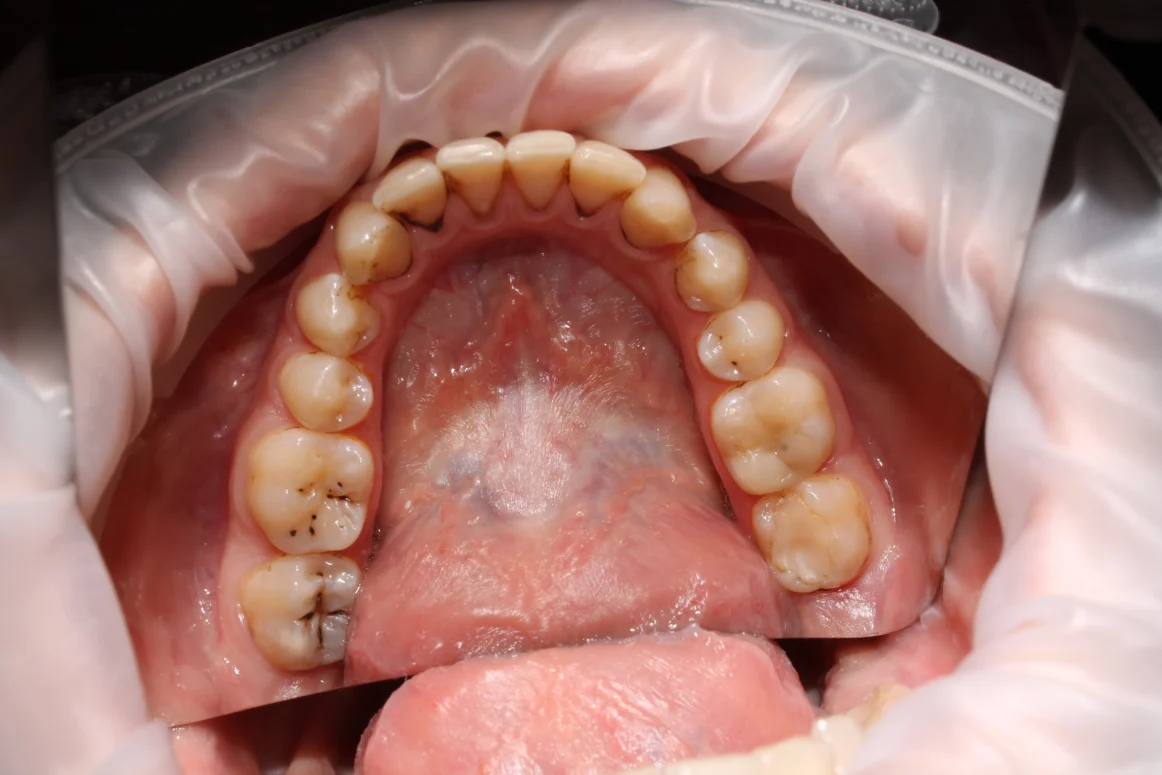
Tooth decay is one of the most widespread oral health issues in the world. It occurs when the bacteria in the mouth break down sugars and release acids that destroy the tooth enamel. Enamel is the outermost protective layer of the teeth.
Tooth decay progresses through the tooth and causes cavities, infections, gum diseases and ultimately, tooth loss, if left untreated. According to the U.S. National Institute of Dental and Craniofacial Research (NIDCR), “Tooth decay is a progressive disease resulting from the interaction of bacteria that live in the mouth and ingest carbohydrates.”
Lots of people ask the question of how to fix decay tooth issues when they occur. The answer varies, depending on the severity of the tooth decay.
How Does Tooth Decay Start?
Tooth decay starts with the formation of plaque, a sticky coating of bacteria, on the surface of the teeth. Plaque bacteria feed on sugars from food and beverages. In the process, they release acids that deplete minerals from the enamel.
If not removed daily, plaque will weaken the enamel and form tiny holes in the enamel.
The causes of tooth decay include:
- Poor oral hygiene
- Frequent sugar intake
- Dry mouth
- Weak enamel
- Gum diseases or periodontal diseases
According to the American Dental Association (ADA), cavities do not go away on their own and may worsen over time, potentially leading to pain, infection, or even tooth loss.
What Are the Early Signs of Tooth Decay?
The best way to treat tooth decay is to catch it early.
The early signs of tooth decay include:
- White or dark spots on the surface of the tooth
- Sensitivity to hot, cold or sweet foods
- Mild toothache
- Visible holes or pits in the teeth
- Bad smell from bacterial growth
If caught early, a dentist can reverse the early damage to the enamel by strengthening the tooth with fluoride and good oral hygiene.
How to Fix Decay Tooth Issues?
The treatment varies depending on the severity of the tooth decay.
- Fluoride Treatment If detected early, fluoride treatment will help restore minerals to the enamel and reverse the tooth decay process.
Fluoride treatment is effective only in the early stages, before the tooth decay forms a cavity. - Dental Fillings The most common way to fix a cavity is a dental filling.
A dentist removes the decayed part of the tooth and fills it with a restorative material. This prevents the growth of bacteria and restores the tooth structure and function. Cavities are usually identified during a dental check-up using visual examination and, when needed, X-rays to confirm early damage. - Root Canal Treatment If the tooth decay reaches the pulp, you may need a root canal treatment.
During root canal treatment:- A dentist removes the infected pulp.
- Cleans and disinfects the root canals.
- Seals the tooth and crowns it.
With root canal treatment, you can save a tooth that is otherwise doomed for extraction.
- Dental Crowns If the tooth is too weak, your dentist may put a crown on your tooth. The crown goes around the whole tooth and keeps it from breaking.
- Tooth Extraction (Last Resort) If the tooth is too decayed, you may need to have it removed. You can get an implant or bridge after your tooth has been pulled to keep your other teeth from shifting.
Tooth Decay And Pregnancy
Do you get tooth decay while pregnant? Yes.
Because of the hormonal changes in your body during pregnancy, you are more likely to experience dental problems. Morning sickness, eating habits, and sensitive teeth and gums may contribute to tooth decay during pregnancy.
There is evidence that suggests that severe gum infection may contribute to preterm birth and low birth weight, so good oral hygiene is important during pregnancy. The American Dental Association (ADA) and other organizations suggest pregnant women continue routine dental care, including exams and cleanings, to discourage this.
In fact, most dental work can be done during pregnancy if your obstetrician allows it. If an X-ray is required, your dentist will cover your abdomen with a lead apron to minimize exposure.
Natural Remedies For Tooth Decay
Using an antimicrobial mouthwash may help reduce bacteria in the mouth, but it does not treat existing cavities.
The best way to fix tooth decay is to prevent it from happening. To prevent tooth decay, you should:
- Brush your teeth with fluoride toothpaste at least two times a day.
- Floss once a day.
- Limit sugary foods and drinks.
- Stay hydrated.
- Visit your dentist regularly.
When To Go To The Dentist
If you experience any of the following symptoms, you should visit your dentist:
- Persistent toothache.
- Sensitivity.
- Dark spots or holes on your teeth.
- Swelling or infection near a tooth.
Going to the dentist will keep you from allowing a small cavity to turn into a huge dental issue.
Why Do Patients Prefer Turkey for Dental Treatment?
When tooth decay, cavities, or gum disease become more advanced, patients may need several treatments, such as fillings, root canal therapy, or crowns. Because of this, many people compare treatment options in different countries to find quality care at a reasonable cost.
Turkey has become a popular destination for dental treatment, especially for patients from the UK and Europe. Many clinics offer modern technology, experienced dentists, and clear treatment plans at more affordable prices compared with many Western countries.
A trip to Turkey is not just about the treatment for many patients. But it’s also an opportunity to see a new country, to have a holiday, or to rest and recover in a different environment.
That’s why patients can turn the process of dental care into a medical holiday which is also good for the psychology of the patients.
Why Choose DentSpa for Fixing Tooth Decay?
DentSpa Dental Clinic Turkey is one of the most preferred dental clinics among international patients who are looking for professional and modern dental care with modern technology and experienced staff.
Our clinic uses clinical examination supported by digital imaging tools, such as dental X-rays, to detect cavities early and guide accurate treatment planning.
Moreover, our expert dentists at our DentSpa Dental Clinic Turkey, work to provide the patients the best dental care by informing them about the cavities step by step.
Here are some of the reasons why international patients prefer our clinic for filling, root canal treatment, and other dental care options;
- Careful examination and diagnosis before the treatment: Our expert dentists examine and diagnose the patients before any dental care. The cause of the cavities should be detected before a filling treatment.
- Clear explanations and honest treatment planning: Our dentists clearly explain the cause of the cavities. Then they inform the patients whether they need a filling or a root canal treatment, or a dental filling with a dental crown. The aim is to save and protect the natural teeth.
- Personalized treatment plan: Patients have different oral and dental conditions. We create a dental treatment plan according to the patient’s dental condition, dental health history, and dental expectations.
- Advanced digital diagnostic tools: We use digital intraoral scanners and 3D CT (CBCT) devices to detect the cavities at an early stage and to create more accurate dental treatment plans.
- Translation services: Our multilingual medical advisors and patient coordinators assist international patients during the whole treatment process and make them feel comfortable.
- Professional aftercare and follow-up: After the dental care, our expert dentists inform the patients about what to do and what not to do. They also guide the patients about dental care and dental hygiene and how to prevent future cavities. Our aim is to treat the cavities, to protect the natural teeth, and to provide long-lasting results.
Consult Your Dentist Now!
A cavity is a very common dental problem. However, the patients should consult their dentists as soon as possible to prevent the cavities from becoming severe.
Understanding the causes and the signs and symptoms of the cavities, and learning how to treat cavities will help you to take good care of your teeth and protect your natural teeth.
If you have cavities and you are looking for professional and modern dental treatments, you can contact our DentSpa Dental Clinic Turkey and book your free online consultation with our expert dentists to get information about your treatment options.
Frequently asked questions
Can You Have a Dental X-Ray While Pregnant?
Dental X-rays can be taken during pregnancy if they are truly necessary for diagnosis or treatment.
Dentists take special precautions to ensure safety, such as using a protective lead apron and limiting radiation exposure. These measures help protect both the mother and the baby while allowing the dentist to properly evaluate the dental problem.
Is Tooth Decay Common During Pregnancy?
Yes, dental problems such as cavities and gum disease can occur more often during pregnancy. Hormonal changes can make the gums more sensitive and prone to inflammation.
In addition, frequent snacking, cravings for sugary foods, and morning sickness — which exposes the teeth to stomach acids — may increase the risk of tooth decay during this time.
Maintaining good oral hygiene and visiting the dentist regularly during pregnancy can help keep both the mother’s and baby’s health protected.
Can Tooth Decay Cause Tooth Loss?
Yes, it can. When tooth decay is not treated, the damage can continue spreading deeper into the tooth. Over time, the infection may destroy a large part of the tooth structure and even reach the surrounding tissues.
If the decay becomes severe enough, the tooth may no longer be strong enough to be saved, which can eventually lead to tooth loss. This is why early treatment is so important.
How Is Tooth Decay Treated?
The treatment depends on how advanced the decay is.
In the early stages, dentists may apply fluoride gels or varnishes to help strengthen the enamel and slow down the damage.
If a cavity has already formed, the most common treatment is a dental filling. The dentist removes the damaged part of the tooth and fills the space with a protective material.
When the decay reaches deeper layers of the tooth and affects the pulp (the inner tissue containing nerves and blood vessels), a root canal treatment may be required to remove the infected tissue.
In cases where a large part of the tooth has been damaged, the dentist may also place a dental crown over the tooth to restore its shape, strength, and function.
Can Tooth Decay Heal Naturally?
In the very early stages, tooth decay can sometimes be slowed down or even partially reversed. This usually happens when the damage is limited to the outer layer of the tooth, known as the enamel.
At this stage, strengthening the enamel becomes important. Using fluoride toothpaste or a fluoride mouthwash, improving daily brushing and flossing, and reducing frequent sugar intake can help the tooth regain some of the minerals it has lost.
However, once the enamel has broken down enough to create a cavity — meaning a small hole has formed in the tooth — the tooth cannot repair itself. In that situation, professional dental treatment is necessary to stop the decay from getting worse.














 70%
70%