Table of content
Table of content
If you’re searching all-on-4 dental implants cost in Turkey, you’re probably not just price-shopping — you’re trying to solve a bigger problem: you want fixed teeth again, but you don’t want to get trapped in vague “package deals,” confusing implant jargon, or clinic promises that don’t match real life.
Most people don’t start this journey because they want something “cosmetic.” They start because they’re tired of hiding their smile, chewing on one side, avoiding steak and apples, or feeling like their denture owns their day.
That’s why the most useful conversation isn’t “What’s the cheapest All-on-4?” It’s: What does a safe, predictable plan cost — and what needs to be in place for it to actually last?
This is where many all-on-4 Turkey reviews become misleading (not because patients are lying, but because reviews rarely include the clinical details that decide cost and outcome).
Two people can both say “I paid X in Turkey,” but one had strong bone, straightforward surgery, and a simple temporary bridge — while the other needed extractions, infection control, a sinus lift, or bone grafting, plus a higher-end prosthesis and more complex treatment planning. Same treatment name, completely different case.
When you understand what drives the price, you stop comparing clinics like they’re selling the same product — and you start comparing them like you’re choosing a surgical team.
What “All-on-4” really means (and why the number of implants matters)
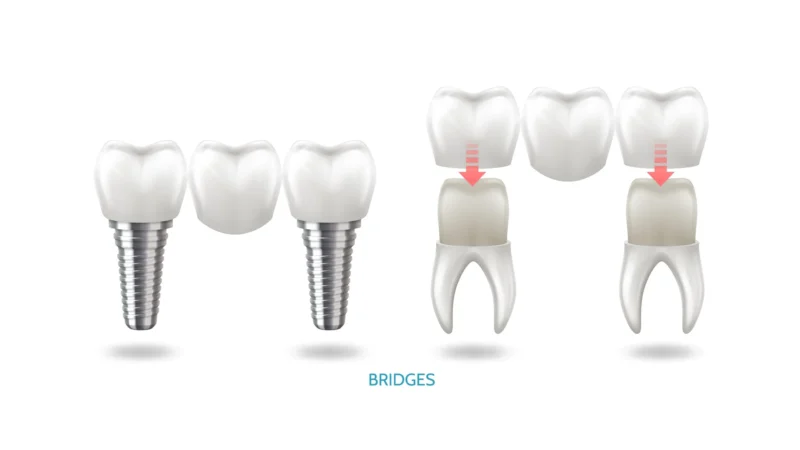
All-on-4 is a full-arch solution where four implants support a fixed bridge — usually replacing an entire upper or lower arch of teeth in one coordinated plan. The “4” doesn’t mean four teeth. It means four implants strategically placed to carry a full set of teeth (often 10–14 teeth on one arch).
The reason the technique became popular is that angled posterior implants can often reduce the need for extensive bone grafting in the back of the jaw. But “often” doesn’t mean “always,” and that distinction matters because additional procedures like sinus lifts or bone grafting can shift the cost, timeline, and even where it’s safest to place implants.
All-on-4 is not automatically better than All-on-6, and All-on-6 is not automatically “overkill.” The right number of implants depends on your bone quality, bite force, jaw anatomy, parafunctional habits (like grinding), and prosthetic design.
A clinic that pushes a one-size-fits-all number is usually simplifying your biology to fit their sales flow. A clinic that plans around you will explain, with imaging, why four implants are enough — or why more support would be smarter for long-term stability.
So… what is the cost of All-on-4 in Turkey?
Turkey is popular for dental implants because it can offer a combination of advanced dentistry, experienced surgeons, and more accessible pricing compared with the UK and many EU markets.
As a general direction, Turkey prices for a single arch often land in a lower band than typical private UK fees. But the most important part isn’t the headline number — it’s what the quote truly includes, and whether it matches your clinical needs.
The cost of all on-4 can vary depending on:
- whether you’re restoring one arch or both (full mouth restorations)
- your bone quality and whether you need sinus lifts or bone grafting
- how many extractions are required and whether infection needs to be treated first
- which implant systems are used (and whether the implant brands have global traceability)
- what type of bridge you’re getting (temporary vs final, acrylic vs hybrid)
- whether digital guided surgery, 3D planning, sedation, and aftercare are included
- how many follow-up visits are built into the package (this matters more than people expect)
If you’re comparing Turkey to the UK, a key point to keep in mind is that the NHS generally does not fund All-on-4 as a routine solution. In the UK, full-arch implant rehabilitation is typically private, with rare exceptions tied to major trauma, cancer, or specific hospital-based indications.
So many UK patients explore treatment in Turkey because the private route at home can feel financially out of reach — and Turkey becomes a way to access the same category of dentistry without cutting corners if you choose the right clinic and the right plan.
How private All-on-4 costs compare — and where savings usually come from
Once patients understand what drives cost differences, a like-for-like comparison becomes more meaningful than headline prices.
| Treatment element | Typical private cost at home* | Typical saving seen when treated in Turkey |
| Consultation, CBCT & treatment planning | £350 – £900 | ~40–60% lower |
| All-on-4 surgical phase (per arch) | £12,000 – £18,000 | ~45–65% lower |
| Temporary fixed teeth (immediate bridge) | £2,500 – £5,000 | ~40–60% lower |
| Final prosthesis (acrylic / hybrid) | £6,000 – £10,000 | ~35–60% lower |
| Final prosthesis (zirconia) | £12,000 – £18,000 | ~40–65% lower |
| Extractions & infection control | £800 – £2,500 | ~30–55% lower |
| Sinus lift (if required) | £1,500 – £3,000 | ~25–50% lower |
| Bone grafting (if required) | £600 – £2,000 | ~25–50% lower |
*Private treatment at home refers to private UK / EU clinics.
The NHS does not routinely fund All-on-4 treatment.
These figures are shown to explain where cost differences usually come from. Lower overall costs are typically driven by operational efficiency and bundled care, not reduced clinical standards, when treatment planning and implant systems are clearly defined.
Consult Our Experts Now! If you’d like professional insight into whether All-on-4 is suitable for your bone structure, bite, and long-term needs, our clinical team can review your case and explain the safest options.
What should be included in a real All-on-4 quote
A complete plan typically includes:
- A proper consultation that reviews medical history and gum health
- 3D imaging (CBCT) and digital treatment planning
- Clear confirmation of the implant brands and the exact implant systems used
- Surgical placement of the implants with a clearly defined anaesthesia approach
(local anaesthesia, conscious sedation, or another option based on clinical need and patient preference) - Management of extractions or active infections if present
- a clear decision about temporary teeth, explaining whether immediate temporary restoration is appropriate or whether delayed loading is safer
- The timeline and design details for the final bridge
- Follow-up checks and bite adjustments (critical for longevity)
- An itemised list of what would be considered an additional procedure if required (such as sinus lifts or bone support)
If the quote is not detailed, your risk increases. You don’t want long-term bone or implant health to be the price of someone else’s quick turnover.
Why some patients need extra steps
Many people assume that All-on-4 always means no extra procedures. Sometimes that’s true — but not always.
In some mouths, there simply isn’t enough strong bone in the right areas to support implants safely. This is most common in the upper jaw, where the sinus spaces can sit very close to the bone. When that happens, a small additional step — such as a sinus lift or bone grafting — may be needed to make sure the implant sits securely.
These steps are often minor and carefully planned. What matters is not avoiding them at all costs, but placing implants only where the bone can properly support them. Rushing past this stage to “save time or money” increases the risk of loosening, fracture, or early failure.
The same principle applies to the implants themselves. Implants aren’t just screws — they’re part of a system designed to work together over many years. Using well-established implant systems makes long-term care easier and safer, especially if you ever need maintenance or follow-up outside Turkey.A responsible clinic will explain both the bone conditions and the implant system being used, and provide clear documentation. If details are vague, or “premium implants” are mentioned without naming them, that’s usually a warning sign. Your mouth isn’t the place for shortcuts or mystery hardware.
Dental tourism in Turkey: convenience, clarity, and choosing well
For many patients, the appeal of dental treatment in Turkey goes beyond cost. It’s the simplicity of having care organised in one place — from airport pickup and accommodation support to clinics that are experienced in working with international patients.
When planned properly, this kind of structure can make a complex treatment feel far more manageable, especially if you’re already nervous about surgery.
Where patients need to be mindful is not travel itself, but how decisions are made within a short time frame. Dental tourism often means fewer days on the ground, which makes clear communication and proper planning even more important. Same-day temporary teeth can be appropriate in some cases, but only when bone conditions, implant stability, and bite control allow for it. The goal isn’t speed — it’s predictability.A good way to choose a clinic is to shift the focus from price to clarity. Instead of asking “How much is All-on-4?”, it helps to ask a few simple questions:
- What is included in the treatment plan, step by step?
- If additional procedures such as sinus lifts or bone support are needed, how is that decision made and explained?
- Which implant system is being used, and why?
- Who is responsible for planning the case — the treating dentist or a non-clinical coordinator?
- What material will be used for the final teeth, and how is long-term bite stability managed?
Clinics that answer these questions openly tend to be organised, confident, and focused on long-term results rather than quick wins. That’s how patients avoid “cheap now, expensive later” outcomes — not by avoiding dental tourism, but by choosing thoughtfully within it.
Why choose DentSpa for All-on-4 in Turkey
DentSpa has treated more than 50,000 patients over the past years, which means All-on-4 and full-mouth restorations are not rare procedures but part of everyday clinical practice. For patients, this translates into refined protocols, predictable workflows, and teams that recognise variations early rather than learning on your case.
What that looks like in practice:
- Clinician-led decision-making
Treatment plans are developed by experienced dental teams — including professors and PhD-qualified clinicians — using CBCT imaging and bite analysis, rather than fixed packages or sales scripts.
DentSpa is fully licensed by the Turkish Ministry of Health and operates under the standards of the Turkish Dental Association, giving patients formal regulatory oversight — not just clinic-level promises. - Experience at scale, with systems that support it
With 50+ medical professionals, 250+ support staff, and decades of experience, DentSpa operates with established protocols refined through treating thousands of cases each year — while keeping decisions personalised. - Clear communication in your own language
Multilingual medical teams allow patients to discuss options, risks, and aftercare in their own language. This reduces misunderstandings around consent, timelines, and expectations — especially important for complex treatments like All-on-4. - Case selection before commitment
All-on-4 is recommended only when bone conditions and bite forces support long-term stability. When additional steps such as sinus lifts or bone support are needed, this is explained early, allowing patients to make informed decisions without pressure. - Transparent implant systems with full traceability
DentSpa uses well-established implant brands and systems and provides clear documentation. For patients, this means easier long-term maintenance and fewer complications if follow-up care is needed later. - Recognised for quality, not just volume
Being awarded Best European Clinic 2024 reflects consistency in clinical standards, patient care, and outcomes, reinforcing that scale is matched with quality. - Designed for international patients, without rushing care
Treatment timelines, visit planning, and follow-up expectations are discussed upfront. Efficiency is used to reduce stress — not to compress clinical decision-making. - Focus on function and comfort, not just appearance
Bite balance, chewing efficiency, speech, and long-term comfort are prioritised alongside aesthetics, because successful All-on-4 treatment is measured in daily life — not just photos.
The takeaway for patients comparing clinics
The safest decisions in dental tourism aren’t made by avoiding travel.
They’re made through clarity.
- Clear answers about what your case needs — and what it doesn’t
- Clear planning based on scans, bite, and long-term function
- Clear responsibility for outcomes, follow-up, and future care
Clinics that work this way don’t chase the fastest timeline or the lowest headline price.
They focus on something far more valuable: predictable results, realistic expectations, and treatment plans designed to last.
That’s how patients choose confidently within dental tourism — and move forward without second-guessing their decision later.
Book Your Free Online Consultation Today!
If you are ready to take the next step toward treatment, DentSpa offers structured care, transparent planning, and experienced specialists in a fully licensed, internationally recognised clinic.
Frequently asked questions
Are All-on-4 teeth as strong as natural teeth?
They can restore strong function — often far better than removable dentures — but they are not the same as natural teeth, and they require a different kind of care. The long-term success depends heavily on bite design, hygiene, regular professional maintenance, and avoiding excessive force (especially if you grind your teeth). A strong plan isn’t just “implants placed well.” It’s implants + prosthetics + bite + maintenance working together.
What questions should I ask about implant brands and implant systems?
Ask the clinic to name the implant brand and system, and confirm documentation will be provided. Ask whether components are widely available internationally in case you need maintenance at home. Also ask how they choose the implant system for full-arch cases and what prosthetic connection they use. This isn’t about being “picky” — it’s about protecting your long-term options if anything needs adjustment, repair, or replacement later.
How do I know if a dental clinic in Turkey is safe for implant surgeries?
Look for signs of clinician-led planning: CBCT-based evaluation, named implant brands, clear explanation of risks, and an itemised plan that discusses alternatives. Ask who performs the surgery, how complications are handled, and what the long-term maintenance expectations are. Safety is also reflected in what they refuse to promise — for example, guaranteeing immediate loading without confirming stability, or dismissing the need for periodontal infection control. A good clinic will take time to explain, not pressure you to book.
How many trips to Turkey do I need for All-on-4 treatment?
Many full-arch implant protocols involve two main phases: the surgical phase (implant placement and a temporary fixed bridge if clinically appropriate), and the restorative phase (final bridge after healing). That often translates to two trips, with healing time in between. However, the exact timeline varies depending on bone quality, whether additional procedures are required, and how the temporary prosthesis is managed. Be cautious with any provider who promises an identical timeline for everyone, because healing and stability are patient-specific.
Is All-on-4 available on the NHS in the UK?
In most situations, no. The NHS does not routinely provide All-on-4 full-arch implant treatment. There can be exceptions in specific hospital-based cases (for example, major trauma or cancer-related reconstruction), but for the average patient, full-arch implant solutions are typically private. This is one reason many UK patients explore treatment in Turkey — but the key is choosing a clinic that provides medical-grade planning, not just attractive pricing.
Are implant supported dentures the same as All-on-4?
They can look similar to patients, but functionally they’re often different. Implant supported dentures are frequently removable (even if they “clip” onto implants), and they may use fewer implants with attachments that can wear over time. All-on-4 is usually a fixed bridge supported by four implants, designed to feel more like natural teeth in day-to-day life. The best option depends on your anatomy, budget, and preference for fixed versus removable teeth — but your clinic should explain the trade-offs clearly rather than pushing one option for everyone.
What about bone grafting — is it common with full mouth restorations?
Bone grafting is not automatically required for full mouth restorations, but it can be needed depending on how long you’ve been missing teeth, whether you’ve worn dentures, and whether there has been infection-related bone loss. In some cases, grafting is minimal; in others, the safest plan is staged rather than rushed. The key is not to fear grafting — it’s to avoid unnecessary grafting, and to avoid skipping grafting when the bone conditions clearly require it for long-term stability.
Do I always need sinus lifts with All-on-4?
No — and for many upper-jaw cases, the All-on-4 approach can reduce the need for sinus lifts by using angled posterior implants. But “reduce” doesn’t mean “eliminate.” If you have very limited bone height in the posterior upper jaw, or if your anatomy is challenging, a sinus lift may still be necessary, or the plan may need modification. A responsible clinic won’t promise “no sinus lifts” without first reviewing your CBCT scan and explaining your bone situation.
Why do all-on-4 Turkey reviews show such different prices and experiences?
Because two patients can have the same treatment name with completely different biology. Reviews rarely mention bone density, gum disease, smoking status, bite force, whether sinus lifts were needed, or what material the final bridge was made from. They also rarely say if the quoted price included the final prosthesis or only the surgical phase. A more useful way to read reviews is to look for patterns: do patients mention clear communication, realistic expectations, strong aftercare, and a stable bite months later — or is the review mostly about hotel pickup and quick turnaround?
What is the typical all-on-4 dental implants cost in Turkey for one arch?
The honest answer is: it varies depending on what your case needs and what the clinic includes in the fee. Some patients only need straightforward implant placement and a standard temporary bridge followed by a final prosthesis. Others need extractions, infection management, upgraded materials, or additional surgical steps. When you compare prices, focus less on the number and more on the inclusions: CBCT imaging, treatment planning, named implant systems, temporary fixed teeth, follow-up visits, and the final bridge material. The “cheap” quote often becomes expensive if essentials are excluded or if complications appear because planning was rushed.







 70%
70%