Table of content
Table of content
What Is an Impacted Tooth?
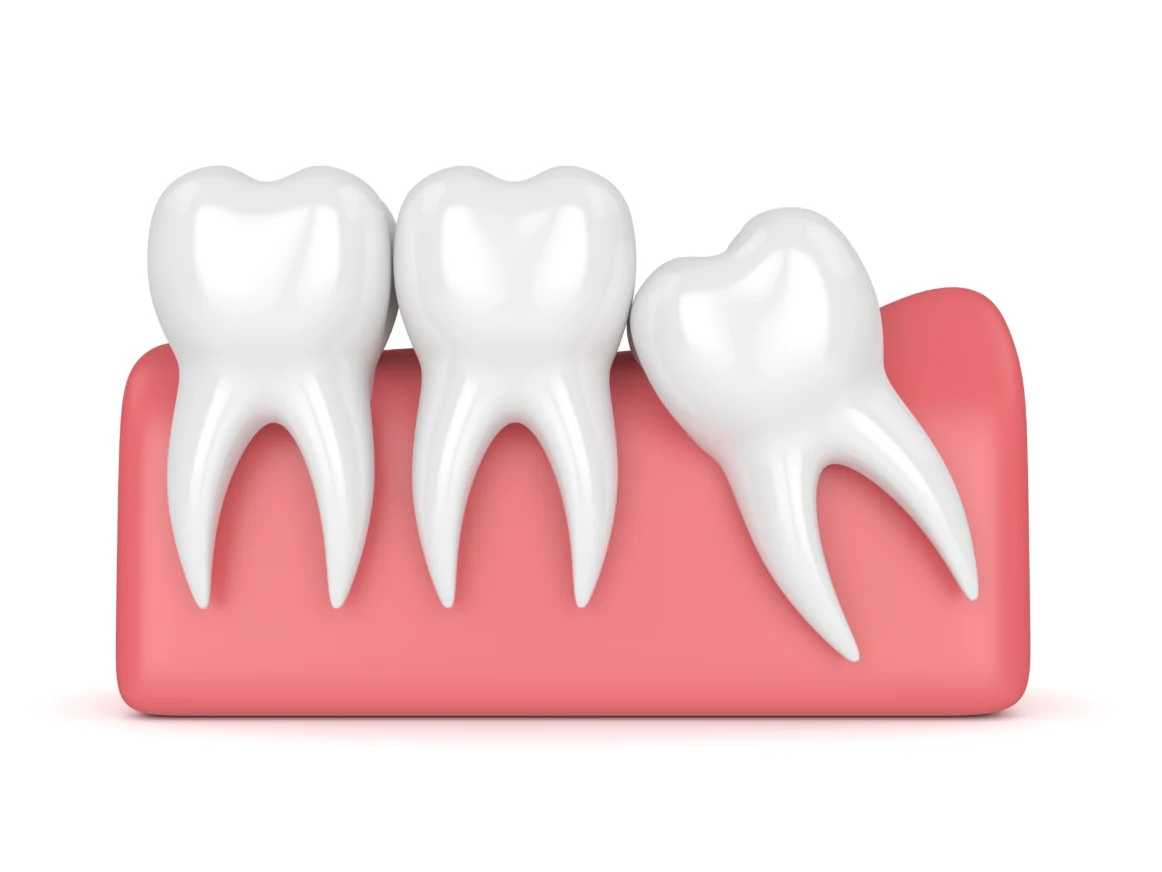
An impacted tooth is one that cannot fully break through the gum line. It gets stuck — blocked by another tooth, trapped in the jawbone, or growing at an angle that leaves no room to emerge.
According to the Cleveland Clinic, wisdom teeth and canine teeth are the most commonly affected. In the US, roughly 9 out of 10 people will have at least one impacted wisdom tooth by their late teens or early twenties. Most impacted wisdom teeth form because the jaw has stopped growing by the time they try to emerge, leaving too little space.
The condition does not always cause pain. Some people go years without realising they have an impacted tooth — it gets picked up on a routine dental X-ray. But when symptoms do appear, they tend to be hard to ignore.
Common Symptoms
Signs that a tooth may be impacted include:
- Jaw pain or tenderness, sometimes spreading toward the ear
- Gum swelling or redness around the affected area
- Difficulty fully opening your mouth
- A persistent bad taste or bad breath — often a sign of localised infection
- Pain when biting down
- Swollen lymph nodes in the neck
Symptoms can come and go over weeks or months, which sometimes leads people to assume the problem has resolved. It usually hasn’t.
Types of Impacted Tooth
Based on the tooth’s position, dentists classify impactions into four main types:
- Mesial impaction — the tooth tilts forward toward the front of the mouth. This is the most common type, particularly with wisdom teeth.
- Distal impaction — the tooth angles toward the back of the mouth.
- Vertical impaction — the tooth is correctly orientated but cannot break through the gum tissue.
- Horizontal impaction — the tooth lies on its side, entirely within the gum or bone. This tends to cause the most discomfort and almost always requires extraction.
How Is It Diagnosed?
A dentist will examine the gums, check for swelling or tenderness, and assess the surrounding lymph nodes. From there, dental X-rays or a cone beam CT (CBCT) scan confirm the position and depth of the impacted tooth.
At DentSpa in Istanbul, diagnosis uses 3D CBCT imaging alongside panoramic X-rays. This gives the clinical team a full picture of the jawbone structure, nerve position, and the exact angle of the impacted tooth before any treatment decision is made.
Treatment Options for an Impacted Tooth
Treatment depends on the type of impaction, whether symptoms are present, and how the tooth is affecting the surrounding teeth.
- Monitoring (observation) If the impacted tooth is not causing pain, infection, or damage to adjacent teeth, the dentist may simply monitor it. This means scheduled check-ups and periodic X-rays to make sure the situation is not progressing. The Mayo Clinic notes that many dental professionals recommend this approach for asymptomatic cases, particularly in older patients where the surgical risks may outweigh the benefits.
- Extraction When an impacted wisdom tooth is causing pain, infection, gum disease around the site, or damage to the tooth next to it, extraction is the standard course of action. The procedure is done under local anaesthesia as an outpatient. It typically takes between 45 and 90 minutes, depending on the depth and position of the tooth. Most patients return to normal daily activity within a few days, though full healing of the socket takes around a week to ten days.
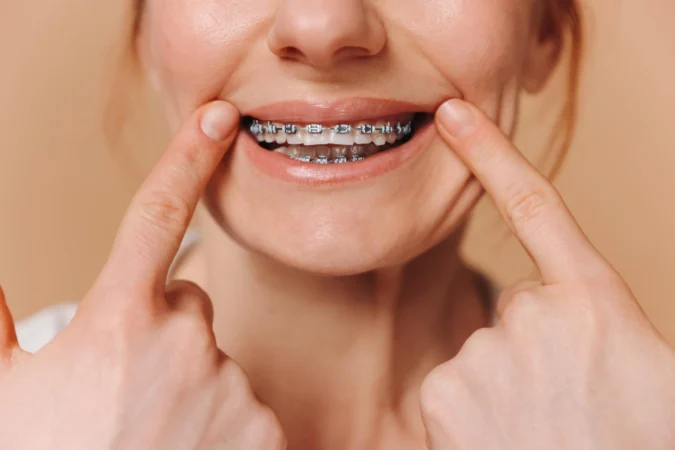
- Eruption aids and orthodontic traction For impacted canine teeth — especially in younger patients — the treatment goal is usually to save the tooth rather than remove it. An oral surgeon exposes the tooth surgically, then bonds a small bracket to it. The orthodontist uses gentle traction via braces or aligners to guide the tooth into its correct position over several months.
- Bone grafting In cases where impaction has caused bone loss in the surrounding area, bone grafting may be needed before or after extraction to support neighbouring teeth or prepare the site for a dental implant later.
Treatment for Impacted Tooth in Turkey — Why Patients Choose DentSpa
The cost of oral surgery in the UK or US is a genuine barrier for many people. Private wisdom tooth extraction in the UK can run from £300 to £800 per tooth. More complex cases — impacted canines requiring surgical exposure and orthodontic traction — cost considerably more. For patients with multiple impacted teeth or associated bone work, the total can become prohibitive.
Turkey has become one of the primary destinations for patients seeking this kind of treatment at a lower cost without stepping down on clinical standards. DentSpa, based in Şişli-Fulya, Istanbul, has treated over 50,000 international patients since opening in 2018. It was the first dental clinic in Turkey built specifically for international patients, and has held a 4.9/5 rating across Google and Trustpilot based on more than 2,500 reviews.
The clinic’s oral surgery team uses the same CE-certified and FDA-compliant materials used in UK and US practices. Diagnosis is carried out with 3D CBCT and panoramic X-ray. Each international patient is assigned a dedicated coordinator who handles everything from the initial consultation through to airport transfers and hotel arrangements. Support is available in eight languages, including English, French, Arabic, and Russian.
For patients who need aftercare once they return home, the clinical team remains reachable via WhatsApp, and treatment records can be shared directly with a local dentist.
Recovery and Aftercare
After extraction, the first 24 to 48 hours matter most. Keep the area clean, avoid sucking motions (straws, smoking), and stick to soft foods. Salt water rinses — about half a teaspoon per cup of water — help keep the socket clean without disturbing the blood clot. Swelling usually peaks around day two and improves from day three onward.
If the pain increases rather than decreases after the first few days, or if you develop a fever, contact your dentist. Dry socket — where the blood clot is dislodged before the site heals — is the most common complication, and it requires prompt treatment.
Why Choose Dentspa for Your Impacted Tooth Treatment?
When dealing with an impacted tooth, you need expert care that you can trust. Here’s why Dentspa is the best choice for your dental needs:
- Award-Winning Expertise: Dentspa has been recognized as the Best Odontology Clinic in Europe at the 2024 European Awards in Medicine, underscoring our commitment to providing exceptional dental care.
- Experienced Dental Team: Our highly qualified team of dentists, oral surgeons, and specialists has years of experience in treating impacted teeth, ensuring that you receive the best possible care tailored to your needs.
- State-of-the-Art Technology: At Dentspa, we use advanced diagnostic tools and cutting-edge technology to ensure accurate treatment and quick recovery, all while minimizing discomfort.
- Comprehensive Care: From diagnosis to treatment and aftercare, we provide a full range of services to ensure your tooth impaction is handled professionally and efficiently.
- Affordable Excellence: We offer world-class treatments at competitive prices, so you don’t have to choose between quality and cost.
Don’t let impacted teeth affect your well-being. Contact Dentspa today for a consultation, and experience the best in dental care for a healthier, more comfortable smile.
Conclusion
Impacted teeth are common and usually manageable. Whether the right approach is monitoring, extraction, or orthodontic traction depends on the tooth involved and how it is affecting your mouth. Left untreated, an impacted tooth can cause infection, damage adjacent teeth, or lead to cyst formation — so it is worth getting a proper diagnosis rather than waiting to see if the pain goes away on its own.
DentSpa offers free online consultations for international patients considering treatment in Istanbul. If you have been told you have an impacted tooth and want a second opinion or a cost comparison, the team can review your X-rays and put together a treatment plan before you commit to anything.








 70%
70%