Table of content
Table of content
A single dental crown in the US typically costs between $800 and $3,000 per tooth, averaging around $1,200 to $1,500 out-of-pocket before insurance. The final price depends heavily on the crown material, whether a root canal is needed first, your dentist’s location, and how much your insurance actually covers. Below is a full breakdown of what you’ll pay by material, what happens with and without insurance, and how long a crown should realistically last before you need to think about this cost again.
Medically reviewed by Dr. Madina Gulverdiyeva, Prosthodontic Specialist at DentSpa (16 years of experience, Gazi University Faculty of Dentistry).
What Determines the Cost of a Dental Crown?
Five factors drive most of the price difference you’ll see between quotes:
- Material — porcelain, zirconia, metal, and porcelain-fused-to-metal (PFM) all have different lab and fabrication costs. Our dental crowns page sets out the systems we work with.
- Tooth location — molars usually cost more than front teeth because they take more material and precision to fit correctly under bite force.
- Whether the tooth needs a root canal first — a damaged or infected tooth often needs endodontic treatment before it can be crowned, which adds to the total.
- Your dentist’s location and lab fees — prices in major US metro areas run noticeably higher than in smaller cities.
- Insurance coverage — whether the crown is classified as “medically necessary” affects how much of the cost your plan will reimburse.
Average Dental Crown Cost by Material (2026)
Here’s what US patients typically pay per tooth, before insurance:
| Crown Material | Average Cost (per tooth) | Best For |
|---|---|---|
| Porcelain-fused-to-metal (PFM) | $875 – $1,400 | Molars, budget-conscious patients |
| All-ceramic / porcelain | $1,000 – $2,500 | Front teeth, natural appearance |
| Zirconia | $1,000 – $2,500 | Durability + aesthetics combined |
| Gold / metal alloy | $1,500 – $3,000+ | Back molars, long-term durability |
| Stainless steel (temporary/children) | $300 – $600 | Temporary crowns, baby teeth |
If the crown is paired with a root canal on the same tooth, expect to add another $700–$1,500 to the total, depending on whether it’s a front tooth or a molar with multiple canals.
Dental Crown Cost With and Without Insurance
Without insurance, you pay the full lab and provider fee out of pocket — typically $800 to $3,000 depending on material and location.
With insurance, most PPO dental plans cover crowns under “major restorative” services at 50% coinsurance, after your deductible, and usually only once you’ve had the plan for 6–12 months. In practice, that means an out-of-pocket cost closer to $400–$800 per crown, assuming you haven’t already hit your plan’s annual maximum (commonly $1,000–$2,000 per year on most US dental plans).
One thing worth checking before you book: many plans have a waiting period for major work, and almost all of them cap your annual benefit — so if you need more than one crown in the same year, insurance often won’t stretch to cover it in full.
Are Dental Crowns Worth the Cost?
For most patients, yes. A crown protects a weakened or heavily filled tooth from fracturing, restores full chewing function, and — done well — looks indistinguishable from a natural tooth. The real question isn’t whether a crown is worth it, but whether the specific price you’re quoted matches the material and workmanship you’re actually getting.
The most common mistake patients make is comparing a PFM quote to a zirconia quote without realizing they’re not the same product. Always ask exactly which material is being used before you compare prices between providers.
It’s also worth knowing where a crown stops being the answer. If too little natural tooth remains to hold one, or the tooth is missing altogether, the comparison isn’t crown versus crown — it’s a bridge or a dental implant. And if the tooth is sound and the issue is purely how it looks, a veneer removes far less tooth structure than a crown.
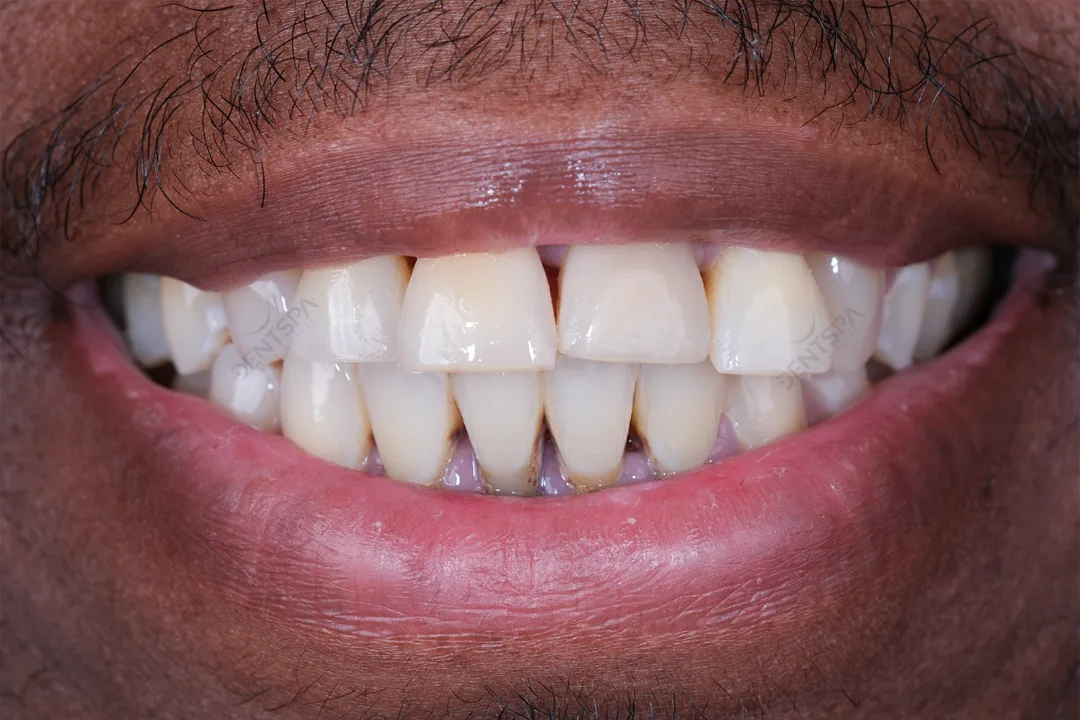
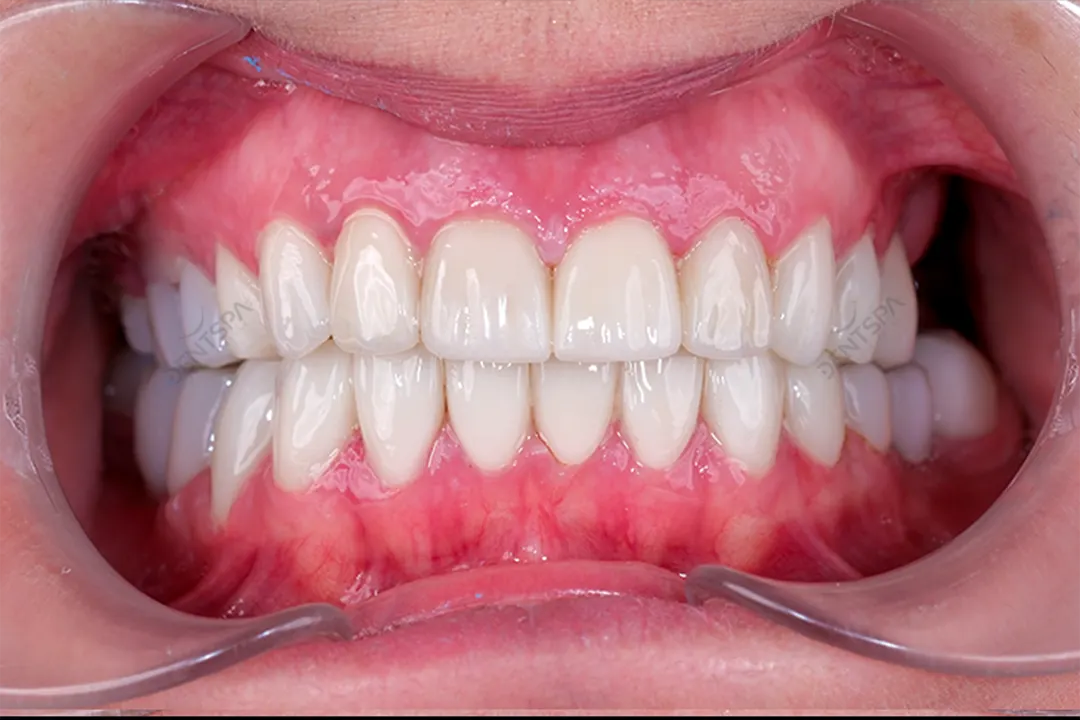
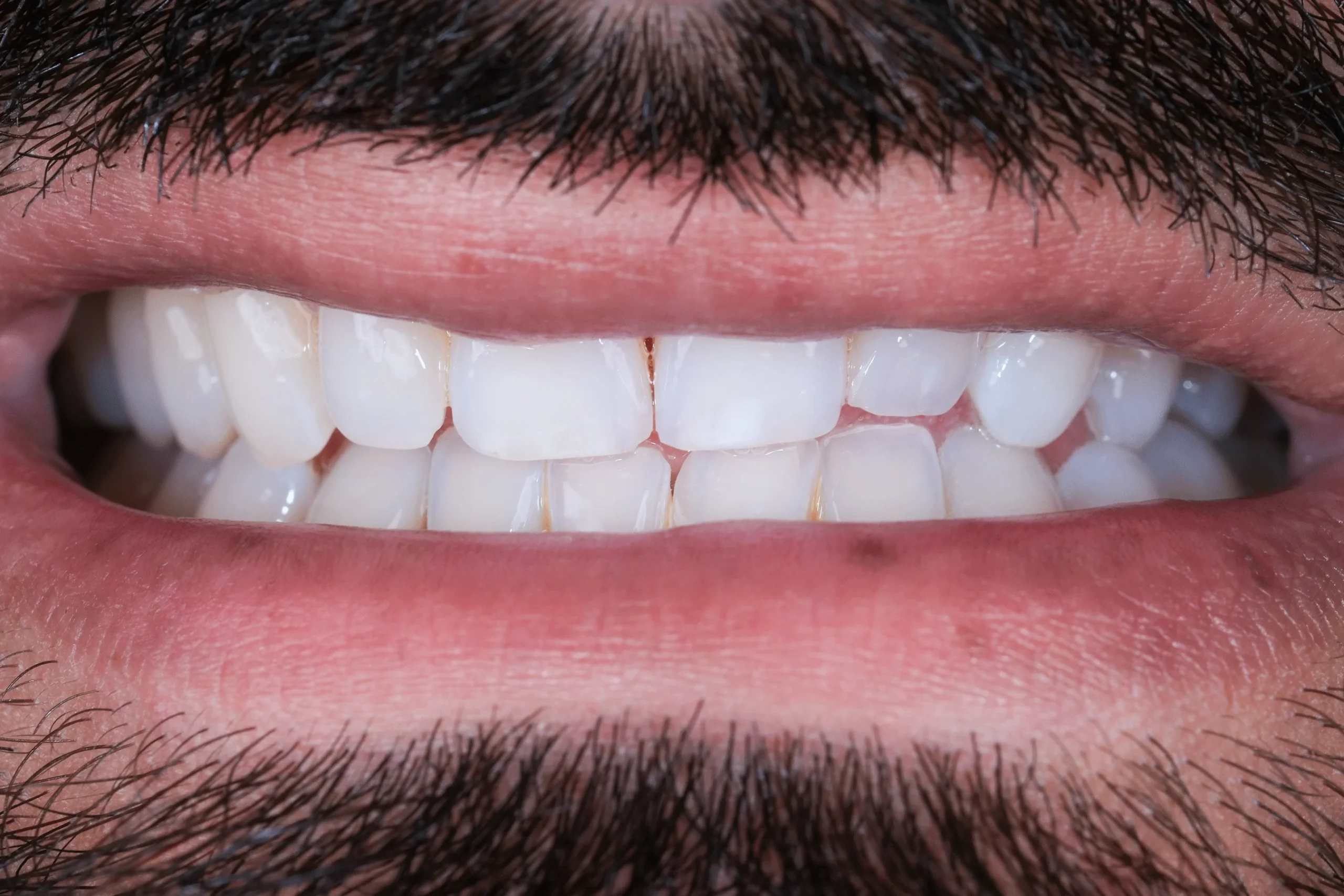
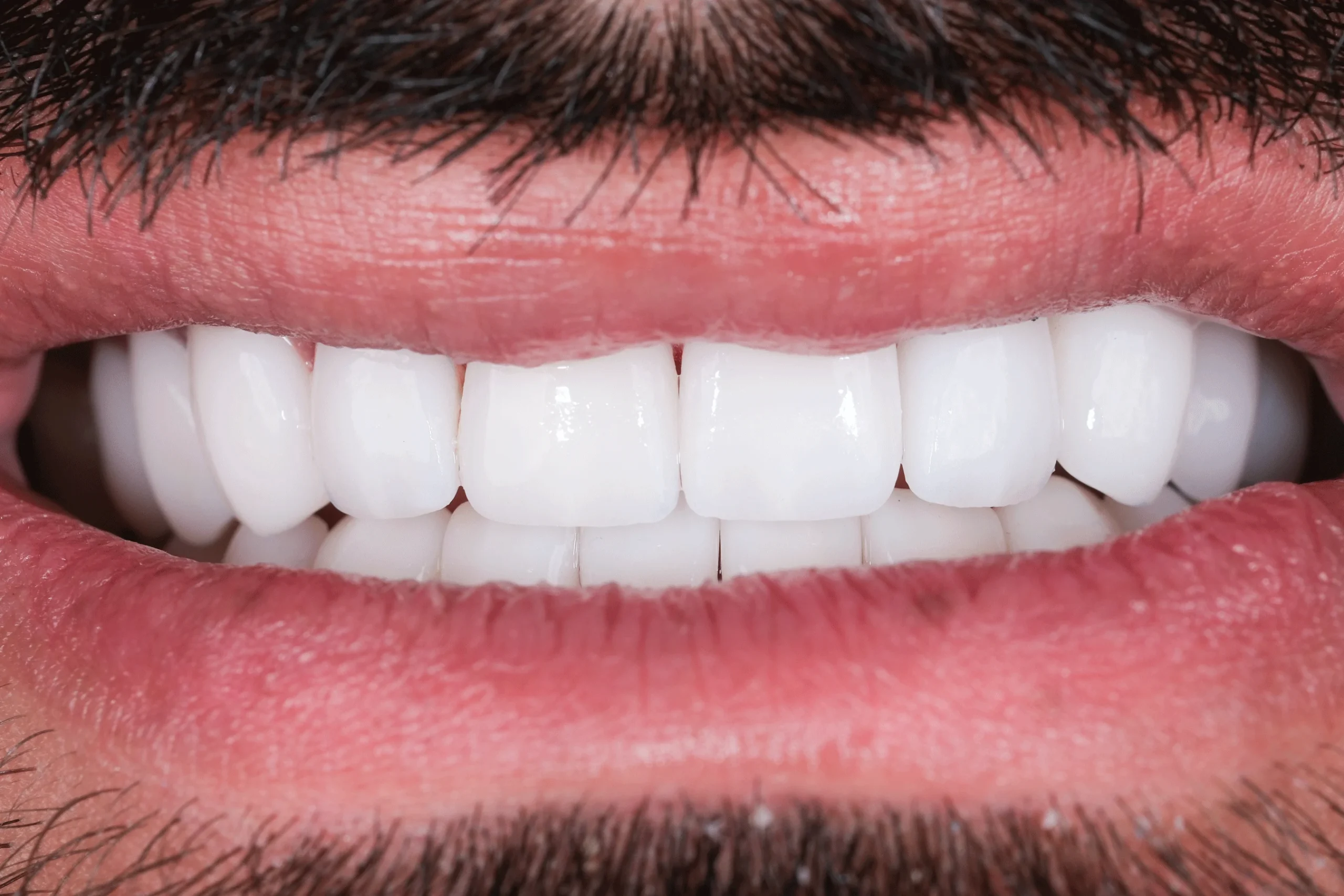
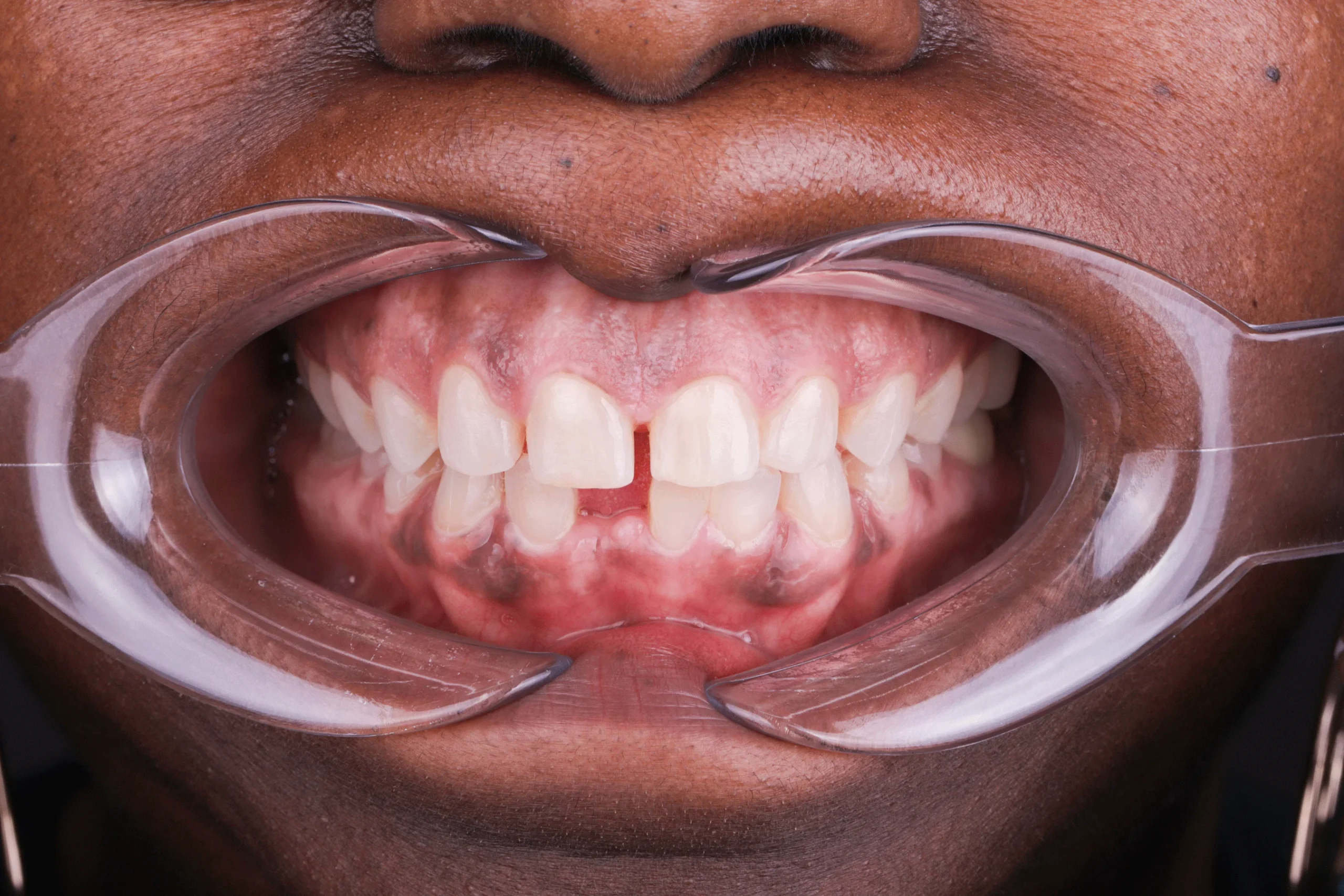
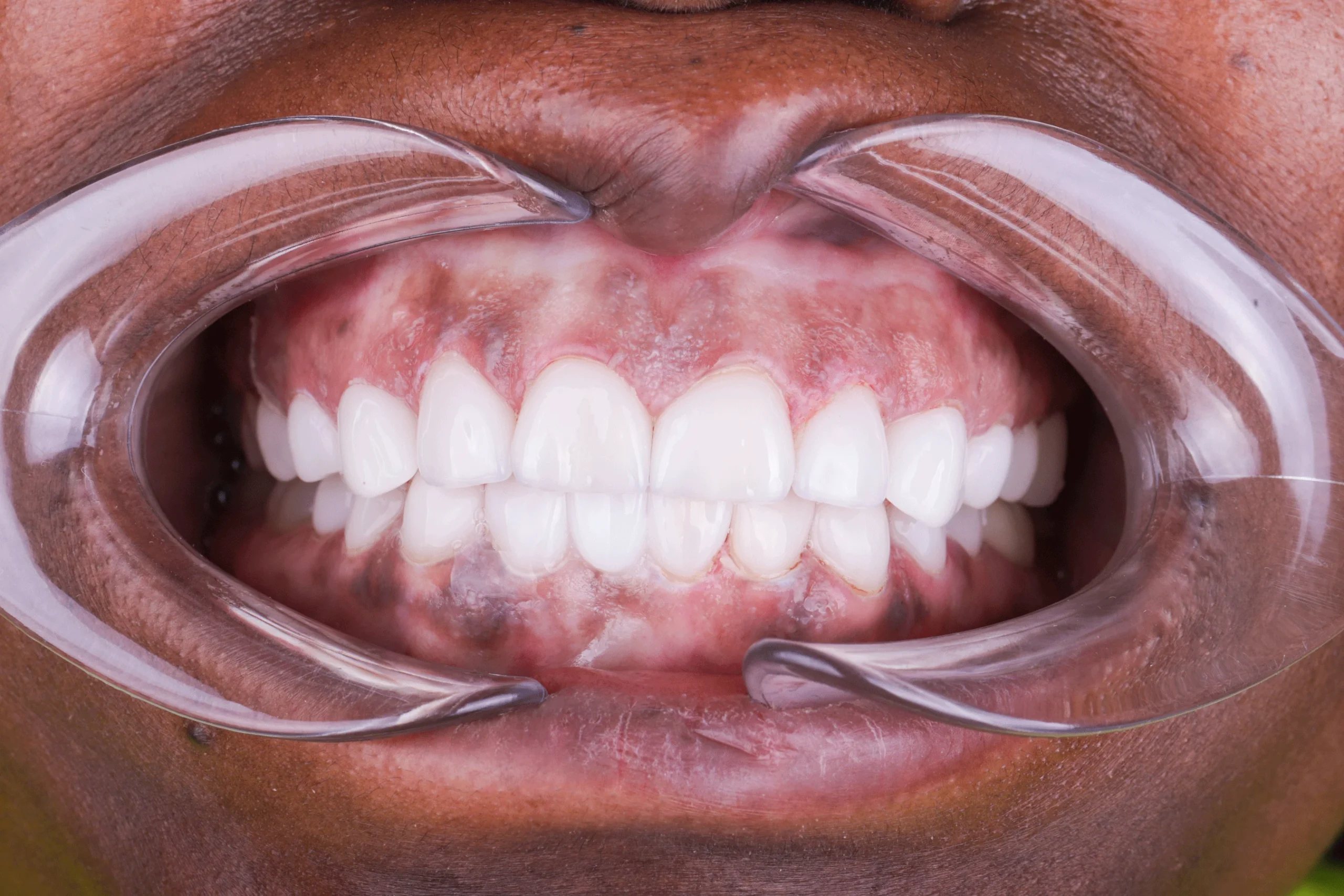
Real Dental Crown Results
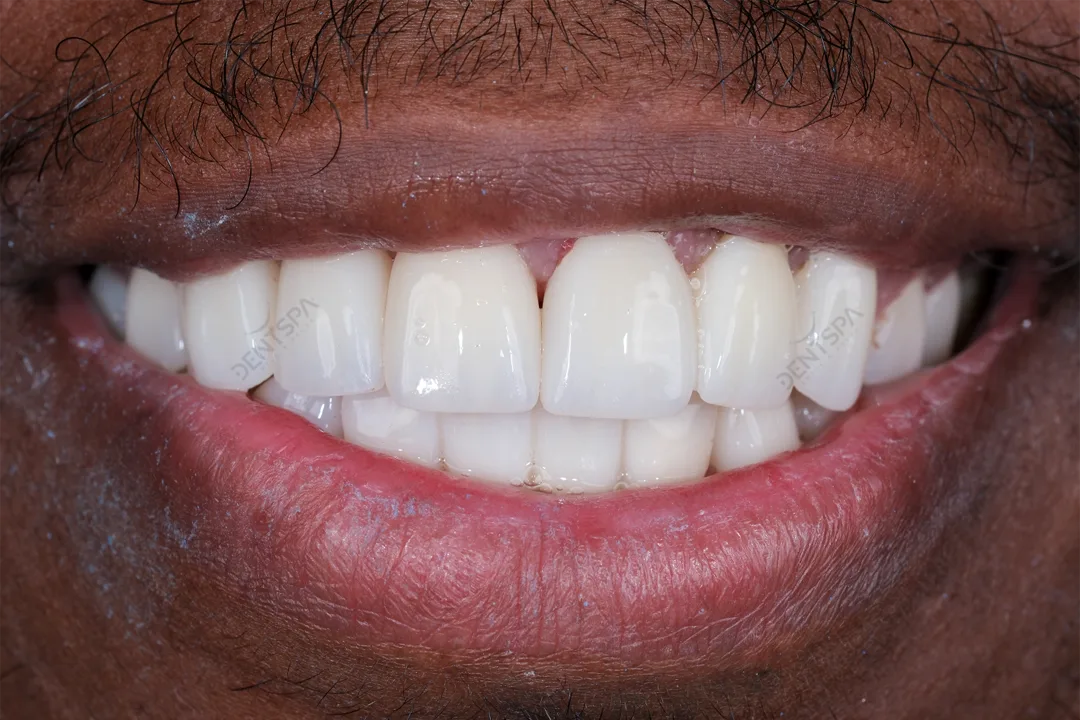
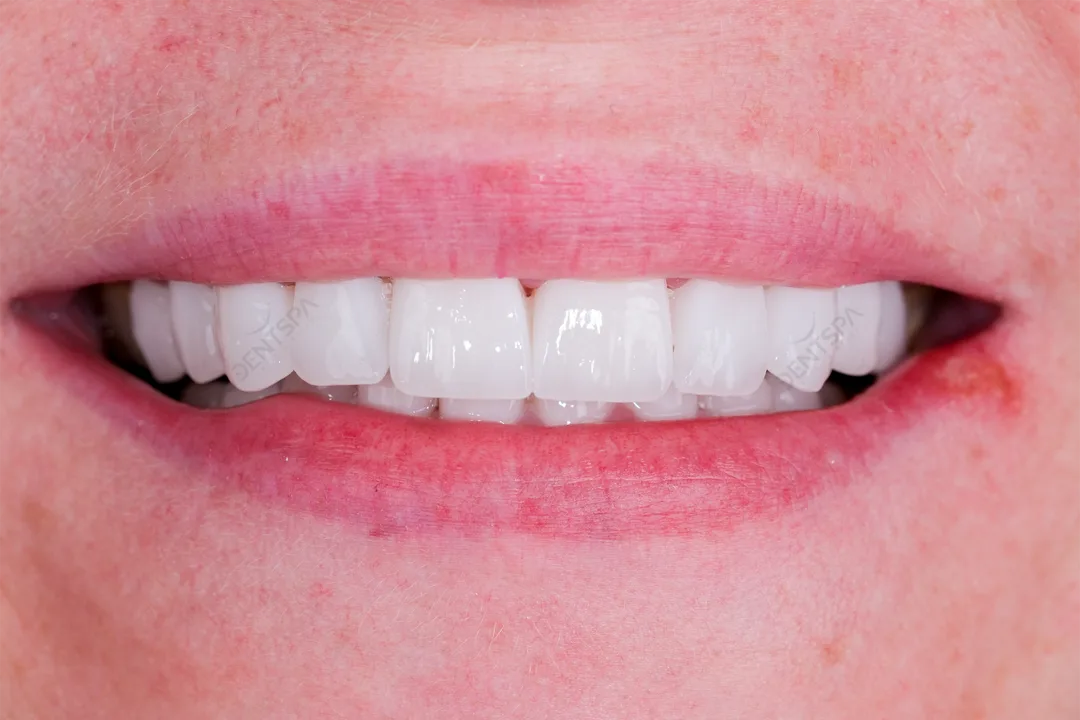
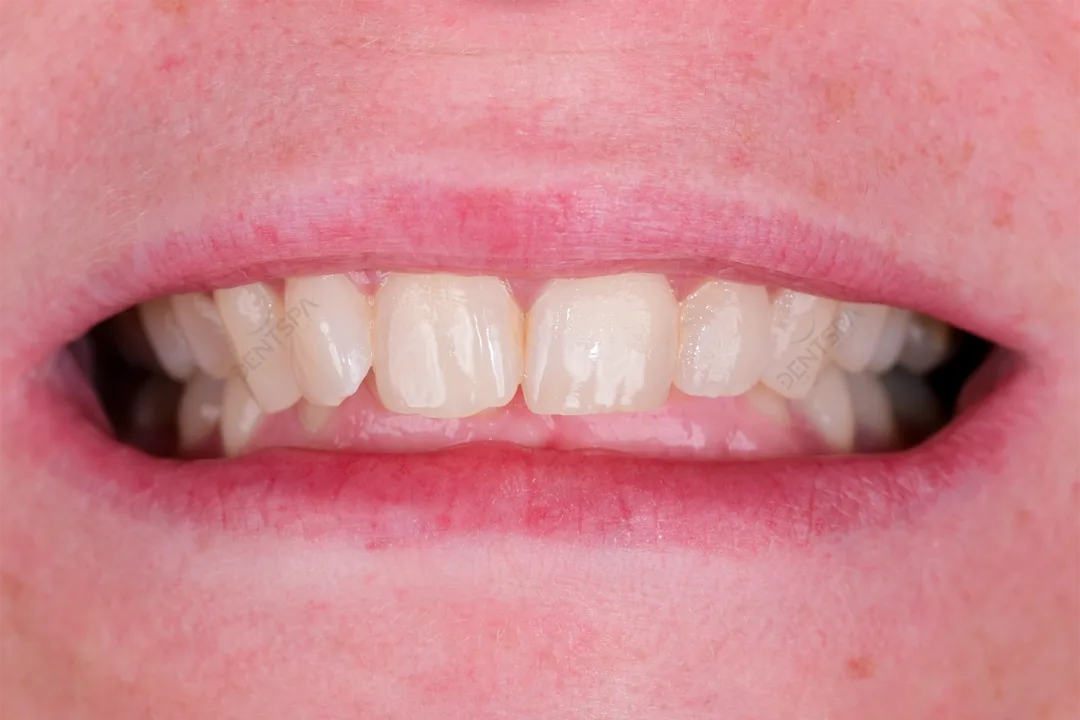
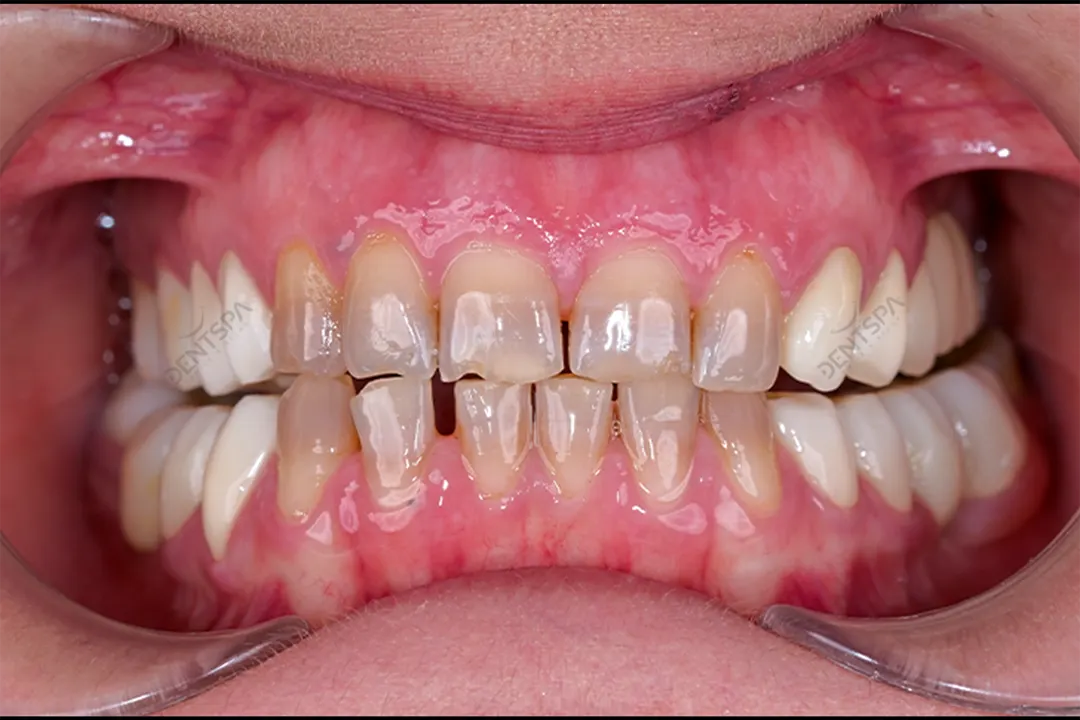
A look at real before-and-after zirconia and porcelain crown cases at DentSpa:
How Long Do Dental Crowns Last?
The best evidence here comes from a systematic review of 67 studies covering 4,663 metal-ceramic and 9,434 all-ceramic crowns on natural teeth. At five years, estimated survival was:1
| Crown type | 5-year survival |
|---|---|
| Leucite / lithium-disilicate glass ceramic | 96.6% |
| Densely sintered alumina | 96.0% |
| Metal-ceramic (PFM) | 94.7% |
| Glass-infiltrated alumina | 94.6% |
| Zirconia | 92.1% |
Two things in that data are worth knowing before you choose a material. First, all-ceramic options are not automatically better than metal-ceramic — lithium-disilicate came out slightly ahead, zirconia slightly behind. Second, position matters: the same review found zirconia and feldspathic crowns performed significantly less well in the back of the mouth than at the front.1
In everyday practice, a well-fitted crown commonly serves for a decade or more. What tends to end it early isn’t the material wearing out — it’s grinding at night, an imprecise fit at placement, or decay developing at the crown’s margin.
Getting a Dental Crown Abroad
If a $1,200+ quote for a single crown has you looking at alternatives, you’re not alone — “dental crown cost in Mexico” and “dental crown cost in Turkey” are both common searches among US patients. As a rough guide to what the market looks like:
| Zirconia crown, per tooth | United States | Mexico | Turkey |
|---|---|---|---|
| Typical range | $1,000 – $2,500 | $300 – $500 | $150 – $300 |
| Approximate saving vs. US | — | ~50–65% | ~70–85% |
These are approximate market ranges, not a quote. Your own cost depends on the number of teeth, the material and your findings, and is confirmed in writing after a free consultation.
The saving is real, and it doesn’t come from thinner ceramics or less work — it comes from local lab and practice costs. The materials are the same ones used in the US: at DentSpa the crowns are zirconia and E.max, as set out on the dental crowns page. The trade-off with Turkey is the length of the flight, which is why most patients plan the trip around a full case — crowns together with whitening or a full smile makeover — rather than travelling for a single tooth.
How to Judge a Clinic Before You Book
Travelling for treatment is a decision you make on evidence, not on a price list. These are the things you can verify yourself before you commit:
- Accreditation you can look up. DentSpa holds the Certification for Excellence in Medical Travel Patient Experience from Global Healthcare Accreditation, which assesses the parts of treatment abroad a clinical inspection doesn’t cover: information before you travel, care coordination, financial transparency and the handover of aftercare.2
- Independent recognition. The clinic was named best dental clinic in Europe in the odontology category at the European Awards in Medicine.
- Regulatory basics. Licensed by the Turkish Ministry of Health, certified to ISO 9001 and ISO 10002, and a member of the Turkish Dental Association.
- A written treatment plan before you fly, naming the material, the number of teeth and what is and isn’t included.
- Documented materials, so any dentist back home can see exactly what’s in your mouth.
- Real patient voices. Read the verified Trustpilot and Google reviews and see results on Instagram.
Thinking About It Abroad?
DentSpa is a European award-winning clinic in the Şişli district of Istanbul that has treated 50,000+ international patients. Every case starts with a free consultation and a written treatment plan before you travel, and aftercare is coordinated once you’re home. Quality isn’t reduced to reach a price: material, planning and execution follow the same standard whatever the size of the case.
Curious what your case would cost at DentSpa? Send DentSpa a few photos for a free, no-obligation quote and a personalized plan from our specialists. Book a free consultation or message us on WhatsApp.
Frequently asked questions
How much does a dental crown cost without insurance?
Why are dental crowns so expensive?
How long do dental crowns last?
Which crown material lasts longest?
Is a dental crown worth it?
What is the cheapest type of dental crown?
Does dental insurance cover crowns?
Can you get a cheaper dental crown abroad?
How do I check a clinic before booking treatment abroad?
Sources
- Sailer I, Makarov NA, Thoma DS, Zwahlen M, Pjetursson BE — All-ceramic or metal-ceramic tooth-supported fixed dental prostheses? A systematic review of the survival and complication rates. Part I: Single crowns. Dental Materials 2015;31(6):603–623.
- American Dental Association — MouthHealthy: Crowns
- Delta Dental — Understanding dental treatment costs and insurance coverage
- Global Healthcare Accreditation — DentSpa Strengthens Global Trust in Turkey’s Dental Services with GHA Certification, 16 July 2026















 70%
70%