Table of content
Table of content
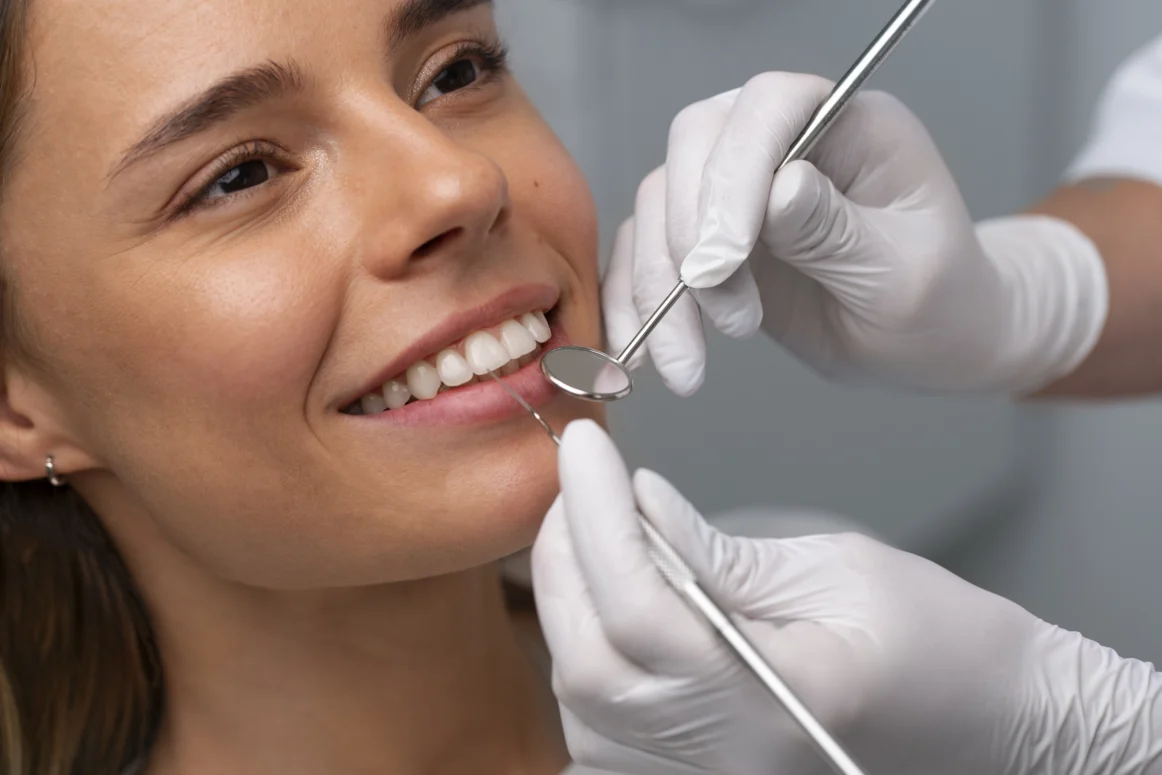
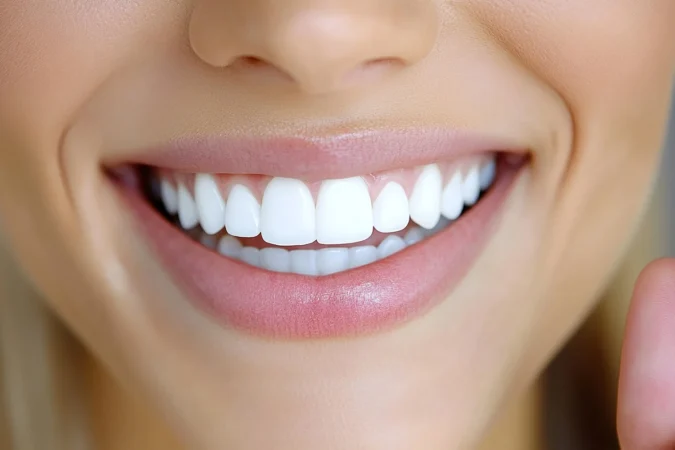
Composite bonding has quietly become one of the most popular cosmetic dental treatments — not because people want a completely new smile, but because they want to fix the small things they can’t unsee anymore. A chipped corner. Teeth that don’t line up quite right. A gap that keeps drawing the eye in photos.
As more people learn about it, the search often moves beyond local clinics. Many start looking into composite bonding in Turkey, especially in Istanbul, as an option that offers experienced dentists and more accessible pricing without rushing into something permanent.
For most patients, this isn’t about dramatic change. It’s about improving what’s already there, in a conservative way — without removing healthy enamel, and without feeling locked into a decision they can’t reverse.
What Composite Bonding Actually Does
Composite bonding uses tooth-coloured resin to reshape, repair, or refine the visible surface of teeth. It’s carefully layered and sculpted directly onto the tooth, then polished to blend naturally with the surrounding enamel.
It’s commonly used for:
- Small chips or worn edges
- Minor gaps between teeth
- Uneven tooth shapes or lengths
- Mild discoloration
One of the biggest reasons people choose composite bonding is that it’s usually additive, not subtractive. In most cases, healthy enamel doesn’t need to be removed.
That said, composite bonding isn’t a solution for everything. It’s not designed to correct severe misalignment, major bite problems, or extensive enamel loss. Knowing these limits early helps people avoid disappointment later.
Unsure if composite bonding is right for your teeth? A short online free consultation can help clarify whether bonding fits your case — or whether another option would make more sense before you plan anything further.
When Composite Bonding Is (and Isn’t) the Right Choice
Composite bonding may be suitable if:
- You want a conservative cosmetic improvement
- You prefer minimal enamel intervention
- You’re comfortable with occasional maintenance
It may not be ideal if:
- You want a permanent, maintenance-free solution
- You have strong bite forces or grinding habits
- Teeth are severely damaged or misaligned
This is why professional assessment matters more than online comparisons.
Composite Bonding vs Veneers: How People Really Decide
This is one of the most common crossroads patients face.
For patients who want a conservative solution that preserves natural tooth structure, it helps to understand that composite bonding uses the same tooth-coloured material applied in composite fillings — and learning how these techniques work can clarify what’s possible for their case.
Composite bonding:
- Is usually reversible
- Requires minimal or no enamel removal
- Costs less per tooth
- Can be repaired or adjusted
- Offer stronger colour stability
- Last longer overall
- Require enamel preparation
- Are not reversible
Many patients choose composite bonding as a starting point — especially if they want improvement without committing to a permanent change. Others eventually move to veneers later, once they’re sure about the look they want.
The right choice usually has less to do with trends and more to do with expectations, enamel health, and lifestyle.
How Composite Bonding Pricing Actually Works
What’s important to understand is that composite bonding isn’t a standardised procedure. Pricing depends on:
- How many teeth are involved
- The complexity of shaping and layering
- Whether the bonding is cosmetic, functional, or both
- The dentist’s experience and aesthetic planning
Some clinics advertise packages, but what matters more is whether each tooth is planned individually — not treated as part of a template.
In the UK and the US, composite bonding is often:
- Expensive per tooth (in the US, dental bonding is commonly quoted around $300–$600+ per tooth depending on the case; in the UK, many private clinics quote prices like from ~£250 per tooth)
- Spread across multiple visits
- Hard to schedule quickly, especially with popular clinicians
In Dubai/UAE, cosmetic bonding is also commonly priced per tooth, with clinics advertising figures around ~AED 999 per tooth (varies by case and provider).
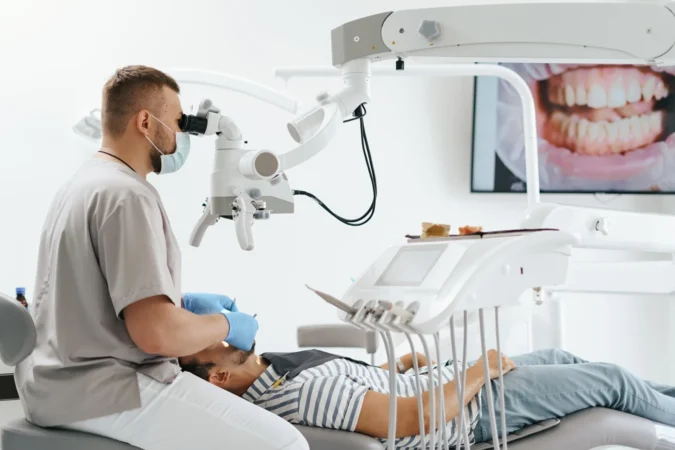
Because composite bonding is a skill-based, chairside treatment, it doesn’t rely heavily on dental labs. That makes it uniquely suited to short, well-planned treatment timelines — and that’s where travelling for care begins to make sense.
Why Turkey Makes Sense for Composite Bonding
Turkey has become a trusted destination for dental treatment for practical reasons, not trends.
Many clinics operate within hospital-level systems, follow internationally recognised safety and quality standards, and approach dentistry as healthcare — not cosmetic retail.
For international patients, this means:
- Access to experienced cosmetic dentists
- High clinical standards and modern facilities
- More accessible pricing without compromising materials or hygiene (usually 75% less cost than any clinic in the UK or the US)
- The ability to complete treatment efficiently during a short stay
For many, treatment doesn’t feel rushed. Patients often describe it as finally having the time and space to focus on their care — while enjoying the city, food, and a break from everyday pressures.
Why Choose DentSpa Turkey
Composite bonding may look simple, but its success depends on technique, restraint, and aesthetic judgement.
At DentSpa Turkey, composite bonding is never treated as a quick cosmetic fix. Planning starts with understanding the teeth, the bite, and the long-term goal — not just today’s appearance.
What patients value most is clarity.
- Experience you can trust
More than 50,000 patients visit DentSpa every year, many travelling specifically for conservative cosmetic treatments. - Specialist-led care
Treatments are led by PhD-level dentists, professors, and associate professors across restorative, cosmetic, and preventive dentistry. - Individual planning
Bonding is designed tooth by tooth — never copied across the smile. - Clear communication
From consultation to aftercare, patients are supported in their own language, with no pressure and no rushed decisions. - Ethical treatment recommendations
Composite bonding is not pushed when veneers or other treatments aren’t necessary.
Many patients choose DentSpa to combine professional dental care with a short visit to Turkey — completing treatment efficiently while enjoying a change of scenery.
A More Thoughtful Way to Decide
Composite bonding isn’t about perfect smiles or dramatic transformations. Most people choose it because they want something subtle — a small fix that makes their smile feel more like their own, not something overdone.
For many people in the UK and the US, choosing Turkey isn’t about saving money at any cost. It’s about finally feeling like they have space to think. Space to ask questions. Space to understand what’s being done and why.
At home, dental care often feels rushed. Appointments are short, options are presented quickly, and decisions feel pressured. Coming to Turkey changes that rhythm. You’re not squeezing treatment into a lunch break or between work meetings. You can actually pause, focus on your teeth, and make choices with a clear head and proper guidance.
And if you’re still unsure — that’s part of the process. Most people don’t arrive with a final decision. They arrive with questions. A conversation with an experienced dentist doesn’t lock you into treatment or force a plan. It simply replaces guessing with understanding.
For many patients, that moment of clarity — knowing what makes sense and what doesn’t — is the point where everything feels easier.
Schedule your free consultation now and take it from there.
Frequently asked questions
Is composite bonding right for everyone?
Honestly? No — and that’s not a bad thing.
Composite bonding works really well for certain situations. Small chips. Slight unevenness. Gaps that have always bothered you but aren’t severe. In those cases, it can be a very sensible option.
But it’s not meant to fix everything. If teeth are already very worn, under a lot of pressure from grinding, or structurally weak, bonding may not last the way people expect. That’s usually where disappointment comes from — not because bonding is bad, but because it was used in the wrong situation.
This is why dentists usually want to look first, not decide immediately. Sometimes bonding is perfect. Sometimes it’s better to wait, adjust expectations, or choose something else entirely. Knowing that upfront saves a lot of frustration later.
How long does composite bonding last?
For most patients, bonding stays in good shape for years. You don’t wake up one day with it suddenly “gone.” What’s more common is small wear over time — especially if you grind your teeth or are hard on them without realising it.
The upside is that bonding is easy to maintain. Small chips or changes can usually be fixed quickly, without replacing everything. That’s why many people like it as a first step — it’s flexible, not final.
Does composite bonding damage teeth?
This is a really common worry — and honestly, it makes sense to ask.
In most cases, composite bonding doesn’t damage your teeth at all. When it’s done properly, nothing is shaved down, drilled away, or permanently altered. The dentist is usually adding material to the tooth, not taking anything from it.
That’s actually why a lot of people feel comfortable starting with bonding. It’s a gentle option. You’re not committing to something irreversible.
Where things can go wrong isn’t the bonding itself — it’s how and why it’s done. If bonding is rushed, piled on too thick, or used on teeth that aren’t good candidates, it can feel bulky, chip easily, or just not age well. But that’s not the tooth being damaged — that’s the planning falling short.
When bonding is done thoughtfully, on the right teeth, and for the right reasons, it’s meant to work with your natural tooth — not against it. And that’s exactly how it should feel.
Is composite bonding cheaper than veneers?
Most of the time, yes. Composite bonding usually costs less per tooth, and that’s often what gets people curious about it in the first place.
But once the conversation starts, price tends to move to the background pretty quickly. Veneers are made to last longer and stay the same colour for years. Composite bonding is softer, more flexible, and easier to touch up if something chips or if your taste changes later on.
For many people, it’s not really a money decision. It’s more about comfort. Some like knowing they’re not making a permanent choice right away. Others would rather do something once and not think about it again for a long time.
That’s why this question rarely has a straight answer online. It usually becomes clearer after someone actually looks at your teeth and talks through what you want — not just what costs less.
How much is composite bonding in Turkey?
Most people start by looking for a number, but composite bonding doesn’t really work that way. Every smile is different. Some teeth need a small touch-up, others need more shaping and layering, and that changes the cost.
That’s why dentists usually avoid giving a fixed price without seeing your teeth first. Once there’s a clear idea of how many teeth are involved and what you’re hoping to achieve, the cost becomes much easier to understand — and there are no surprises.













 70%
70%